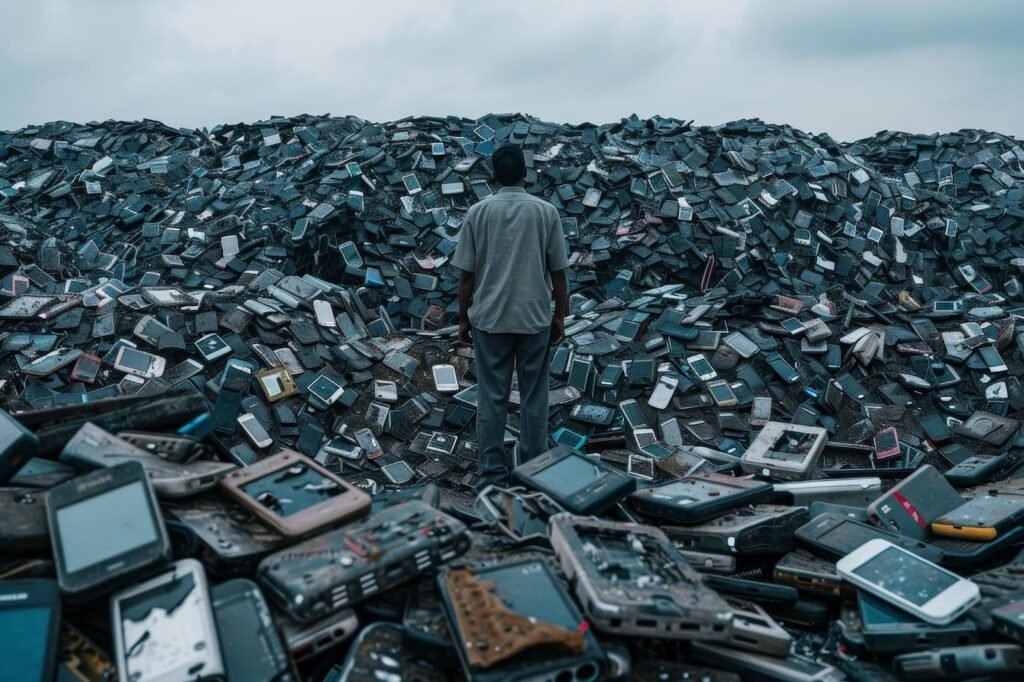
I often tell my clients and students that our relationship with technology shouldn’t end the moment a screen goes dark or a battery stops holding a charge. In my years working with sustainable electronics, I’ve seen a recurring pattern: we love the “new,” but we are collectively overwhelmed by the “old.”
We let outdated smartphones and tangled chargers pile up in “junk drawers” because we simply don’t know what else to do with them. But here is the reality I’ve learned through my research: those forgotten devices are essentially tiny, sophisticated treasure chests filled with gold, copper, and silver yet they are also packed with hazardous materials like lead and mercury that don’t belong in our soil.
When I see photos of massive e-waste landfills, I don’t just see “trash”; I see a failure of design and a gap in our education. I believe we all want to do the right thing for the environment, but the path to responsible disposal often feels like a maze of technical jargon and inaccessible recycling centers. My goal is to simplify these complex concepts and show you that “going green” with your electronics is not only possible but deeply rewarding. By shifting our mindset from “disposable” to “circular,” we can ensure that our technological progress doesn’t come at the expense of the planet we call home.
To dispose of electronic waste without harming the environment, focus on sustainable practices. Begin by identifying e-waste items such as old computers and smartphones. Prioritize recycling through certified programs; this guarantees hazardous materials are managed safely and valuable resources are recovered. Consider donating functional electronics to extend their lifespan and reduce landfill contributions. Participate in local recycling initiatives and follow manufacturer take-back programs. Additionally, choose durable devices and maintain them well to minimize future waste. Understanding these methods enhances responsible e-waste management while promoting environmental stewardship. Further insights await on optimizing your disposal approaches.
KEY TAKEAWAYS
- Prioritize recycling programs that safely handle hazardous materials and recover valuable resources from e-waste.
- Donate functional electronic devices to extend their lifespan and reduce landfill contributions.
- Utilize manufacturer take-back programs for responsible recycling and disposal of old electronics.
- Engage in local recycling initiatives and designated recycling days to properly dispose of e-waste.
- Choose durable and repairable devices, and practice regular maintenance to minimize e-waste generation.
UNDERSTANDING ELECTRONIC WASTE
Electronic waste, commonly referred to as e-waste, encompasses a wide range of discarded electrical and electronic devices, including computers, smartphones, televisions, and other consumer electronics. As technology advances at a rapid pace, the lifecycle of these devices has become increasingly relevant, necessitating a thorough understanding of e-waste management. The e-waste lifecycle consists of several stages: production, consumption, and disposal. Each stage presents opportunities and challenges that must be addressed to foster sustainable practices.
To promote sustainability, it is vital to adopt strategies that extend the useful life of electronic products and guarantee responsible disposal as part of effective electronic waste management that minimizes environmental impact and conserves valuable resources. This involves embracing repair and refurbishment initiatives, which can notably reduce the volume of e-waste generated. Additionally, businesses and consumers alike should prioritize recycling programs that facilitate the recovery of valuable materials, thereby minimizing the environmental impact and conserving resources.
Moreover, educating individuals about the implications of improper e-waste disposal is critical. Many consumers remain unaware of the potential hazards associated with discarding electronics irresponsibly. By advocating for awareness and responsible practices, we can empower individuals to make informed decisions that align with their desire for freedom, ultimately fostering a culture of sustainability.
Environmental Impact of E-Waste
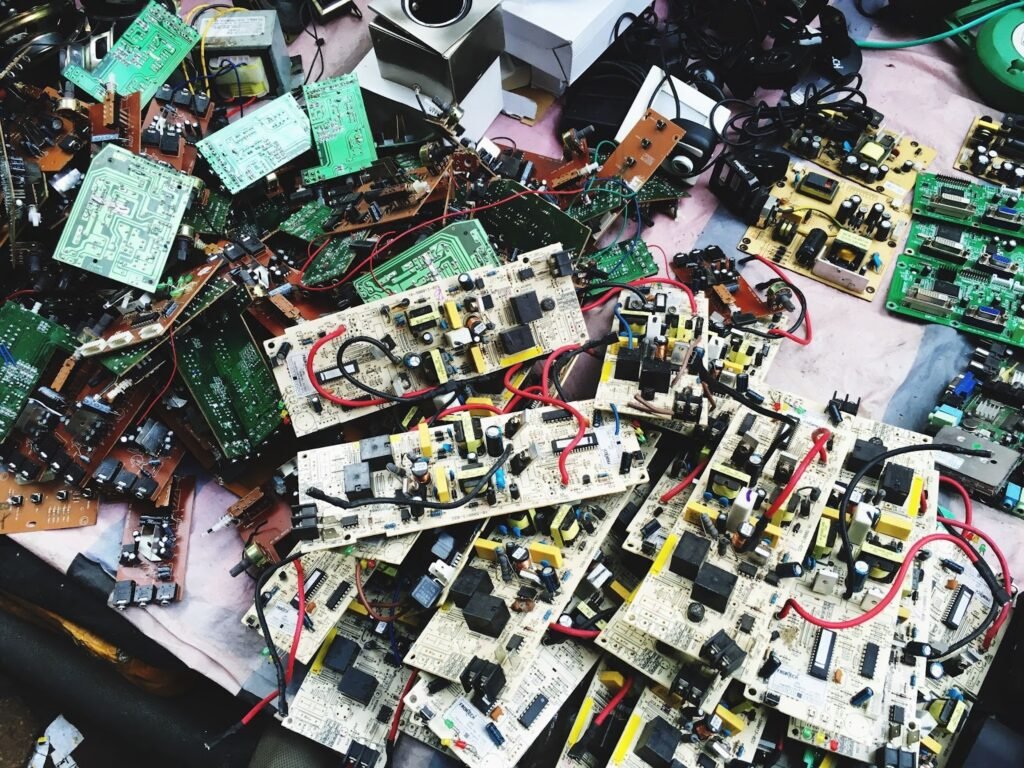
The environmental impact of electronic waste (e-waste) is significant, primarily due to the release of toxic materials such as heavy metals and hazardous substances during improper disposal. These pollutants can contaminate soil and water, posing serious health risks to ecosystems and human populations. Conversely, proper e-waste management offers substantial resource recovery benefits, allowing for the recycling of valuable materials and reducing the demand for virgin resources. This term applies to consumer and business electronic equipment that is near or at the end of its useful life. There is no clear definition for electronic waste (e-waste) at this time, but if you can plug it in to an electrical outlet or it contains circuit boards or chips, it is most likely e-waste. These products can contain heavy metals like cadmium, lead, copper, and chromium that can contaminate the environment.
Toxic Material Release
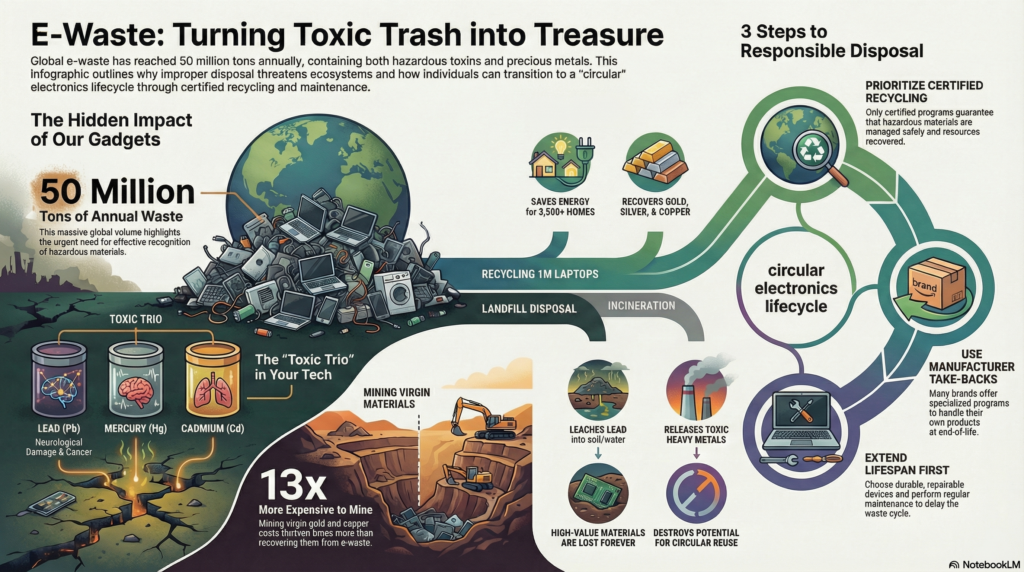
Improper disposal of electronic waste poses significant environmental risks, primarily through the release of toxic materials into ecosystems. E-waste contains hazardous substances such as lead, mercury, and cadmium, which can leach into soil and water systems, creating severe pollution challenges. The toxicity assessment of these materials is vital in understanding their long-term effects on human health and the environment. For instance, lead can cause neurological damage, particularly in children, while mercury exposure is linked to severe respiratory and neurological disorders.
To mitigate the impacts of e-waste, pollution prevention strategies must be prioritized. This includes encouraging responsible recycling practices and developing regulations that mandate proper disposal methods. The implementation of extended producer responsibility (EPR) programs can also aid in ensuring that manufacturers are accountable for their products at the end of life, incentivizing them to design less toxic and more easily recyclable devices.
Ultimately, addressing the toxic material release from e-waste requires a collective effort towards sustainable disposal practices. By fostering greater awareness and promoting effective waste management solutions, we can protect our ecosystems and public health from the detrimental effects of electronic waste.
Resource Recovery Benefits
According to the Environmental Protection Agency (EPA), however, recycling one million laptops saves the energy equivalent of the electricity used by more than 3500 US homes per year. This is particularly important because a study conducted in China showed that mining copper, gold, and aluminum is 13 times more expensive than the process of recycling them from old electronics
Recovering valuable resources from electronic waste presents significant environmental benefits that extend beyond mere waste reduction. The process of resource recovery involves extracting precious metals, plastics, and other materials from discarded electronics, thereby minimizing the need for virgin resource extraction. This not only conserves natural resources but also reduces the environmental impact associated with mining, which can lead to habitat destruction and pollution.
Moreover, the economic benefits of resource recovery are substantial. By recycling e-waste, businesses can lower production costs and create a circular economy where materials are reused rather than discarded. This approach fosters innovation in recycling technologies and promotes job creation in the green sector, aligning economic growth with sustainable practices.
Additionally, resource recovery mitigates the toxic risks associated with improper e-waste disposal, ensuring that hazardous substances do not leach into the environment. This dual focus on environmental protection and economic viability offers a compelling argument for adopting thorough e-waste recycling programs. Ultimately, prioritizing resource recovery not only addresses the critical issue of electronic waste but also paves the way for a more sustainable and economically sound future.
Identifying E-Waste Items
In my consulting work, I’ve noticed a fascinating, yet troubling, gap. Many people from university students in Baghdad to busy professionals in the Middle East are genuinely worried about the environment. They know e-waste is a problem, but they can’t tell you which part of their laptop is actually toxic. I’ve been there myself! Early in my career, even with a Master’s in Sustainable Electronics, I had to learn the hard way that just tossing a battery in a “recycling bin” isn’t enough if that bin isn’t managed by a certified professional who knows how to handle cadmium or chromium.
This is why I am such a strong advocate for Extended Producer Responsibility (EPR) and manufacturer take-back programs. Why should the burden of complex chemical disposal fall entirely on you? I always encourage my readers to look for the “green” trail. For instance, did you know that recycling a million laptops can save enough electricity to power over 3,500 homes for a year? Or that mining new copper is actually 13 times more expensive than recovering it from our old gadgets? When we choose to recycle or donate, we aren’t just “cleaning up”; we are participating in a high-stakes resource recovery mission.
Identifying electronic waste (e-waste) involves recognizing common categories such as outdated computers, smartphones, and televisions, all of which may contain hazardous materials. Understanding the presence of these materials is essential for ensuring safe disposal and effective recycling practices. Furthermore, distinguishing between recycling and disposal options can greatly mitigate environmental risks associated with improper e-waste management. Though “e-waste” is the commonly used term, EPA considers e-waste to be a subset of used electronics and recognizes the inherent value of these materials that can be reused, refurbished or recycled to minimize the actual waste that might end up in a landfill or improperly disposed in an unprotected dump site either in the US or abroad.
Common E-Waste Categories
Electronic waste, commonly referred to as e-waste, encompasses a wide range of discarded electrical and electronic devices that can pose considerable environmental hazards if not disposed of properly. Understanding the common categories of e-waste is essential for responsible disposal and recycling efforts.
Smartphones and wearables are among the most prevalent e-waste items, often discarded when consumers upgrade to newer models. Computer peripherals, including keyboards, mice, and monitors, also contribute notably to e-waste as businesses and individuals replace outdated equipment. Televisions and gaming consoles represent another major category, as technological advancements frequently render older models obsolete.
Kitchen appliances, such as microwaves and refrigerators, may also fall under e-waste when they reach the end of their functional life. Printers and audio equipment, though often overlooked, can contain hazardous components that require careful handling. Additionally, networking devices like routers and switches, along with batteries from various gadgets, pose specific disposal challenges due to their chemical contents.

RECOGNIZING HAZARDOUS MATERIALS
Approximately 50 million tons of electronic waste are generated globally each year, highlighting the urgent need for effective recognition of hazardous materials within these items. Proper material identification is essential in mitigating the environmental impact of e-waste. Many electronic devices contain hazardous components that can leach harmful substances into the environment if not disposed of correctly.
To foster awareness and responsibility, consider the following hazardous materials commonly found in e-waste:
- Lead: Found in circuit boards and cathode ray tubes, it poses significant health risks, particularly to children.
- Mercury: Present in flat-screen displays and batteries, it is highly toxic and can contaminate water sources.
- Cadmium: Used in batteries and some circuit boards, it is known for its carcinogenic properties and can cause severe damage to both the environment and human health.
Understanding these hazardous components enables individuals and organizations to make informed decisions regarding e-waste disposal. By recognizing and responsibly managing these materials, we can contribute to a safer, more sustainable future, free from the perils of improper electronic waste management.
Recycling Vs. Disposal Options
When considering the fate of discarded technology, it is essential to differentiate between recycling and disposal options for electronic waste. The choice between these two pathways can markedly impact both environmental health and resource conservation. Recycling methods, such as mechanical dismantling and hydrometallurgical processes, recover valuable materials like metals and plastics, reducing the demand for virgin resources. This not only conserves energy but also minimizes landfill contributions.
Conversely, disposal options often involve sending e-waste to landfills or incineration, practices that are increasingly scrutinized due to their detrimental effects on ecosystems and human health. Disposal regulations vary by region, yet many jurisdictions mandate proper e-waste handling to mitigate hazardous material release.
Identifying e-waste items is vital in making informed decisions; devices such as old computers, smartphones, and televisions frequently contain toxic substances that require careful management. Ultimately, prioritizing recycling over disposal aligns with a sustainable ethos, empowering individuals to contribute to a circular economy while adhering to applicable disposal regulations. By understanding these distinctions, consumers can make choices that liberate them from environmental guilt and foster a healthier planet.
Safe Disposal Methods
To guarantee the responsible management of electronic waste, implementing safe disposal methods is essential. The rapid advancement of technology has resulted in a significant increase in electronic devices, leading to a pressing need for effective disposal strategies. Adopting these methods not only mitigates environmental harm but also empowers individuals to make conscientious choices regarding their electronic waste.
Here are some safe disposal methods to take into account:
- Composting electronics: While traditional composting is reserved for organic materials, certain non-toxic components of electronics can be safely composted when handled correctly, minimizing landfill contributions.
- Eco-friendly alternatives: Explore options such as donating functioning devices or using take-back programs offered by manufacturers. These alternatives not only extend the lifespan of electronics but also foster a culture of sustainability.
- Professional e-waste disposal services: Engaging certified e-waste recyclers ensures that hazardous materials are handled properly, reducing the risk of pollution and promoting responsible recycling practices.
Recycling Programs and Resources
Recycling programs and resources play an essential role in the effective management of electronic waste, offering structured solutions for the responsible disposal and recovery of valuable materials. As the volume of e-waste continues to escalate, driven by rapid technological advancements, it is imperative for individuals and organizations to engage with local recycling initiatives that guarantee environmentally sound practices.
Local recycling facilities serve as critical hubs where electronic devices can be collected, dismantled, and processed. These programs not only mitigate the environmental impact of discarded electronics but also promote the recovery of precious metals and components, thereby reducing the demand for virgin materials. Participation in local recycling initiatives not only prevents hazardous substances from entering the environment but also strengthens e-waste recycling efforts by ensuring that discarded electronics are processed through certified and environmentally responsible channels.
Many municipalities have established designated recycling days or events, allowing community members to responsibly dispose of their outdated electronics. These events often feature partnerships with certified e-waste recyclers who adhere to stringent environmental regulations. Additionally, educational resources available through local governments and environmental organizations help raise awareness about the importance of proper e-waste disposal.
In addition to local efforts, national and international e-waste initiatives exist to guarantee thorough solutions are available. These initiatives often provide guidelines for safe disposal, recycling practices, and the promotion of sustainable technology design. By engaging with these recycling programs and resources, individuals can contribute remarkably to reducing the harmful impacts of electronic waste on the environment, securing a healthier planet for future generations.
Donating Functional Devices
In an era marked by rapid technological advancements and an increasing reliance on electronic devices, donating functional devices emerges as a highly effective alternative to disposal. As we endeavor to minimize electronic waste, donating not only extends the device lifespan but also addresses pressing community needs. This practice not only benefits those who receive the devices but also fosters a sense of responsibility and environmental stewardship among donors.
By donating functional electronics, individuals and organizations can contribute to a more sustainable future. The impact of such actions can be profound, as they create opportunities for those who may not have access to essential technology. Consider the following emotional appeals:
- Empower individuals by providing them with tools to succeed in education or employment.
- Reduce the environmental burden by keeping devices out of landfills and extending their utility.
- Foster community connections, as donated devices can benefit local schools, charities, or families in need.
When contemplating the donation of electronic devices, it is essential to ascertain that they are in proper working condition. Organizations specializing in technology reuse can facilitate the donation process, ensuring that devices are refurbished and redistributed effectively. By choosing to donate, individuals can play an active role in addressing both environmental challenges and community needs, ultimately promoting a culture of sustainability. Embracing this approach not only preserves the value of functional devices but also signifies a commitment to a more equitable and environmentally-friendly society.
Tips for Reducing E-Waste
How can individuals effectively reduce electronic waste in their daily lives? The answer lies in adopting a series of conscious habits and embracing e-waste innovation. First and foremost, consumers should prioritize purchasing durable and repairable devices. By selecting products designed for longevity rather than obsolescence, individuals contribute to a circular economy that minimizes waste.
In addition, individuals can engage in regular maintenance of their electronic devices. Simple practices such as cleaning, updating software, and replacing batteries can extend the lifespan of gadgets, markedly reducing the need for replacements. When it comes time for an upgrade, consider trade-in programs offered by manufacturers that focus on sustainable technology. These initiatives not only guarantee responsible disposal but also provide credit toward new purchases.
Furthermore, embracing a minimalist approach to technology usage and choosing eco friendly products can greatly decrease e-waste production by reducing unnecessary consumption and encouraging more sustainable purchasing habits. Evaluate which devices are truly essential and resist the urge to acquire the latest models without necessity. Educating oneself about the environmental impact of e-waste fosters informed decision-making.
Lastly, participating in local e-waste recycling events and supporting businesses that prioritize eco-friendly practices can amplify individual efforts. By taking these actionable steps, individuals can champion a sustainable lifestyle while markedly mitigating their electronic waste footprint. In doing so, they contribute to a healthier environment and pave the way for future innovations in sustainable technology.
RELATED STUDIES ABOUT ELECTRONIC WASTE DISPOSAL
In the intricate dance between technological advancement and environmental preservation, responsible electronic waste disposal emerges as an essential step toward sustainability. Each discarded device represents not just a functional failure but a potential ecological hazard, with toxins lurking within. By embracing safe disposal methods, recycling programs, and donation avenues, individuals and communities can transform electronic waste from a looming threat into a resource for renewal. Ultimately, a collective commitment to reducing e-waste can illuminate the path toward a healthier planet.
Evaluation Of Heavy Metal Contamination In Landfills From E-Waste Disposal And Its Potential As A Pollution Source For Surface Water Bodies
This study investigates heavy metal contamination from electronic waste (e-waste) disposal at the Illovo DSW landfill in Durban, South Africa, and assesses its potential impact on the nearby Lovu River. The research evaluates the migration of heavy metals into soils, sediments, and water, highlighting the landfill as a significant pollution source.
Key Findings
- Heavy Metal Concentrations:
- Soil samples within the landfill showed the highest concentrations of heavy metals, often exceeding those found in the leachate.
- Key contaminants included Cadmium (Cd), Chromium (Cr), Lead (Pb), and Zinc (Zn), with Cd levels at the western boundary (0.1202 mg/L) surpassing global comparative studies.
- Arsenic (As), Copper (Cu), Nickel (Ni), and Selenium (Se) were also detected, though at generally lower levels.
- Spatial Distribution:
- Soil acted as a reservoir for heavy metals due to adsorption and accumulation.
- Water samples showed significantly lower concentrations, indicating dilution and sedimentation as mitigating factors.
- Sediments at the landfill exit point and downstream exhibited elevated metal levels, acting as secondary contamination sinks.
- Comparison with Standards:
- Several metals (e.g., Cd, Cr, Pb) exceeded World Health Organization (WHO) and South African water quality guidelines in soil and sediment samples.
- Water concentrations remained below most regulatory thresholds but indicated ongoing leachate migration.
- Source Identification:
- The landfill, receiving mixed waste including e-waste (batteries, chargers, electronics), is a primary source of heavy metal pollution.
- Elevated levels of Cd, Cr, Pb, and Zn are strongly linked to e-waste components.
Methodology
- Sampling: 23 triplicate samples (6 water, 10 soil, 6 sediment, 1 leachate) collected in October 2023 and February 2024.
- Analysis: Inductively Coupled Plasma Atomic Emission Spectrometry (ICP-AES) for 8 heavy metals: As, Cd, Cr, Cu, Ni, Pb, Se, Zn.
- Sites: Landfill (east, west, north, south), leachate exit point, and upstream/downstream river locations.
Environmental and Health Implications
- Soil contamination poses long-term risks to ecosystems, agriculture, and groundwater.
- Sediment accumulation leads to bioaccumulation in aquatic food chains.
- Leachate migration threatens the Lovu River, impacting water quality, aquatic life, and human health.
- Chronic exposure to metals like As, Cd, Pb, and Cr is linked to cancer, neurological disorders, kidney damage, and developmental issues.
Recommendations
- E-waste Management: Establish dedicated recycling facilities to divert e-waste from landfills.
- Landfill Engineering: Upgrade liners (e.g., enhanced geomembranes) to prevent leachate seepage.
- Policy & Monitoring: Enforce strict waste segregation, improve landfill regulations, and implement continuous environmental monitoring.
- Remediation: Consider phytoremediation and other cleanup technologies for contaminated soils and sediments.
Limitations
- Temporal scope limited to two sampling periods; seasonal variations may not be fully captured.
- Random sampling due to accessibility constraints may affect spatial representation.
- Other pollution sources (e.g., agricultural/industrial runoff) were not assessed.
Conclusion
The Illovo DSW landfill is a significant point source of heavy metal contamination, with soils acting as long-term reservoirs and sediments as secondary sinks. While water dilution reduces immediate aquatic risk, persistent leachate migration poses ongoing threats to the Lovu River ecosystem and public health. Urgent improvements in e-waste management, landfill design, and regulatory enforcement are essential to mitigate contamination and protect environmental and human health.
| REFERENCE: Joy Tuoyo Adu, Frank Ikechukwu Aneke, Evaluation of heavy metal contamination in landfills from e-waste disposal and its potential as a pollution source for surface water bodies, Results in Engineering, Volume 25, 2025, 104431, ISSN 2590-1230, https://doi.org/10.1016/j.rineng.2025.104431. (https://www.sciencedirect.com/science/article/pii/S2590123025005109) |
Electronic Waste Recycling Intention, Behavior and Environmental Benefits: Evidence from the Middle East
This study investigates the factors influencing individuals’ intentions and behaviors related to electronic waste (e-waste) recycling in Bahrain, and their subsequent environmental benefits. Conducted with 603 Bahraini households, the research integrates the Theory of Planned Behavior (TPB) and Behavioral Reasoning Theory (BRT) to develop and test a comprehensive model of e-waste recycling engagement.
Key Findings:
- Drivers of Recycling Intention (EWRI): The study confirms that five key factors significantly and positively influence an individual’s intention to recycle e-waste:
- Attitude towards recycling.
- Perceived Behavioral Control (perceived ease or difficulty of recycling).
- Subjective Norms (social pressure from peers, family, and community).
- Recycling Habits.
- Recycling Convenience (accessibility and ease of disposal facilities).
- Intention Leads to Action: A strong e-waste recycling intention (EWRI) directly predicts actual e-waste recycling behavior (EWRB), supporting the core premise of the Theory of Planned Behavior.
- Behavior Yields Environmental Benefits: Engaging in e-waste recycling behavior (EWRB) is a significant precursor to achieving perceived environmental benefits, such as reduced pollution, toxicity, and landfill waste.
- Enhanced Intention-Behavior Link: The relationship between intention and behavior is strengthened by two moderating factors:
- Environmental Concern (personal valuation of environmental protection).
- Environmental Awareness (knowledge of the consequences of e-waste recycling).
- The study uniquely identifies a three-way interaction, showing that higher levels of environmental awareness amplify the positive moderating effect of environmental concern on the intention-behavior relationship.
- Mediating Role of Behavior: The study establishes that EWRB fully mediates the relationship between recycling intention and environmental benefits. This means that intentions only lead to environmental benefits when they are translated into actual recycling actions.
Theoretical Contribution: The research extends existing theory by successfully integrating TPB and BRT, and by introducing habits and convenience as critical, empirically validated predictors of recycling intention within this combined framework. The novel test of a double moderation effect (environmental concern and awareness) also provides a significant advancement.
Practical Implications & Recommendations:
- For Policymakers & Governments: Enhance recycling infrastructure for greater convenience, launch public awareness campaigns on e-waste impacts, and implement stricter regulations and Extended Producer Responsibility (EPR) policies.
- For Institutions & Businesses: Establish convenient collection points, incentivize pro-environmental behavior among employees/students, and develop corporate e-waste management programs.
- For the Middle East Region: Incorporate e-waste education into school curricula, foster public-private partnerships for recycling solutions, and promote circular economy initiatives like refurbishment and reuse.
Conclusion: The study underscores that promoting e-waste recycling requires a multi-faceted strategy targeting attitudes, social norms, perceived control, habits, and, crucially, the convenience of recycling facilities. Furthermore, boosting public environmental concern and awareness is key to converting recycling intentions into tangible actions that yield environmental benefits. The findings offer an evidence-based roadmap for stakeholders in Bahrain and similar contexts to develop effective e-waste management systems and progress toward sustainability.
| REFERENCE: Nishad Nawaz, Shamshad Ahamed Shaik, Satyanarayana Parayitam, Vincent Dutot, Gajendran Vijayakumar, Electronic waste recycling intention, behavior and environmental benefits: Evidence from Middle East, Cleaner Waste Systems, Volume 11, 2025, 100320, ISSN 2772-9125, https://doi.org/10.1016/j.clwas.2025.100320. (https://www.sciencedirect.com/science/article/pii/S2772912525001186) |
Assessing University Students’ Awareness and Perceptions of Electronic Waste Hazards in Baghdad, Iraq
This study evaluates the awareness, disposal practices, and perceptions of electronic waste (e-waste) among 136 students at the University of Technology in Baghdad, Iraq. As a first empirical dataset on e-waste awareness in Iraq, the research addresses a significant knowledge gap, focusing on the behavioral and social dimensions of e-waste management in a developing context.
Key Findings:
- Significant Awareness Gap: A substantial portion (42%) of surveyed students had no prior knowledge of what constitutes e-waste, indicating a major baseline awareness deficit.
- High Concern but Low Practical Knowledge: While a large majority (86%) recognized e-waste as a significant environmental problem, practical knowledge was lacking. Notably, only 17% could identify the hazardous components in their own devices, despite 64% being able to name toxic substances like lead and mercury in the abstract.
- Inadequate Disposal Practices: A concerning 41% of students admitted to improper disposal of e-waste. The primary reason cited (Fig. 9) was a lack of knowledge about proper disposal locations.
- Device Retention is Common: The most common “disposal” method reported was keeping old devices (45%), followed by selling them (23%). This highlights a storage problem and a lack of accessible disposal infrastructure.
- Openness to Solutions and Shared Responsibility:
- Policy Support: An overwhelming 85% of students believed a change in e-waste management policy is needed.
- Willingness to Pay: A novel finding for the Iraqi context was that 51% expressed willingness to pay a fee for proper e-waste disposal.
- Preferred Solutions: Students identified public education (38%) and making recycling easier for manufacturers (28%) as the top solutions, favoring awareness-building over strict enforcement.
- Key Sources of E-Waste: The most common types of e-waste identified in the city were lamps (37%) and heating/cooling equipment (36%), reflecting local consumption patterns.
Unique Contributions:
This study reveals three critical, context-specific insights rarely documented in prior regional research:
- The demonstrated willingness to pay for proper disposal suggests a potential foundation for implementing fee-based collection systems.
- The stark gap between abstract awareness of hazards and practical knowledge of device components points to a need for targeted, applied education.
- The strong student preference for education over enforcement as a primary strategy indicates that awareness campaigns may be more effective than punitive measures in the Iraqi context.
Policy Implications & Recommendations:
The findings underscore an urgent need for a coordinated national strategy in Iraq:
- Develop a National E-Waste Framework: Establish clear regulations for disposal, collection, and recycling, incorporating Extended Producer Responsibility (EPR).
- Launch Targeted Awareness Campaigns: Implement educational programs focused on practical disposal knowledge, integrated into university curricula and public media.
- Build Accessible Infrastructure: Create a formal network of convenient e-waste collection points to address the primary barrier to proper disposal.
- Promote Green Design & Technology: Encourage the import and manufacture of longer-lasting, environmentally friendly electronic devices.
Conclusion:
The research reveals that while Iraqi university students are concerned about e-waste, significant gaps in knowledge and infrastructure hinder proper disposal. The results provide a crucial evidence base for policymakers, highlighting that effective management in Iraq must combine public education, infrastructure development, and supportive regulations, with an emphasis on building awareness as a foundational step. Future research should expand the sample to broader demographics and evaluate the impact of pilot interventions.
| REFERENCE: Abbas J. Kadhem, Muayad N. Muslim, Abdulazeez A. Hamad, Baqer Haider Fadhil, Hind Yahya Abduljaleel, Assessing university students’ awareness and perceptions of electronic waste hazards in Baghdad, Iraq, Cleaner Waste Systems, Volume 11, 2025, 100309, ISSN 2772-9125, https://doi.org/10.1016/j.clwas.2025.100309. (https://www.sciencedirect.com/science/article/pii/S2772912525001071) |
CONCLUSION
As we wrap up, I want to leave you with a thought that helps me stay motivated: sustainability isn’t about being perfect; it’s about being intentional. In my own life, I try to practice what I preach by choosing durable, repairable devices whenever possible. I know the allure of the latest upgrade is strong, but before you hit “buy,” ask yourself if a simple battery replacement or a software update could give your current device a second life.
Ultimately, the problem of electronic waste is a global challenge that requires a local, personal response. Whether you are participating in a local community recycling day or donating a functional computer to a school in need, you are making a tangible difference. I truly believe that through education and accessible infrastructure, we can turn the tide.
We have the technology to save the planet now we just need the collective will to manage our technology responsibly. Let’s commit to making our digital footprint a little lighter, one gadget at a time. Thank you for being part of this journey toward a greener, more sustainable future! Stay curious, stay green, and I’ll see you at the next DIY workshop!