
Sustainable living is essential for mitigating human impact on biodiversity. By adopting eco-friendly practices, individuals can reduce habitat destruction and species extinction. Key strategies include minimizing waste, supporting local ecosystems, and making informed food choices. Shifting to plant-based diets and local sourcing lowers carbon footprints while enrichening biodiversity. Additionally, embracing public transportation and engaging in community restoration projects fosters environmental stewardship. These actions not only benefit ecosystems but also empower individuals to advocate for a sustainable future. Understanding the intricacies of these practices reveals even more strategies for making a significant impact on our planet’s health.
KEY TAKEAWAYS
- Adopting sustainable living practices, such as reducing waste and eco-friendly choices, significantly lowers individual carbon footprints and preserves biodiversity.
- Supporting local ecosystems through community gardens and habitat restoration enhances biodiversity and promotes ecological resilience.
- Choosing organic, seasonal, and plant-based foods reduces greenhouse gas emissions and minimizes food waste, benefiting both the environment and biodiversity.
- Utilizing eco-friendly transportation options, like public transit and cycling, decreases reliance on fossil fuels and reduces urban pollution.
- Engaging in community initiatives fosters collaboration towards sustainable living and empowers individuals to make a positive impact on local biodiversity.
UNDERSTANDING BIODIVERSITY LOSS
Biodiversity loss, a pressing environmental crisis, refers to the significant decline in the variety of life on Earth, encompassing species extinction, habitat destruction, and genetic erosion. This phenomenon is particularly acute in biodiversity hotspots—regions that are both rich in endemic species and under severe threat from human activities. Habitat destruction, driven by urbanization, agriculture, and industrialization, annihilates the ecosystems that sustain diverse life forms, leading to irreversible species extinction.
The impact of climate change further exacerbates these challenges, altering habitats and creating conditions inhospitable to many species. Additionally, the introduction of invasive species disrupts local ecosystems, outcompeting native species and diminishing genetic diversity. Pollution, ranging from plastic waste to chemical runoff, compounds these threats, impairing ecosystem services that are vital for human well-being and highlighting the importance of biodiversity in sustaining clean water, pollination, and climate regulation.
To combat biodiversity loss, effective conservation strategies must be implemented. These include establishing protected areas, restoring degraded habitats, and enforcing wildlife protection laws. Furthermore, fostering public awareness and encouraging sustainable practices are essential to mitigate human impact. By recognizing the intrinsic value of biodiversity and the essential ecosystem services it provides, society can advocate for policies that prioritize ecological health. The preservation of biodiversity is not merely an environmental issue; it is a fundamental human right that guarantees future generations can thrive in a world rich with natural diversity. Engaging in concerted efforts to protect our planet’s biodiversity is vital for creating a sustainable and equitable future.
The Role of Sustainable Living
Biodiversity change poses a critical threat to human societies from local to global scales, highlighting the urgent need for understanding the complex relationship between human pressures and their effects on ecosystems. Human pressures, broadly classified in five main types—land-use change, resource exploitation, pollution, climate change and invasive species6—can enhance or reduce species diversity locally. Crucially, by impacting biodiversity at local scales, effects of human pressures can similarly impact biodiversity patterns among communities at broader spatial scales. This includes shifts in species composition among biological communities across a region, as well as increases and decreases in similarity between communities (homogenization and differentiation, respectively).
Sustainable living plays an essential role in preserving biodiversity by promoting eco-friendly lifestyle choices that reduce environmental impact. By minimizing waste practices and adopting renewable energy sources, individuals can markedly decrease their carbon footprint and support the health of ecosystems. These conscious decisions not only benefit the planet but also foster a more sustainable future for generations to come.
Eco-Friendly Lifestyle Choices
In today’s world, making eco-friendly lifestyle choices has become crucial for fostering a healthier planet and preserving its rich biodiversity. Individuals have the power to greatly reduce their ecological footprint by opting for green product alternatives and embracing sustainable fashion. These choices not only reflect personal values but also encourage a broader societal shift towards environmental responsibility.
Green product alternatives encompass a wide range of items, from biodegradable cleaning supplies to renewable energy sources. By prioritizing these choices, consumers can support companies committed to sustainability, increasing demand for eco friendly products that reduce environmental harm and promote biodiversity protection. Similarly, sustainable fashion seeks to challenge the fast fashion industry by promoting ethically produced garments that minimize waste and utilize eco-conscious materials. This shift not only mitigates the adverse impacts of clothing production on biodiversity but also empowers consumers to make informed decisions that align with their desire for freedom and individuality.
Ultimately, embracing eco-friendly lifestyle choices is a crucial step towards combating climate change and preserving the diverse ecosystems that sustain life on Earth. By integrating these practices into our daily lives, we contribute to a more sustainable future, ensuring that both people and nature thrive.
Minimizing Waste Practices
Approximately one-third of all food produced globally is wasted, highlighting a significant area where sustainable living can make a profound impact. To combat this, adopting zero waste strategies is essential. Mindful purchasing encourages consumers to choose eco-conscious brands that prioritize sustainability, thereby reducing packaging waste and fostering product longevity.
Additionally, composting benefits cannot be overstated; it transforms organic waste into valuable fertilizer, enhancing soil health while diverting waste from landfills. Implementing waste audits helps individuals and businesses identify waste patterns, enabling targeted resource conservation efforts.
Moreover, the concept of a circular economy promotes the reuse and recycling of materials, further minimizing waste. By exploring packaging alternatives, we can reduce single-use plastics and their harmful environmental effects. Digital decluttering is another effective practice, allowing individuals to manage their digital footprint while minimizing the consumption of physical resources.
Together, these practices not only help reduce biodiversity loss but also empower individuals to take control of their environmental impact, fostering a sense of freedom through responsible living. Embracing these initiatives is not merely an option; it is a necessity for a sustainable future.
Renewable Energy Adoption
The shift to renewable energy sources is a significant component of sustainable living, addressing both climate change and biodiversity preservation. As we seek to reduce our ecological footprint, the adoption of solar energy, wind power, and hydropower benefits emerges as a clear path forward. These green technologies not only mitigate greenhouse gas emissions but also foster the resilience of ecosystems by reducing habitat destruction associated with fossil fuel extraction.
Energy efficiency plays an essential role in this shift, enabling communities to harness renewable incentives while minimizing overall consumption. Innovations in energy storage, such as advanced battery systems, make it feasible to leverage intermittent sources like solar and wind effectively. Additionally, community solar initiatives empower individuals to invest collectively in clean energy, enhancing local autonomy and energy independence.
Furthermore, geothermal heating and biomass energy provide additional avenues for sustainable energy production, ensuring a diversified energy portfolio. By embracing these renewable options, we can pave the way for a future where human freedom thrives in harmony with nature, ultimately safeguarding biodiversity for generations to come. Shifting to renewable energy is not just an environmental imperative; it is a fundamental aspect of a liberated and sustainable lifestyle.
Reducing Waste and Consumption
Reducing waste and consumption is essential for fostering sustainable living and protecting biodiversity. Embracing minimalism and mindful consumption encourages individuals to prioritize quality over quantity, while recycling and upcycling practices greatly extend the lifecycle of materials, thereby minimizing landfill contributions. These strategies not only reduce environmental impact but also promote a more conscious and responsible approach to resource use.
There is no doubt that human civilization has had a negative impact on biodiversity, particularly since the industrial revolution. Overfishing and hunting, the destruction of habitats through agriculture and urban sprawl, the use of pesticides and herbicides, and the release of other toxic compounds into the environment have all taken their toll, particularly on vertebrates. The World Conservation Union (IUCN; Gland, Switzerland) now includes more than 16,000 entries in its Red List of Threatened Species: 5,624 vertebrates, 2,101 invertebrates and 8,390 plants (IUCN, 2006). The number of documented extinctions since 1500 AD is now 784 species and the IUCN estimates that extinction rates are now 50 to 500 times higher than previous rates calculated from the fossil record (Baillie et al, 2004).

MINIMALISM AND MINDFUL CONSUMPTION
A growing number of individuals are embracing minimalism and mindful consumption as effective strategies to combat waste and environmental degradation. By prioritizing conscious purchasing and intentional decluttering, people can considerably reduce their ecological footprints and foster a more sustainable lifestyle.
Consider the following key practices:
- Conscious Purchasing: Opting for high-quality, sustainable products that serve multiple purposes reduces the need for frequent replacements and minimizes waste.
- Intentional Decluttering: Regularly evaluating personal belongings to eliminate excess items not only creates a more organized space but also encourages a mindset focused on value rather than accumulation.
- Mindful Consumption: Evaluating needs versus wants leads to more thoughtful decisions, ensuring that each purchase contributes positively to both the individual and the environment.
These practices promote a sense of freedom by liberating individuals from the burdens of excess and consumerism while nurturing a deeper connection to the world around them. By adopting minimalism and mindful consumption, we can collectively preserve biodiversity and foster a healthier planet for future generations.
Recycling and Upcycling Practices
Recycling and upcycling practices serve as essential components in the quest for sustainable living, markedly mitigating waste and consumption in our daily lives. The recycling benefits extend beyond mere waste reduction; they foster environmental awareness and enhance resource conservation, ensuring that valuable materials remain in circulation rather than ending up in landfills. By adopting upcycling techniques, individuals can engage in creative reuse, transforming discarded items into functional or artistic pieces, thereby reducing the demand for new products made from unsustainable materials.
Community workshops focused on recycling and upcycling can serve as powerful platforms for education and engagement, inspiring participants to embrace these practices and raising awareness about the threats to biodiversity in their local environments. Such initiatives not only cultivate skills but also strengthen local networks committed to sustainability. By utilizing sustainable materials in our upcycling projects, we further promote a circular economy, where resources are continuously repurposed, minimizing environmental impact.
Incorporating recycling and upcycling into our routines is not merely an act of conscientiousness but a declaration of freedom—freedom from consumerism and its associated waste. Ultimately, these practices empower individuals and communities to contribute meaningfully to biodiversity conservation and a healthier planet.
Supporting Local Ecosystems
Supporting local ecosystems is vital for maintaining biodiversity and promoting ecological resilience. By focusing on the preservation and enhancement of native species and their habitats, we can foster a thriving environment that supports both wildlife and human communities. It is imperative to engage in deliberate practices that contribute to ecological balance, particularly in areas experiencing the pressures of urbanization and invasive species.
Here are three impactful ways to support local ecosystems:
- Community Gardens: These spaces not only provide fresh produce but also serve as sanctuaries for urban wildlife, enhancing local biodiversity. They allow community members to engage with nature while promoting native plant species that sustain local fauna.
- Habitat Restoration Projects: Participating in or supporting initiatives that restore degraded habitats can greatly bolster biodiversity hotspots. These efforts often involve removing invasive species and reintroducing native plants, thereby revitalizing ecosystems.
- Local Farming: Supporting local agriculture contributes to sustainable practices that reduce the carbon footprint associated with food transportation. Additionally, local farmers often prioritize ecological methods that protect ecosystem services essential for a balanced environment.
Engaging in these conservation efforts not only nurtures our surroundings but also empowers individuals to make a lasting difference. By fostering local ecosystems, we enhance the overall health of our environment and guarantee a sustainable future for generations to come.
Sustainable Food Choices
Sustainable food choices play a critical role in addressing the environmental challenges we face today, including climate change and resource depletion. By adopting practices such as organic farming and regenerative agriculture, we can enhance soil health, increase biodiversity, and reduce the reliance on synthetic inputs that harm ecosystems. Shifting to plant-based diets has been shown to considerably lower greenhouse gas emissions while promoting health, thereby serving a dual purpose that aligns with ethical eating principles.
Embracing seasonal eating and local sourcing reduces the carbon footprint associated with food transportation, fostering community resilience and supporting local economies. Engaging in urban gardening and applying permaculture principles allows individuals to reconnect with their food sources, promote biodiversity, and utilize available space efficiently. These methods not only contribute to food security but also create habitats for various species.
Moreover, addressing food waste is imperative; approximately one-third of food produced globally is wasted, exacerbating resource depletion and emissions. Implementing strategies to minimize waste can lead to more sustainable consumption patterns. Supporting sustainable seafood initiatives guarantees that marine ecosystems are preserved and that overfishing is curtailed, aligning with the broader goals of biodiversity conservation.
Eco-Friendly Transportation Options
The shift towards eco-friendly transportation options is essential for reducing our carbon footprint and promoting healthier urban environments. As cities grapple with climate change and pollution, adopting sustainable transportation methods becomes vital. Here are three key eco-friendly options:
- Public Transportation: Expanding public transportation systems can greatly reduce the number of vehicles on the road, thereby cutting greenhouse gas emissions. Efficient, accessible buses and trains enhance urban walkability and promote transportation equity, allowing more individuals to partake in sustainable commuting.
- Cycling Infrastructure: Investing in cycling infrastructure not only encourages healthier lifestyles but also decreases reliance on fossil fuels. Dedicated bike lanes and secure parking facilities can make cycling a safe and attractive choice for short commutes, fostering a culture of sustainability.
- Electric Vehicles (EVs): Shifting to electric vehicles powered by alternative fuels is a pivotal step in minimizing pollution. As charging networks expand and battery technology improves, EVs offer a cleaner alternative for those who must drive. Carpooling programs and ride-sharing services can further minimize environmental impact by reducing the number of single-occupancy vehicles.
Incorporating telecommuting benefits into workplace policies can also lessen commuting needs, contributing to sustainable logistics. By embracing these eco-friendly transportation options, we can liberate ourselves from traditional practices that harm the planet, ultimately leading to more resilient, vibrant communities.
Engaging in Community Initiatives
Humanity impacts the planet’s biodiversity in multiple ways, both deliberate and accidental. The biggest threat to biodiversity to date has been the way humans have reshaped natural habitats to make way for farmland, or to obtain natural resources, but as climate change worsens it will have a growing impact on ecosystems. Engaging in community initiatives plays an essential role in fostering biodiversity and promoting sustainable living practices. By participating in local projects, individuals not only contribute to the preservation of natural habitats but also cultivate a sense of belonging and responsibility towards their environment. Community gardens, for instance, serve as crucial spaces for people to grow organic food, while simultaneously supporting local wildlife through diverse plantings.
Moreover, these initiatives often include wildlife conservation efforts, which aim to protect endangered species and restore ecosystems. The synergy between community involvement and environmental stewardship can lead to significant long-term benefits for both people and nature.
The following table illustrates various community initiatives and their impact on biodiversity:
| Initiative Type | Key Benefits | Examples |
| Community Gardens | Enhances food security and local flora | Urban farms, cooperative gardens |
| Wildlife Conservation | Protects species and habitats | Habitat restoration projects |
| Environmental Education | Raises awareness and fosters stewardship | Workshops, school programs |
| Clean-Up Drives | Reduces litter and pollution in ecosystems | Riverbank clean-ups, park beautification |
| Tree Planting Events | Increases urban greenery and biodiversity | Community tree planting days |
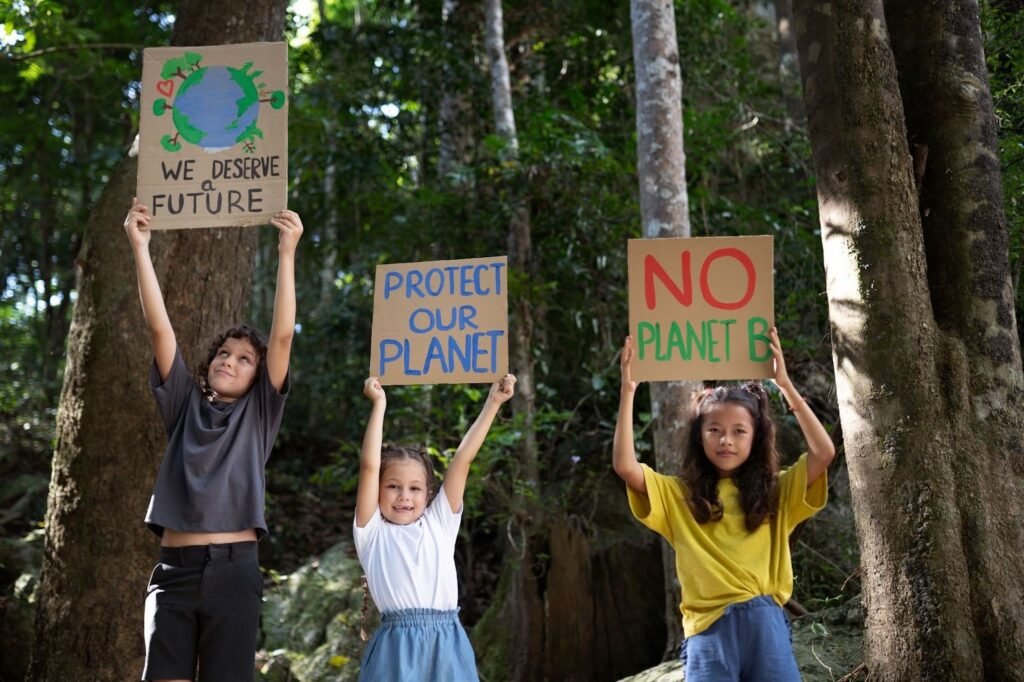
RELATED STUDIES ABOUT HUMAN IMPACT ON BIODIVERSITY
To sum up, reducing human impact on biodiversity requires a multifaceted approach rooted in sustainable living practices. Just as a single drop of water creates ripples across a pond, individual actions can collectively foster significant ecological change. Research indicates that adopting sustainable diets can decrease individual carbon footprints by up to 50%. By prioritizing waste reduction, supporting local ecosystems, and engaging in community initiatives, society can safeguard biodiversity for future generations, ensuring a thriving planet for all forms of life.
Cumulative and Component Impacts of the Human Footprint on Remotely Sensed Biodiversity Indicators Using Dissimilarity to High Integrity Reference States
Objective:
This study developed and tested a data-driven remote sensing framework to assess ecological integrity in forests at a regional scale. The approach quantifies deviations from high-integrity reference conditions using structural and functional indicators, and evaluates how different anthropogenic pressures influence forest integrity. The method was applied to Vancouver Island, British Columbia, using the long-protected Strathcona Park as a reference state.
Methods:
- Reference State: Strathcona Park (established 1911) served as the high-integrity benchmark, with pixels filtered to exclude recent disturbances and human pressures.
- Remote Sensing Indicators:
- Structure: Canopy height, canopy cover, structural complexity, and aboveground biomass (30m resolution, derived from lidar and Landsat).
- Function: Dynamic Habitat Indices (DHIs) summarizing annual energy availability and seasonality from Landsat NDVI.
- Matching Technique: Coarsened exact matching (CEM) was used to compare forests across similar environmental conditions (topography, climate) to control for biases in protected area placement.
- Dissimilarity Metric: Sigma dissimilarity (Mahalanobis distance) calculated to measure deviation from the reference state in structural, functional, and combined dimensions.
- Anthropogenic Pressures: Evaluated using the Canadian Human Footprint dataset, including cumulative pressure and individual components (built environments, forestry, population density, roads).
- Statistical Analysis: ANOVA and Tukey HSD tests assessed differences in dissimilarity across pressure classes.
Key Findings:
- Structural Integrity Declines Under Human Pressure:
- High cumulative anthropogenic pressure significantly increased structural dissimilarity (from 0.79 to 1.61, p < 0.001) and combined structural-functional dissimilarity.
- Individual pressures from built environments, forestry/harvesting, and population density also increased structural dissimilarity.
- Roads did not significantly affect structural dissimilarity, suggesting their impact is more on connectivity than stand-level structure.
- Functional Integrity Is Resilient to Pressure:
- Functional dissimilarity (based on energy availability) showed high spatial variability but was not significantly influenced by any anthropogenic pressures.
- This suggests forest productivity and seasonality are less sensitive to human disturbance in temperate, high-canopy systems like Vancouver Island.
- Mapping Ecological Integrity:
- The framework produced spatially explicit maps of ecological dissimilarity, identifying areas of high and low integrity relative to the reference state.
- Regions with high human pressure (e.g., harvested areas near Lake Cowichan) showed elevated structural dissimilarity, while protected areas (e.g., Elk Falls Provincial Park) showed lower dissimilarity.
Implications for Conservation:
- The method provides a scalable, transferable tool for identifying high-integrity forests and prioritizing areas for protection (high-integrity, low-pressure areas) and restoration (low-integrity, low-pressure areas).
- Supports Kunming-Montreal Global Biodiversity Framework (GBF) targets by enabling spatially explicit assessments of ecosystem integrity, essential for the “30×30” goal (protecting 30% of ecosystems by 2030).
- Highlights the need to monitor structural attributes (canopy height, complexity) as key indicators of anthropogenic impact, while functional metrics may require complementary indicators in dense forests.
Strengths & Limitations:
- Strengths: Accounts for environmental variability, uses open-access remote sensing data, and avoids threshold-based assumptions by using relative dissimilarity.
- Limitations: Reference state dependency; functional saturation in dense canopies may mask human impacts; requires high-quality protected area analogs.
Conclusion:
This study presents a novel, remote sensing-based framework to quantify forest ecological integrity by measuring dissimilarity to high-integrity reference states. The approach reveals that human pressures degrade structural integrity but leave functional metrics unchanged in temperate forests. By enabling large-scale integrity mapping, the method supports evidence-based conservation planning and progress toward global biodiversity targets.
| REFERENCE: Evan R. Muise, Nicholas C. Coops, Christopher Mulverhill, Txomin Hermosilla, A. Cole Burton, Stephen S. Ban, Cumulative and component impacts of the human footprint on remotely sensed biodiversity indicators using dissimilarity to high integrity reference states, International Journal of Applied Earth Observation and Geoinformation, Volume 144, 2025, 104899, ISSN 1569-8432, https://doi.org/10.1016/j.jag.2025.104899. (https://www.sciencedirect.com/science/article/pii/S1569843225005461) |
Unveiling Human Impacts On Global Key Biodiversity Areas: Assessing Disturbance And Fragmentation To Inform Conservation Strategies
This study provides a comprehensive global assessment of human disturbance and habitat fragmentation within terrestrial Key Biodiversity Areas (KBAs), which are recognized as the most critical sites for species and ecosystem persistence worldwide. The research analyzes the intensity and spatial patterns of human pressure, quantifies resulting habitat degradation, and proposes targeted conservation strategies to address the findings.
Key Findings:
- Widespread Human Disturbance:
- Global KBAs face severe human pressure, with an average Human Footprint Index (HFI) of 12.3 and an average disturbance rate of 62%.
- About 89% of KBAs have an HFI > 4 (indicating significant human modification), and 67% have an HFI > 8.
- Europe shows the highest average disturbance rate (81%), while Oceania and South America have the lowest (36–40%).
- Severe Habitat Fragmentation:
- Human activities have caused an average 70% reduction in habitat size across KBAs compared to their natural state.
- Habitat connectivity has also declined significantly: physical connectivity decreased by 20% and spatial contiguity by 32% on average.
- Less than half of KBAs maintain well-connected habitats.
- Inadequate Protection Coverage:
- Only one-fifth of KBAs are fully protected by designated protected areas.
- 29% of KBAs remain entirely unprotected, with many concentrated in North America, Central Asia, and southeastern South America.
- Even within highly protected KBAs, significant human disturbance and fragmentation persist.
- Conservation Priority Classification:
- Based on levels of human disturbance and habitat fragmentation, KBAs were classified into four types:
- High disturbance, low fragmentation – require intensity regulation of human activities.
- Low disturbance, high fragmentation – need spatial planning of human activities.
- High disturbance, high fragmentation – require both intensity regulation and spatial planning (80% of KBAs fall into this category).
- Low disturbance, low fragmentation – no immediate intervention needed (962 KBAs, mainly in the Amazon, Congo Basin, and parts of South Asia).
5. Spatial Planning as a Key Strategy:
- The study found that higher human disturbance does not always lead to worse fragmentation. The spatial distribution of activities is critical.
- Strategic spatial planning—such as relocating human activities, designing ecological corridors, and applying the “Polluter Pays Principle”—can mitigate fragmentation even in highly disturbed areas.
Implications for Conservation:
- Urgent Need for Protected Area Expansion:
Over 2,000 KBAs are identified as priority sites for new or expanded protected areas to meet the Kunming-Montreal Global Biodiversity Framework (GBF) target of protecting 30% of land by 2030.
- Differentiated Management Approaches:
Conservation strategies must be tailored based on local conditions—whether through regulating activity intensity, optimizing spatial layouts, or a combination of both.
- Policy Integration:
The findings support the integration of KBAs into national conservation planning, emphasizing the need for landscape-level management, ecological connectivity, and sustainable development practices in and around critical biodiversity sites.
Conclusion:
This study underscores the urgent need to address human pressures in the world’s most important biodiversity areas. By combining global-scale analysis with localized conservation prioritization, it offers a science-based foundation for policymakers, conservation planners, and land managers to enhance the effectiveness of biodiversity protection and contribute to global sustainability goals.
| REFERENCE: Runjia Yang, Xinyu Dong, Suchen Xu, Xiaoya Li, Kechao Wang, Yanmei Ye, Wu Xiao, Unveiling human impacts on global Key Biodiversity Areas: Assessing disturbance and fragmentation to inform conservation strategies, Geography and Sustainability, Volume 6, Issue 3, 2025, 100259, ISSN 2666-6839, https://doi.org/10.1016/j.geosus.2024.100259. (https://www.sciencedirect.com/science/article/pii/S2666683924001226) |
Selective Metabolism of Tormentil Rhizome Constituents by Human Gut Microbiota and Its Impact on Biodiversity Ex Vivo
This study investigates the interaction between an ethanolic extract of Tormentil Rhizome (TRET) – a traditional medicinal plant used for gastrointestinal disorders – and the human gut microbiota. Using an ex vivo incubation model with fecal samples from healthy donors, the research aimed to identify which TRET compounds are metabolized by gut bacteria, assess how the extract influences microbial biodiversity, and explore the bidirectional relationship between the microbiota and TRET-derived metabolites.
Key Findings:
- Selective Metabolism by Gut Microbiota:
- Among the diverse bioactive compounds in TRET (procyanidins, ellagic acid derivatives, and triterpenes), only catechin and its oligomers (procyanidins) were metabolized by the gut microbiota.
- Triterpenes remained entirely unchanged.
- Ellagic acid derivatives were largely undetected in both their original and metabolized forms, a surprising contrast to their known metabolism by human intestinal cells. This suggests a selective, compartmentalized metabolic pathway dependent on the host (cells) vs. the microbiota.
- Increased Microbial Biodiversity and Beneficial Shifts:
- TRET incubation significantly increased the alpha-diversity of the gut microbiota, as measured by Chao-1 and Shannon indices.
- It promoted the growth of beneficial bacterial families, most notably Ruminococcaceae (especially Faecalibacterium prausnitzii), which are crucial producers of the short-chain fatty acid (SCFA) butyrate. Butyrate is essential for colon health, anti-inflammatory responses, and gut barrier integrity.
- Other families showing increased abundance included Bacteroidaceae, Prevotellaceae, and Coriobacteriaceae, which contribute to fiber fermentation, polyphenol metabolism, and immune modulation.
- Bidirectional Interaction Between Metabolites and Microbiota:
- Spearman correlation analysis revealed a mutualistic relationship: bacteria from the Ruminococcaceae family were strongly correlated with the production of TRET metabolites (catechin derivatives), and these metabolites, in turn, appeared to support the growth of these beneficial bacteria.
- This suggests a positive feedback loop where TRET compounds selectively nourish and promote a healthier microbial community.
- Unexpected Effect on Short-Chain Fatty Acid (SCFA) Production:
- Contrary to expectations, the addition of TRET led to a reduction in total SCFA production (acetate, propionate, butyrate) compared to controls.
- The authors hypothesize this may be due to the microbiota redirecting its metabolic activity toward breaking down the abundant phenolic compounds in TRET, temporarily deprioritizing carbohydrate fermentation for SCFA synthesis. This does not necessarily indicate a negative effect, as the overall microbial shift was beneficial.
Implications and Conclusions:
- Gut Health Potential: The ability of TRET to selectively increase key SCFA-producing bacteria (like F. prausnitzii) and enhance microbial diversity supports its traditional use for gut disorders and its potential as a prebiotic or functional food ingredient.
- Novel Metabolic Insight: The study reveals a previously unknown compartmentalization in TRET metabolism: ellagic acid derivatives are processed by human cells, while procyanidins are primarily handled by the microbiota. This has implications for understanding the bioavailability and therapeutic action of herbal compounds.
- Foundation for Future Applications: These findings provide a scientific basis for developing tormentil rhizome-based strategies to modulate gut microbiota, potentially aiding in the prevention or management of conditions like leaky gut syndrome and inflammatory bowel diseases.
In summary, this research highlights tormentil rhizome as a promising natural agent that can selectively interact with and beneficially reshape the human gut microbiome, offering new avenues for functional food development and microbiome-targeted therapies.
| REFERENCE: Aleksandra Kruk, Dominik Popowski, Paulina Średnicka, Marek Ł. Roszko, Sebastian Granica, Jakub P. Piwowarski, Selective metabolism of tormentil rhizome constituents by human gut microbiota and its impact on biodiversity ex vivo, Food Chemistry, Volume 478, 2025, 143674, ISSN 0308-8146, https://doi.org/10.1016/j.foodchem.2025.143674. (https://www.sciencedirect.com/science/article/pii/S0308814625009252) |