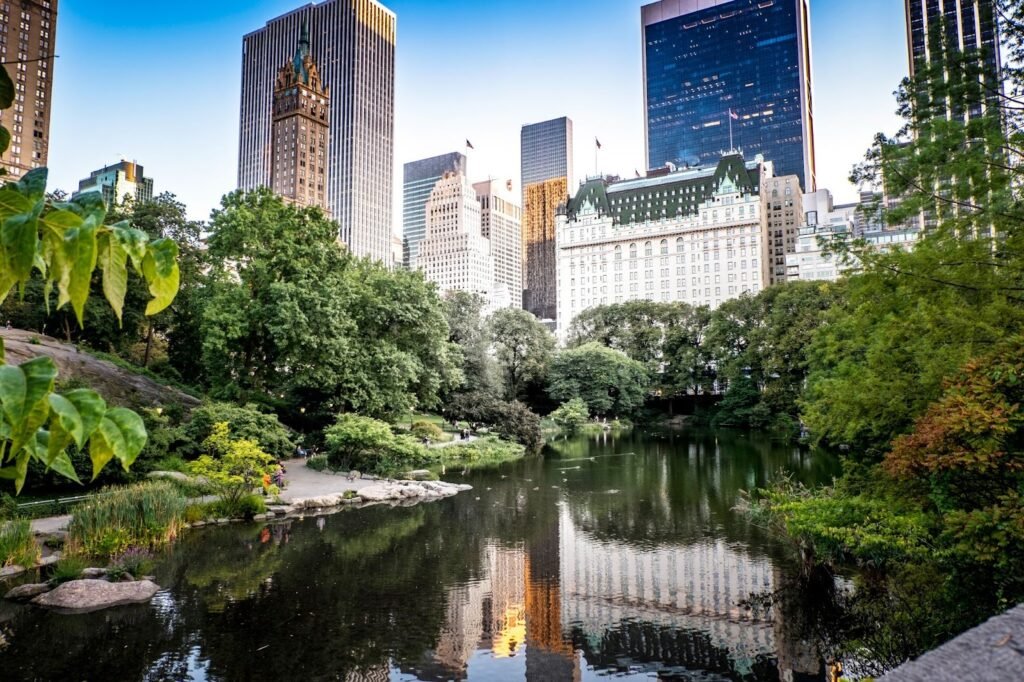
To promote urban biodiversity in modern cities, a thorough strategy is essential. Implementing green infrastructure, such as green roofs and urban tree canopies, creates habitats and enhances ecosystem services. Encouraging the use of native plants fosters resilience while engaging communities through gardening and educational initiatives builds awareness. Developing wildlife corridors facilitates safe species movement, while effective policy and planning guarantee habitat preservation. By integrating ecological principles with community involvement, cities can improve their biodiversity. Exploring these strategies further will illuminate innovative practices for enhancing urban ecosystems and supporting sustainable living.
KEY TAKEAWAYS
- Implement green infrastructure, such as green roofs and urban tree canopies, to enhance habitats and improve environmental quality in cities.
- Encourage the use of native plants in landscaping to support local biodiversity and resilience against climate impacts.
- Foster community engagement through gardening projects, workshops, and citizen science to raise awareness and appreciation for local ecosystems.
- Create and maintain wildlife corridors to facilitate safe species movement and enhance habitat connectivity within urban environments.
- Develop and enforce policies that prioritize habitat preservation and integrate biodiversity considerations into urban planning and zoning regulations.
IMPORTANCE OF URBAN BIODIVERSITY
Why is urban biodiversity essential for the sustainability of city environments? Urban biodiversity plays a significant role in maintaining the integrity of urban ecosystems, which are often viewed as biodiversity hotspots due to their unique and complex interactions among various species. The ecological balance achieved through diverse species interactions is crucial for ensuring the stability and resilience of urban environments. Urban biodiversity refers to the variety of living organisms, including their genetic variations, as well as the multiplicity of habitats in and around dense human settlements. Biodiversity is a contraction of “biological diversity.” Biodiversity reflects the number, variety and variability of living organisms in an area. Biodiversity supports everything in nature that we need to survive: food, clean water, medicine, and shelter. As humans continue to put pressure on the planet, using and consuming more resources than ever before, we risk putting the Earth’s magnificent biodiversity at risk.
Urban wildlife, including birds, insects, and small mammals, contributes to essential ecosystem services such as pollinator support and pest control, which are indispensable for urban agriculture and landscape health while mitigating threats to biodiversity caused by habitat fragmentation and pollution. These services are indispensable for urban agriculture and landscape health, promoting habitat preservation and restoration efforts. Additionally, the presence of diverse species fosters environmental resilience, enabling urban areas to adapt to climate change impacts and other ecological stressors.
Conservation practices aimed at enhancing urban biodiversity are not merely aesthetic; they serve practical purposes. By integrating native plant species and creating green spaces, cities can restore lost habitats and create corridors for wildlife movement, thereby enhancing connectivity between fragmented ecosystems. This approach not only preserves existing biodiversity but also encourages new species to thrive, enriching the urban landscape.
Ultimately, the promotion of urban biodiversity is a multifaceted endeavor that requires collaboration between ecologists, urban planners, and community stakeholders. It presents an opportunity to redefine urban living by harmonizing human activities with nature, ensuring that cities remain vibrant and sustainable for generations to come.
Implementing Green Infrastructure
Implementing green infrastructure is pivotal for enhancing urban biodiversity, as it provides essential habitats while simultaneously offering ecological benefits. Green roofs and urban tree canopies contribute to improved air quality and temperature regulation, while sustainable rainwater management systems promote water conservation and reduce runoff. Together, these elements foster a resilient urban ecosystem that supports both wildlife and human well-being. Urban areas have rapidly expanded into natural habitats, often at the expense of biodiversity. Yet cities are also uniquely positioned to drive change. From Biodiversity COP15 to COP16, the momentum among subnational and local governments to take action has grown substantially. They are stepping up, calling for urgent and collective action to restore balance with nature.
Benefits of Green Roofs
Green roofs have emerged as a pivotal element in urban green infrastructure, offering a myriad of benefits that extend beyond mere aesthetics. These installations serve as biodiversity hotspots, fostering habitat creation for various species, thereby enhancing urban biodiversity. By providing essential ecosystem services, green roofs contribute to improved air quality and enhanced stormwater management. The vegetation absorbs rainwater, reducing runoff and mitigating flooding risks in urban areas.
Moreover, green roofs boast significant insulation benefits, which translate into energy efficiency, as they help regulate building temperatures. This reduced energy demand not only lowers utility costs but also diminishes the urban heat island effect, promoting a cooler city environment. The aesthetic value of green roofs cannot be overlooked; they transform bare rooftops into vibrant landscapes, enhancing the overall visual appeal of urban settings.
Additionally, green roofs can support urban agriculture, allowing city dwellers to engage in local food production, which fosters a sense of community and connection to nature. Finally, these green spaces contribute to noise reduction, creating quieter urban environments conducive to well-being. Collectively, the multifaceted advantages of green roofs highlight their essential role in promoting sustainable urban living and biodiversity.
Urban Tree Canopy
The integration of urban tree canopies into city landscapes represents a significant advancement in green infrastructure strategies. These canopies play a critical role in mitigating urban heat, enhancing tree diversity, and improving canopy coverage across metropolitan areas. By strategically increasing tree density, cities can create essential wildlife habitats, fostering biodiversity within urban ecology.
Moreover, the benefits of urban tree canopies extend beyond aesthetics. They contribute to carbon sequestration, helping to combat climate change while facilitating improved soil health through enhanced nutrient cycling. Effective tree maintenance is crucial in guaranteeing the longevity and health of these trees, which in turn provides continued benefits, such as community shade and stormwater interception, while also mitigating negative effects from human impact on biodiversity. This dual functionality reduces surface runoff, alleviating pressure on urban drainage systems.
Promoting urban tree canopies requires a collaborative approach, engaging local communities and stakeholders to guarantee sustainable practices that reflect the unique needs of each urban environment. By prioritizing the establishment and maintenance of these crucial green infrastructures, cities can foster resilient ecosystems that not only enhance the quality of urban life but also empower communities to thrive in harmony with nature.
Sustainable Rainwater Management
Addressing the challenges of urban flooding and water management requires a shift towards sustainable rainwater management practices that incorporate innovative green infrastructure solutions. Implementing rainwater harvesting systems, such as cistern systems, allows cities to capture and utilize precipitation effectively, reducing dependency on traditional water sources.
Permeable surfaces, integral to stormwater management, facilitate green infiltration, allowing rainwater to seep into the ground and replenish aquifers while simultaneously decreasing surface runoff. This approach can be enhanced through bioswale design, which utilizes vegetation and soil to filter and absorb stormwater, promoting ecological landscaping and biodiversity.
Urban wetlands serve as natural reservoirs, providing habitat for wildlife while managing excess rainfall. These ecosystems play a critical role in runoff reduction, improving water quality through natural filtration processes. Integrating these green infrastructure elements fosters a holistic approach to sustainable drainage, ensuring that cities can adapt to climate variability.
Encouraging Native Plant Use
Encouraging the use of native plants in urban landscapes offers significant ecological benefits, including enhanced biodiversity and improved resilience to local climate conditions. Effective landscape design strategies can incorporate these plants while fostering community engagement initiatives that educate residents about their importance. By prioritizing native species, cities can create vibrant ecosystems that support both wildlife and human well-being.
The anthropic actions have been imperative in relation to the natural environment, with the humans facing great challenges referring to the limited capacity of ecosystems sustain the actual level of consumption due to economic activities and population growth. Results of this accelerate growth are innumerous adverse impacts to the natural environment and, consequently, human population. Among them, stand out: biodiversity loss; (ii) fauna and flora species extinction; (iii) rivers silting and (iv) climate changes.7 The urbanization is occurring at a scale and speed that ecosystems and biodiversity are failing to endure, which can difficult their resilience and resistance. By 2030, cities will expand something around 1.2 million square kilometers, resulting in a tripling in size terms.
Benefits of Native Plants
While urban landscapes often prioritize aesthetics and non-native species, the integration of native plants offers a multitude of ecological and social benefits that can enhance biodiversity and sustainability. Native plants are well-adapted to local climates and soils, providing essential ecosystem services such as improved water retention, soil stabilization, and habitat for local wildlife. By selecting native species, urban planners can create resilient landscapes that thrive with minimal maintenance and resources, ultimately fostering sustainable practices.
Furthermore, native plants support pollinators and other beneficial organisms, which are fundamental for maintaining healthy ecosystems. This interdependence not only enriches urban biodiversity but also promotes ecological awareness among residents. Communities that embrace native plant benefits often experience enhanced aesthetic value, as these species can create vibrant, seasonally diverse landscapes while encouraging the use of eco friendly products in gardening and landscaping practices.
In addition, utilizing native plants can mitigate urban heat island effects and improve air quality, contributing to a healthier living environment. The collective advantages of native plants extend beyond individual gardens; they serve as essential components of urban ecology, offering a pathway for cities to harmonize with nature while empowering residents to participate in environmental stewardship.
LANDSCAPE DESIGN STRATEGIES
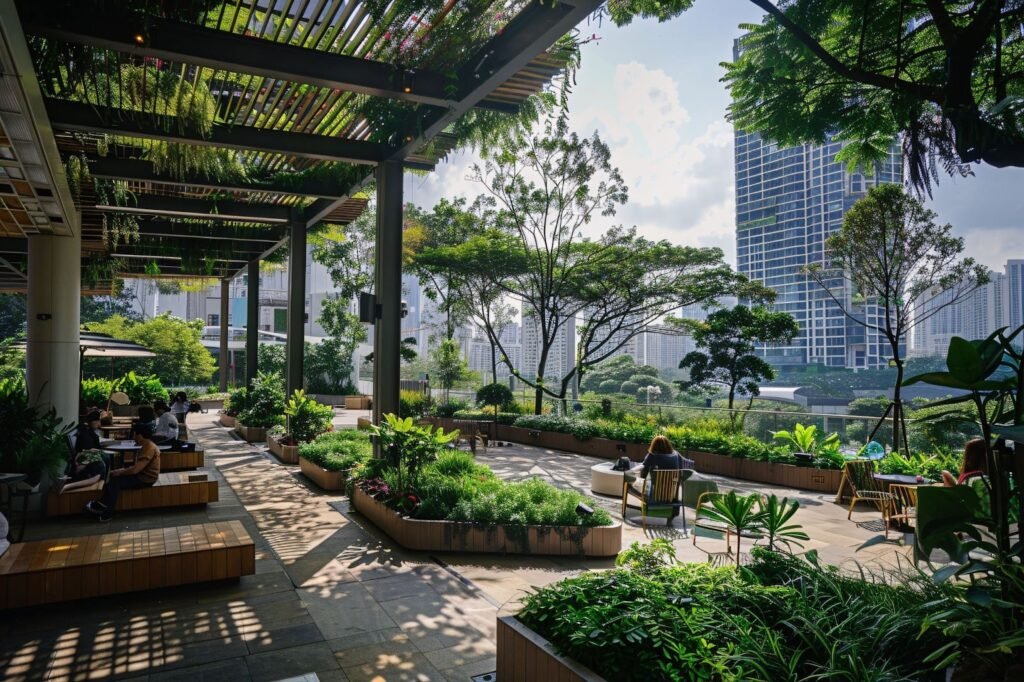
Incorporating native plants into urban landscapes requires thoughtful landscape design strategies that prioritize ecological integrity and community engagement. Utilizing permeable surfaces is essential for managing stormwater while fostering habitats for local flora and fauna. By integrating urban agriculture initiatives, cities can transform underutilized spaces into productive areas that support biodiversity and food security.
Pollinator gardens, designed specifically for attracting native pollinators, can function as biodiversity hotspots while enhancing the aesthetic appeal of mixed-use spaces. In addition, the establishment of green walls and sensory gardens can provide unique opportunities for urban dwellers to connect with nature, thereby promoting environmental awareness and stewardship.
Strategically planned ecological corridors facilitate habitat connectivity, allowing species to thrive despite urban fragmentation. These corridors can also link urban wetlands, creating crucial ecosystems that support diverse wildlife. By prioritizing these landscape design strategies, cities can cultivate environments that not only enhance biodiversity but also enrich the quality of life for residents. Ultimately, embracing native plants within urban landscapes fosters a harmonious balance between human activity and ecological vibrancy, contributing to sustainable urban futures.
Community Engagement Initiatives
Community engagement initiatives play a critical role in promoting the use of native plants within urban environments. By fostering a sense of ownership and stewardship among residents, these initiatives can enhance local biodiversity and strengthen community ties. Community gardening projects, for instance, can serve as practical venues for cultivating native flora, while simultaneously providing fresh produce and educational opportunities.
Citizen science programs empower individuals to participate in wildlife observation, contributing valuable data on local habitats and species. Biodiversity workshops can equip residents with the knowledge necessary to identify and appreciate native plants, while nature walks foster a deeper connection to the environment. Urban foraging initiatives can teach participants about the edible potential of native species, highlighting their importance in local ecosystems.
Art installations that incorporate native plants or themes can further engage the public, sparking conversations around sustainability. Collaborative projects and sustainability fairs can bring together diverse stakeholders, promoting a unified approach to urban biodiversity. Ultimately, these community engagement strategies not only encourage the use of native plants but also cultivate an ongoing dialogue about environmental stewardship and the intrinsic value of biodiversity in urban settings.
Creating Wildlife Corridors
Creating wildlife corridors is an essential strategy for enhancing urban biodiversity and facilitating the movement of various species across fragmented landscapes. As urbanization continues to encroach upon natural habitats, the need for effective corridor connectivity becomes increasingly critical. Wildlife corridors serve as lifelines, allowing for species migration between habitat patches, thereby fostering healthy ecological networks and mitigating the effects of habitat fragmentation.
To successfully implement wildlife corridors within urban planning frameworks, several key considerations must be addressed:
- Identification of biodiversity hotspots: Recognizing areas rich in wildlife can guide corridor placement.
- Design of wildlife crossings: Implementing overpasses and underpasses guarantees safe passage for species, reducing road mortality.
- Integration with green infrastructure: Incorporating native vegetation enhances habitat quality and attracts diverse fauna.
- Community involvement: Engaging stakeholders in the corridor design process fosters a sense of ownership and stewardship.
- Monitoring and maintenance: Regular assessments are necessary to verify the effectiveness of corridors and adapt to changing urban landscapes.
Engaging Community Participation
The successful implementation of wildlife corridors not only relies on scientific and ecological principles but also hinges on the active involvement of local communities. Engaging citizens through community workshops fosters a sense of ownership and responsibility towards urban biodiversity. These workshops can serve as platforms for discussing biodiversity mapping and identifying local environmental challenges, thereby empowering residents to contribute to their ecosystems.
Citizen science initiatives, where community members collect data on local flora and fauna, can enhance biodiversity understanding while simultaneously promoting education and engagement. Local partnerships with schools can amplify this effect, as students participate in volunteer programs and urban gardening projects that cultivate both green spaces and ecological awareness. School involvement not only educates the youth but encourages families to engage in nature walks and observe the wildlife around them.
Art projects can creatively express the importance of biodiversity, transforming local spaces into vibrant displays that generate excitement and awareness. By addressing neighborhood challenges, such as invasive species or pollution, communities can collaborate on solutions that enhance their surroundings.
Incorporating diverse community perspectives guarantees that the strategies employed are both relevant and effective. When citizens feel empowered to participate in urban biodiversity initiatives, they become not just observers but active stewards of their environment. The resulting synergy between scientific knowledge and community action can lead to sustainable urban ecosystems that thrive, showcasing the transformative power of collaborative efforts in promoting biodiversity in modern cities.
Education and Awareness Programs
While fostering a deeper understanding of urban biodiversity is critical for sustainable practices, education and awareness programs play a pivotal role in this endeavor. These initiatives empower communities to appreciate and actively participate in the conservation of their local ecosystems. By integrating interdisciplinary approaches, such programs can engage diverse audiences, from schoolchildren to urban planners, thereby promoting a collective commitment to biodiversity.
Effective education and awareness programs typically encompass various strategies, including:
- Biodiversity Workshops: Hands-on experiences that teach participants about local species and ecosystems.
- Citizen Science Projects: Engaging the public in data collection and observation to enhance biodiversity records.
- Community Events: Festivals or fairs that celebrate local flora and fauna, fostering a sense of belonging and responsibility.
- School Curricula Integration: Incorporating biodiversity topics into educational frameworks to instill knowledge from an early age.
- Online Resources and Campaigns: Utilizing digital platforms to disseminate information and mobilize community action.
Policy and Planning Strategies
Effective policy and planning strategies serve as the backbone for promoting urban biodiversity. To foster a thriving ecosystem within cities, extensive land use policies must be developed that prioritize habitat preservation and integrate biodiversity indicators into urban planning frameworks. Zoning regulations should be revisited to allow for mixed-use developments that support urban agriculture and green space legislation, thereby creating multifunctional landscapes that benefit both wildlife and residents.
Ecological assessments are critical in identifying areas where biodiversity is at risk, guiding effective interventions. Stakeholder collaboration among local governments, non-profits, and community members is essential to guarantee that these policies are not only enacted but also embraced. By fostering partnerships, cities can tap into local knowledge and support conservation incentives that encourage the protection of existing green spaces and the establishment of urban forestry initiatives.
Moreover, the implementation of urban agriculture can enhance both food security and biodiversity, providing habitats for various species while promoting sustainable living practices. Through targeted policies, cities can integrate biodiversity into the urban fabric, creating environments where nature and human activity coexist harmoniously.
Conclusion
Urban biodiversity serves as the backbone of resilient ecosystems, akin to a complex web where each strand supports the whole. A 2018 study revealed that cities with robust green spaces experienced a 30% increase in local bird populations, illustrating the profound impact of thoughtful planning. By integrating green infrastructure and fostering community engagement, urban environments can transform into thriving habitats. Ultimately, promoting biodiversity in cities not only enhances ecological health but also enriches the quality of life for all inhabitants.
First-Time Application Of The Iucn Urban Nature Indexes And Its Applicability For Urban-Related Biodiversity Conservation Targets – A Case Study For Berlin, Germany
This study presents the first-ever practical application of the IUCN Urban Nature Indexes (UNI), a comprehensive framework designed to measure the ecological performance of cities, using Berlin, Germany as a case study. The research demonstrates the feasibility of applying the UNI, documents data sources, and evaluates the index’s alignment with global, EU, and regional biodiversity conservation targets.
Key Findings:
- Successful First Application in a European Capital:
- The UNI was applied to Berlin in 2023, assessing 27 out of 30 indicators across its six thematic areas:
- Consumption Drivers (e.g., waste, water, GHG emissions)
- Human Pressures (e.g., pollution, invasive species)
- Habitat Status (e.g., protected areas, vegetation cover)
- Species Status (e.g., Red List species, functional diversity)
- Nature’s Contributions to People (e.g., access to green space, health)
- Governance Responses (e.g., management plans, education)
- Berlin’s extensive open-access data infrastructure (city portals, environmental atlases, Red Lists, NGO networks) enabled this high level of completion, exceeding the requirements for a city with “mega-capacity.”
- Data Sources and Adaptability:
- The study compiled a detailed inventory of data sources, ranging from official city statistics and environmental directives to citizen science platforms and academic programs.
- Three indicators (e.g., Shorelines/Riverbanks, Habitat Connectivity, Microbiota) could not be completed due to data gaps, highlighting areas for future monitoring improvement.
- The UNI framework is flexible and adaptable, allowing cities to use proxy data or adjust indicators to local contexts while maintaining comparability.
- Strong Alignment with Biodiversity Policy Frameworks:
- The 27 applied UNI indicators fully cover urban-related targets and action areas from key biodiversity strategies, including:
- The Kunming-Montreal Global Biodiversity Framework (GBF) (e.g., ecosystem restoration, pollution reduction).
- EU policies such as the Habitat Directives, Nature Restoration Regulation, and Green Deal.
- Berlin’s own Biodiversity Strategy 2030+.
- This demonstrates the UNI’s utility as a translational tool that converts high-level policy goals into measurable, local ecological indicators.
- Potential as a Monitoring and Policy-Support Tool:
- When updated regularly, the UNI can track progress toward biodiversity and sustainability targets, similar to how the Living Planet Index and Red List Index are used globally.
- It provides a standardized yet customizable baseline for cities worldwide to assess their ecological performance, regardless of size or capacity.
- The index can inform urban planning, enhance transparency, and support cities in their role as catalysts for sustainable development.
Conclusions and Implications:
- Feasibility: The successful application in Berlin proves that comprehensive urban biodiversity assessment is achievable with existing and regularly collected data.
- Policy Integration: The UNI effectively bridges the gap between international biodiversity targets and local urban action, making global goals actionable at the city level.
- Call for Regular Updates: To realize its full potential, the UNI must be updated periodically (every 1–5 years) to monitor trends and evaluate the effectiveness of conservation interventions.
- Model for Other Cities: Berlin’s case provides a practical blueprint for other cities interested in applying the UNI to benchmark their ecological performance and align with global sustainability agendas.
In summary, the IUCN Urban Nature Indexes offer a robust, multidimensional framework for cities to measure, manage, and improve their ecological health, directly contributing to global efforts to address the biodiversity crisis through localized, data-driven action.
| REFERENCE: Silvia Keinath, Nike Sommerwerk, Loredana Scuto, Tony Nello, Jörg Freyhof, First-time application of the IUCN urban Nature Indexes and its applicability for urban-related biodiversity conservation targets – A case study for Berlin, Germany, Ecological Indicators, Volume 180, 2025, 114327, ISSN 1470-160X, https://doi.org/10.1016/j.ecolind.2025.114327. (https://www.sciencedirect.com/science/article/pii/S1470160X25012592) |
Status And Trends Of Germany’s Urban Biodiversity: A Nationwide Assessment And Identified Knowledge Gaps
Objective
This study provides the first nationwide assessment of urban biodiversity in Germany, synthesizing available data on species occurrence, trends, and monitoring capacity. It was conducted as part of the German Biodiversity Assessment (“Faktencheck Artenvielfalt”), aiming to inform conservation strategies and policy.
Key Findings
- Status of Urban Biodiversity
- German cities host a significant proportion of the national species pool, ranging from 15% (lichens in Berlin) to 76% (dragonflies in Hamburg).
- Cities with higher environmental heterogeneity—such as diverse habitats (parks, ponds, gardens)—support greater biodiversity.
- Specialist species (e.g., lichens, mosses) are less represented due to specific habitat requirements, while generalists (birds, insects) thrive in urban settings.
- Temporal Trends
- No uniform trend in species diversity was identified across cities; trends vary by taxonomic group and location.
- For vertebrates (mainly birds), ~48–55% of trends showed no significant change, while negative trends were more common than positive ones in species richness.
- Bird populations associated with settlements declined by 23% between 1990 and 2018, though some species adapted to urban nesting have recovered since 2005.
- Biotic Homogenization vs. Differentiation
- Evidence does not strongly support the theory that urbanization consistently leads to biotic homogenization.
- Patterns vary by group: vascular plants and land snails show differentiation due to non-native species, while dragonflies show no clear homogenization trend.
- The quality of evidence is limited, with most studies focusing on plants, dragonflies, and snails.
- Monitoring Capacity
- Data availability is uneven: best for birds and plants, poorest for fish and soil organisms.
- Most municipalities lack systematic monitoring programs, and few plan further data collection.
- Existing monitoring is fragmented, non-standardized, and often not publicly accessible.
- Knowledge Gaps
- Data are biased toward large cities (Berlin, Hamburg) and a few taxa (birds, plants).
- Long-term time series are scarce, and the effectiveness of conservation measures is rarely evaluated.
- Smaller cities and many taxonomic groups (e.g., invertebrates, soil organisms) are understudied.
Recommendations
- Establish a nationwide urban biodiversity monitoring system based on standardized protocols, covering diverse taxa and habitats, including soil organisms.
- Improve data integration and accessibility via centralized platforms (e.g., national biodiversity portals) following FAIR principles.
- Enhance coordination among federal, state, and municipal authorities, research institutions, NGOs, and citizen science initiatives.
- Adopt innovative technologies such as remote sensing, DNA barcoding, and passive acoustic monitoring to improve data collection and analysis.
- Secure adequate funding and capacity building to ensure long-term monitoring and evidence-based conservation planning.
Conclusion
Urban areas in Germany are important refuges for biodiversity but face significant knowledge and monitoring gaps. A coordinated, well-funded, and scientifically robust monitoring framework is essential to track trends, assess conservation actions, and align urban development with biodiversity goals.
| REFERENCE: Thilo Wellmann, Sonja Knapp, Christian Albert, Monika Egerer, Leonie K. Fischer, Josef Kaiser, Stephanie Kramer-Schadt, André Mascarenhas, Christian Ristok, Maria Sporbert, Tanja M. Straka, Michael W. Strohbach, Christoph Bleidorn, Jori Maylin Marx, Willi E.R. Xylander, Peter Keil, Dagmar Haase, Status and trends of Germany’s urban biodiversity: A nationwide assessment and identified knowledge gaps, Basic and Applied Ecology, Volume 89, 2025, Pages 37-49, ISSN 1439-1791, https://doi.org/10.1016/j.baae.2025.10.002. (https://www.sciencedirect.com/science/article/pii/S1439179125000817) |
An Urban Integration Approach of Green Roofs and Rooftop Photovoltaics Towards Carbon Neutrality and Biodiversity Enhancement
Objective
This study proposes and applies a holistic Earth Observation (EO)-based framework to assess the suitability of urban rooftops for integrating green roofs (GR) and rooftop photovoltaics (RPV). Using the city of Ioannina, Greece—located within a Natura 2000 protected area—as a case study, the research quantifies the combined potential of these technologies to reduce carbon emissions, enhance biodiversity, and improve urban ecosystem services.
Key Findings
- Rooftop Suitability Assessment Framework
- A five-step EO-based methodology was developed, integrating satellite imagery, machine learning (Random Forest classifier), 3D geometry analysis, and solar irradiance modeling to classify rooftops as suitable for RPV, GR, or hybrid “biosolar” systems.
- 64% of roofs were ceramic (pitched) and 36% were concrete (flat). South-facing pitched roofs were optimal for RPV, while flat and north-facing roofs were more suitable for GR.
- Carbon Mitigation Potential
- Scenario 1 (balanced integration): Installing RPV on half of pitched roofs and GR on half of flat roofs could avoid 38,700 tCO₂/year (~93% from RPV, ~7% from GR).
- Scenario 2 (maximized solar): Prioritizing RPV on all suitable surfaces could avoid 60,700 tCO₂/year.
- RPV delivers higher direct carbon avoidance (48–51 kg CO₂/m²/year) compared to GR’s direct sequestration (~1.35 kg CO₂/m²/year), but GR provides additional indirect savings through improved insulation and cooling.
- Biodiversity and Ecosystem Services Enhancement
- GR can increase the city’s functional green cover by nearly 50%, acting as stepping stones and microhabitats that connect urban green spaces with the adjacent Natura 2000 lake ecosystem.
- Benefits include stormwater retention, urban heat island mitigation, and support for pollinators, birds, and arthropods.
- Synergies and Co-Benefits
- Biosolar systems (combined RPV + GR) show synergistic effects: vegetation cools PV panels, improving efficiency by 3–10%, while PV provides shading that benefits plant growth.
- GR contribute to a range of ecosystem services: thermal regulation, water management, air quality improvement, noise reduction, and human well-being.
Methodological Innovation
The study introduces a scalable, data-driven framework using open-access EO data and geospatial tools, applicable to cities with limited local data. It combines:
- Roof classification via Sentinel-2 imagery
- Solar potential modeling using the Pérez irradiance model
- Multicriteria decision-making based on orientation, shading, and structural feasibility
Policy and Planning Implications
- Integrated urban policies are needed to mandate or incentivize RPV and GR, especially in regions lacking regulatory support (e.g., Greece).
- Financial mechanisms (feed-in tariffs, tax incentives) and community engagement are critical for adoption.
- The approach aligns with the European Green Deal and UN Sustainable Development Goals (SDGs 3, 11, 13, 15).
Challenges and Limitations
- High upfront costs and long payback periods for GR (17–18 years vs. 3–4 years for RPV).
- Structural constraints, maintenance requirements, and climate-specific design challenges.
- Data gaps in high-resolution roof geometry and load-bearing capacity.
Conclusion
Integrating RPV and GR on urban rooftops offers a powerful dual strategy for achieving carbon neutrality and enhancing urban biodiversity. The proposed framework provides a practical tool for cities to identify optimal rooftop uses, maximize co-benefits, and support resilient, sustainable urban planning—particularly in ecologically sensitive areas such as Natura 2000 sites.
| REFERENCE: Ioannis P. Kokkoris, Nikolaos Skandalos, Dimitrios Karamanis, An urban integration approach of green roofs and rooftop photovoltaics towards carbon neutrality and biodiversity enhancement, Energy and Buildings, Volume 349, 2025, 116585, ISSN 0378-7788, https://doi.org/10.1016/j.enbuild.2025.116585. (https://www.sciencedirect.com/science/article/pii/S0378778825013155) |