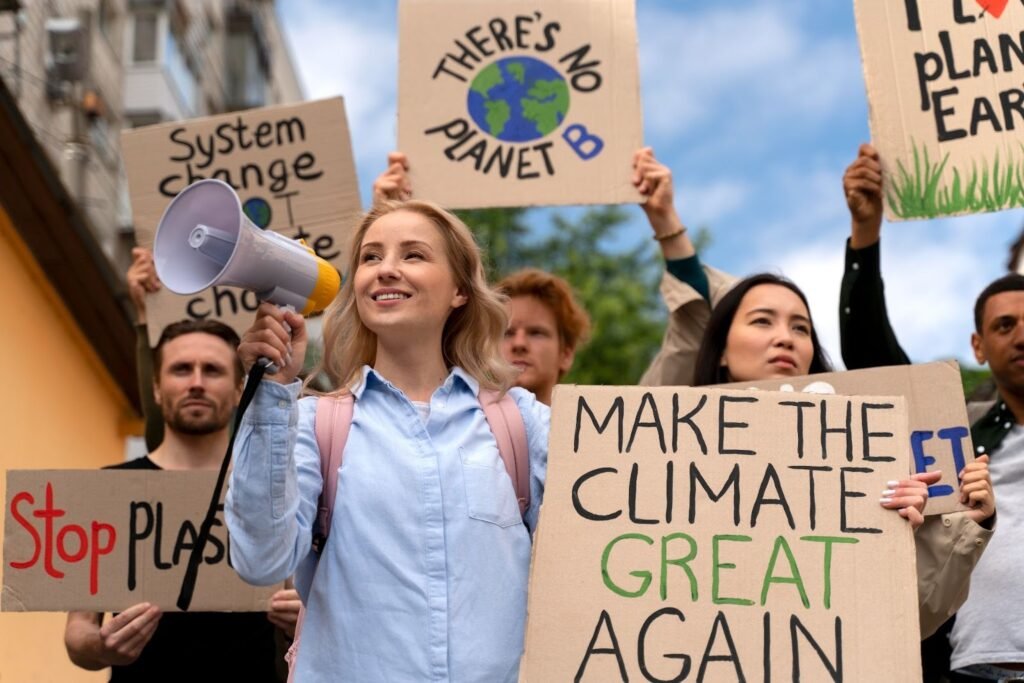
Environmental advocacy is more than just a buzzword; it’s the bridge between scientific reality and social change. Throughout my journey from the labs at MIT to the front lines of global climate campaigns, I’ve realized that advocacy groups are the true engine of progress, often serving as the primary force behind substantial legislative changes.
They take complex policy frameworks and translate them into actionable strategies that empower local communities. In my experience, the most effective advocacy isn’t top-down; it’s a collaborative effort that unites researchers, policymakers, and residents.
We see this in the way grassroots activism and community organizing can amplify the voices of those most affected by environmental degradation, pushing for meaningful solutions that might otherwise be ignored by institutional inertia. By building trust through open dialogue and transparency, we ensure that diverse perspectives shape the sustainable practices of tomorrow.
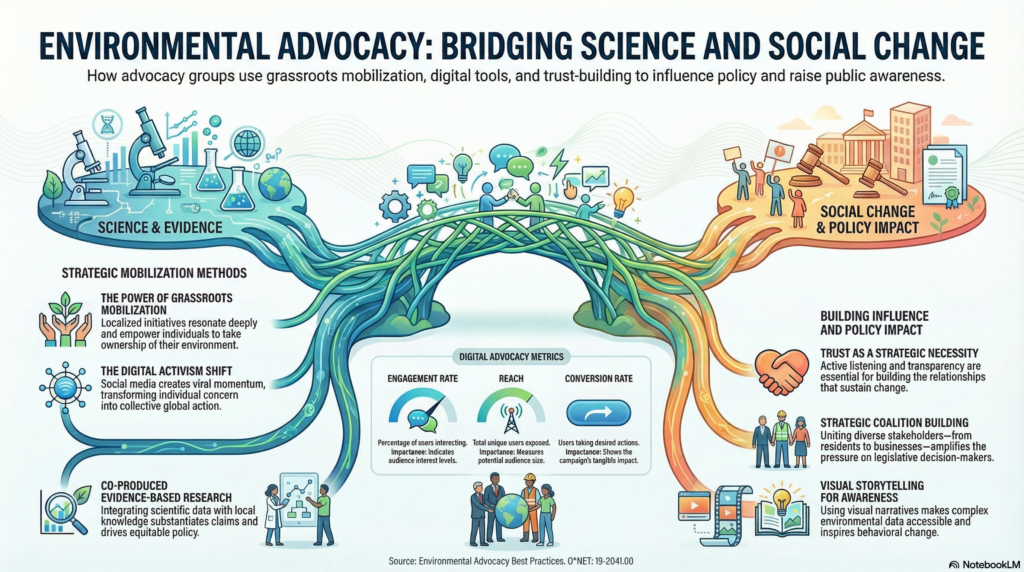
Environmental advocacy greatly influences policy and public awareness through strategic engagement and collaboration. Advocacy groups mobilize grassroots campaigns that empower communities to take ownership of local environmental issues, driving considerable policy changes. They utilize social media as a powerful tool to raise awareness quickly and effectively, fostering collective action. By facilitating open dialogues, advocates build trust and transparency, ensuring diverse perspectives shape sustainable practices. These efforts cultivate public engagement, leading to informed communities ready to act. Understanding the multifaceted approaches of advocacy can reveal deeper insights into their impact on our environmental future.
KEY TAKEAWAYS
- Advocacy groups shape environmental policy and public perception by fostering collaboration among communities, policymakers, and organizations.
- Grassroots campaigns mobilize local engagement, empowering individuals to advocate for environmental change and demonstrate the power of collective action.
- Open dialogue and trust-building among advocates and community members enhance collaboration on environmental issues and foster a shared commitment to sustainability.
- Evidence-based research and public mobilization through grassroots movements influence policy changes and amplify advocacy efforts among diverse stakeholders.
- Social media serves as a vital tool for raising awareness, mobilizing support, and inspiring collective action towards environmental sustainability.
THE ROLE OF ADVOCACY GROUPS
Advocacy groups play a significant role in shaping environmental policy and public perception, often serving as the driving force behind substantial legislative changes. These organizations utilize diverse advocacy strategies, such as coalition building, to unite various stakeholders around common goals. By fostering collaboration among community members, policymakers, and other organizations, advocacy groups enhance their influence and effectiveness in promoting environmental justice and sustainable practices. Environmental advocacy takes many forms, from grassroots activism and community organizing to lobbying policymakers and engaging in legal action. Through campaigns, protests, petitions, and social media outreach, advocates amplify the voices of those most affected by environmental degradation and push for meaningful solutions.
Central to their mission is the development of extensive policy frameworks that address pressing environmental issues. Advocacy groups prioritize legislative initiatives that align with their objectives, ensuring that their efforts are focused on relevant and impactful changes. Community outreach becomes an essential tool in this process, as it enables these organizations to engage with the public, educate them about environmental concerns, and mobilize grassroots support.
Funding sources play a significant role in sustaining these advocacy initiatives. By securing financial support from diverse channels, including donations and grants, advocacy groups can invest in research initiatives that bolster their campaigns. This research not only informs their policy positions but also enhances their credibility in public engagement efforts.
The effectiveness of advocacy campaigns hinges on their ability to resonate with the public and create a sense of urgency around environmental issues. By articulating clear legislative priorities and demonstrating the tangible benefits of proposed changes, advocacy groups can galvanize support and drive meaningful action. Ultimately, the work of these groups is fundamental for creating a more equitable and sustainable future, empowering individuals and communities to advocate for their rights and the environment.
Grassroots Campaigns and Their Impact
Grassroots campaigns serve as a powerful mechanism for mobilizing community action and fostering local engagement in environmental issues. These campaigns empower individuals by providing them with the tools and resources necessary to advocate for their local environment. By leveraging the enthusiasm and commitment of community members, grassroots movements can influence policy changes and raise public awareness about pressing environmental challenges.
The success of grassroots campaigns often hinges on their ability to connect with the community. Local initiatives, driven by the specific needs and concerns of residents, tend to resonate more deeply than top-down approaches. This localized focus allows for tailored strategies that can effectively address unique environmental issues faced by communities.
| Aspect | Grassroots Campaigns | Traditional Advocacy |
| Community Engagement | High – Direct involvement of locals | Limited – Often top-down |
| Flexibility | Adaptive to local needs | Rigid – Follows a set agenda |
| Impact on Policy | Local influence leads to broader change | National focus, less local input |
Grassroots campaigns not only foster community engagement but also encourage individuals to take ownership of their environment, inspiring participation in local projects and broader environmental activism efforts that influence policy and public awareness. As people become more aware of their ability to effect change, they are more likely to participate in local initiatives that promote sustainability. Ultimately, grassroots movements exemplify the power of collective action, proving that when communities unite, they can create significant and lasting impacts on both policy and public awareness regarding environmental issues.
Social Media as a Tool
When I’m not analyzing urban aerosols, I’m often looking at how we can better mobilize support. The digital age has fundamentally shifted the landscape of activism. Social media has emerged as a pivotal tool, allowing us to achieve viral reach and foster collective momentum for change. It’s fascinating to see how hashtag movements can unify global efforts while virtual community building creates supportive networks for like-minded individuals.
However, as a scientist, I know that digital reach must be paired with tangible, evidence-based research. For example, the co-produced Flood-Health Vulnerability Assessment in Milwaukee shows how integrating local knowledge with spatial analysis can support advocacy for environmental justice in marginalized communities.
This blend of “high-tech” data and “high-touch” community engagement including active listening and transparency is what builds the trusting relationships necessary for long-term impact. We are moving toward a concept of “enviropreneurship,” where even small and medium enterprises are integrating green supply chain management and innovation to align economic success with ecological stewardship.
Social media has emerged as a pivotal tool for environmental advocacy, enabling campaigns to achieve viral reach and markedly enhance public awareness. By leveraging platforms to mobilize grassroots support, advocates can effectively engage a broader audience and foster community action. This dynamic interaction not only amplifies messages but also transforms individual concern into collective momentum for environmental change.
Viral Campaigns Impact Awareness
How effectively can viral campaigns leverage the vast reach of social media to enhance environmental awareness? The potency of viral messaging strategies lies in their ability to resonate with audiences, encouraging rapid sharing and engagement. These campaigns can markedly amplify environmental issues, transforming them into trending topics that capture public attention. The effectiveness of such campaigns can be measured through various metrics, including engagement rates, shares, and overall reach.
| Metric | Description | Importance |
| Engagement Rate | Percentage of users interacting with content | Indicates audience interest |
| Shares | Number of times content is shared | Reflects message virality |
| Reach | Total number of unique users exposed | Measures potential audience size |
| Conversion Rate | Users taking desired actions (e.g., petitions) | Shows campaign impact |
| Sentiment Analysis | Public perception of the campaign | Gauges emotional response |
Viral campaigns, when executed effectively, not only raise awareness but also foster a sense of shared responsibility among individuals. By harnessing social media, these initiatives can inspire collective action, making environmental advocacy accessible and engaging for all.
Grassroots Mobilization Online
In today’s digital landscape, the power of online platforms to mobilize grassroots movements cannot be underestimated. Social media serves as a pivotal tool in shaping environmental advocacy through diverse digital activism strategies that amplify voices and drive action. The effectiveness of online petitioning has surged, allowing advocates to gather substantial support for critical issues with just a few clicks.
Key aspects of grassroots mobilization online include:
- Virtual Community Building: Social media fosters connections among like-minded individuals, creating supportive networks that enhance collective action.
- Influencer Collaborations: Partnering with influential figures can exponentially increase visibility and credibility, thereby attracting wider audiences to environmental causes.
- Hashtag Movements: Strategic hashtag campaigns can unify efforts and raise awareness, making complex issues more accessible and engaging to the public.
- Crowdfunding Initiatives: Online platforms facilitate fundraising efforts, enabling grassroots organizations to support their projects and expand their reach.
Moreover, online education platforms further empower individuals, equipping them with knowledge to advocate effectively. As social media engagement continues to evolve, its role in grassroots mobilization is essential for fostering a liberated, informed society ready to confront environmental challenges.
Engaging Communities in Dialogue
Engaging communities in dialogue is essential for fostering trusting relationships between advocates and residents. By facilitating open conversations, stakeholders can better understand local concerns and perspectives, which enhances collaboration on environmental issues. This approach not only empowers communities but also cultivates a shared commitment to sustainable practices.
BUILDING TRUSTING RELATIONSHIPS
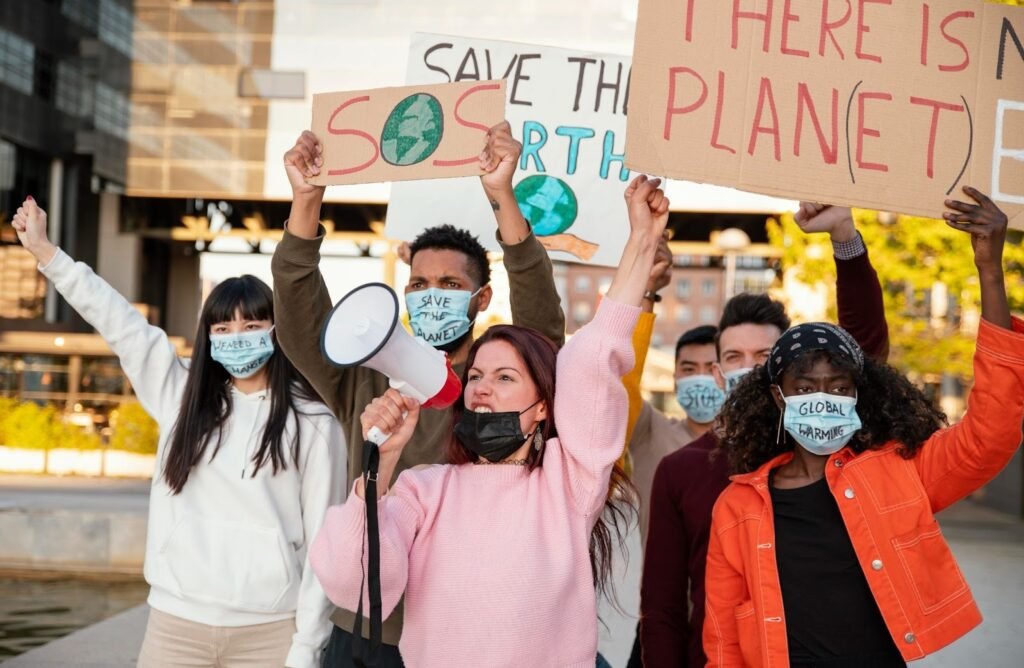
Building trusting relationships within communities is essential for effective environmental advocacy, as these connections foster open dialogue and collaborative problem-solving. Establishing trust is not merely a nicety; it is a strategic necessity in the pursuit of environmental justice and sustainability. To build these relationships, advocates must employ specific trust building strategies that resonate with community values.
- Active Listening: Engaging with community members and genuinely acknowledging their concerns fosters a sense of respect and validation.
- Transparency: Sharing objectives, methods, and potential impacts of advocacy efforts promotes accountability and fosters trust in collaborative networks.
- Consistent Engagement: Regular outreach and follow-ups help maintain relationships and demonstrate commitment to community interests.
- Empowerment: Involving community members in decision-making processes not only builds trust but also cultivates local leadership and ownership of environmental initiatives.
Facilitating Open Conversations
Environmental advocates can be found working in academia, nonprofits, the government and the private sector. They are researchers, policymakers, field workers and communication specialists. They work at places like the Environmental Protection Agency, the National Park Service and the U.S. Geological Survey. Facilitating open conversations within communities serves as a cornerstone for effective environmental advocacy, enabling the exchange of ideas and concerns that are essential for collective action. By fostering community engagement through open dialogue, diverse perspectives can be integrated into the decision-making process, enriching discussions and promoting inclusivity. Collaborative platforms that encourage active listening and shared narratives create an environment where all voices are valued.
To illustrate the key elements of facilitating open conversations, consider the following table:
| Element | Description | Impact |
| Inclusive Discussions | Engaging all community members | Fosters a sense of belonging |
| Constructive Feedback | Encouraging input and critique | Enhances problem-solving ability |
| Transparent Communication | Sharing information openly | Builds trust and accountability |
These elements are fundamental in creating solution-oriented conversations that lead to actionable outcomes. By prioritizing inclusive discussions and maintaining transparent communication, environmental advocates can more effectively mobilize communities, ultimately influencing policy and increasing public awareness. The empowerment of individuals through these dialogues fuels a collective drive towards sustainable practices and initiatives.
Policy Changes Driven by Advocacy
Advocacy plays a pivotal role in shaping environmental policy by mobilizing public opinion and influencing decision-makers. Through strategic policy advocacy, environmental advocates can drive legislative reforms that address pressing ecological issues. The effectiveness of these advocacy efforts often hinges on their ability to present compelling arguments, foster coalitions, and engage the public in meaningful dialogue.
Key factors that contribute to successful policy changes driven by advocacy include:
- Evidence-Based Research: Advocates utilize scientific data to substantiate their claims and propose actionable solutions, making it difficult for policymakers to dismiss their recommendations.
- Public Mobilization: Grassroots movements harness the power of community engagement to pressure legislators, demonstrating that there is substantial public support for specific environmental initiatives.
- Coalition Building: By forming alliances with diverse stakeholders—ranging from local communities to businesses—advocates can amplify their voices and increase the likelihood of legislative reforms being enacted.
- Strategic Communication: Effective messaging that resonates with various audiences is essential for advocacy efforts to gain traction, guaranteeing that the environmental agenda remains at the forefront of political discourse.
Through these mechanisms, advocacy not only influences policy outcomes but also fosters a culture of accountability and transparency in governance, with support from environmental activism groups that provide expertise, resources, and community connections. As environmental challenges become increasingly complex, the need for robust advocacy remains vital to guarantee that legislative reforms align with the principles of sustainability and freedom for future generations.
Raising Public Awareness
Raising public awareness is a fundamental component of effective environmental advocacy, as it lays the groundwork for informed community engagement and active participation in ecological initiatives. By employing awareness strategies that focus on educational outreach and community involvement, advocates can greatly enhance environmental literacy among the populace, including promoting the use of eco friendly products to reduce individual ecological footprints. These efforts not only foster a deeper understanding of ecological issues but also inspire behavioral change.
Effective messaging is vital in this endeavor. Utilization of visual storytelling can capture attention and convey complex information in an accessible manner, making it easier for individuals to relate to environmental challenges. Local partnerships further amplify these efforts, allowing advocates to harness the collective strength of communities to promote participatory initiatives.
To illustrate the impact of various awareness strategies, the table below outlines key approaches and their outcomes:
| Awareness Strategy | Expected Outcome |
| Educational Outreach | Increased environmental literacy |
| Visual Storytelling | Enhanced messaging effectiveness |
| Community Involvement | Greater public engagement |
| Local Partnerships | Strengthened collaborative initiatives |
The synergy of these strategies is essential for cultivating a community that is not only informed but also motivated to act. By prioritizing public awareness, environmental advocacy transforms passive observers into active participants, ultimately driving meaningful change. The pursuit of freedom in this situation means empowering individuals with the knowledge and tools necessary to advocate for a sustainable future.
The Future of Environmental Advocacy
Environmental advocacy is a crucial movement dedicated to preserving and protecting our planet’s natural resources and ecosystems. It encompasses a wide range of activities, from policy reform and legal actions to public campaigns and grassroots organising, aimed at addressing issues such as climate change, deforestation, and pollution. As global environmental challenges become increasingly complex, the future of environmental advocacy will hinge on the integration of innovative strategies that leverage technology and community resilience. Advocates must not only address pressing issues like climate justice but also foster sustainable practices that guarantee long-term ecological balance. This future will require a multifaceted approach, incorporating various elements to maximize impact.
- Youth Engagement: Empowering young leaders through environmental education is essential. Their passion and creativity can drive grassroots movements and inspire widespread change.
- Interdisciplinary Collaboration: Environmental advocacy must unite experts from diverse fields—science, law, business, and social justice—to develop policy innovations that address complex environmental issues holistically.
- Corporate Responsibility: Businesses must be held accountable for their environmental impacts. Advocates should promote corporate responsibility that aligns with sustainable practices, encouraging companies to invest in ecological restoration and equitable solutions.
- Legislative Advocacy: Effective policy change relies on dedicated advocacy for legislation that prioritizes environmental sustainability. This involves engaging communities to amplify their voices in the decision-making process.
RELATED STUDIES ABOUT ENVIRONMENTAL ADVOCACY
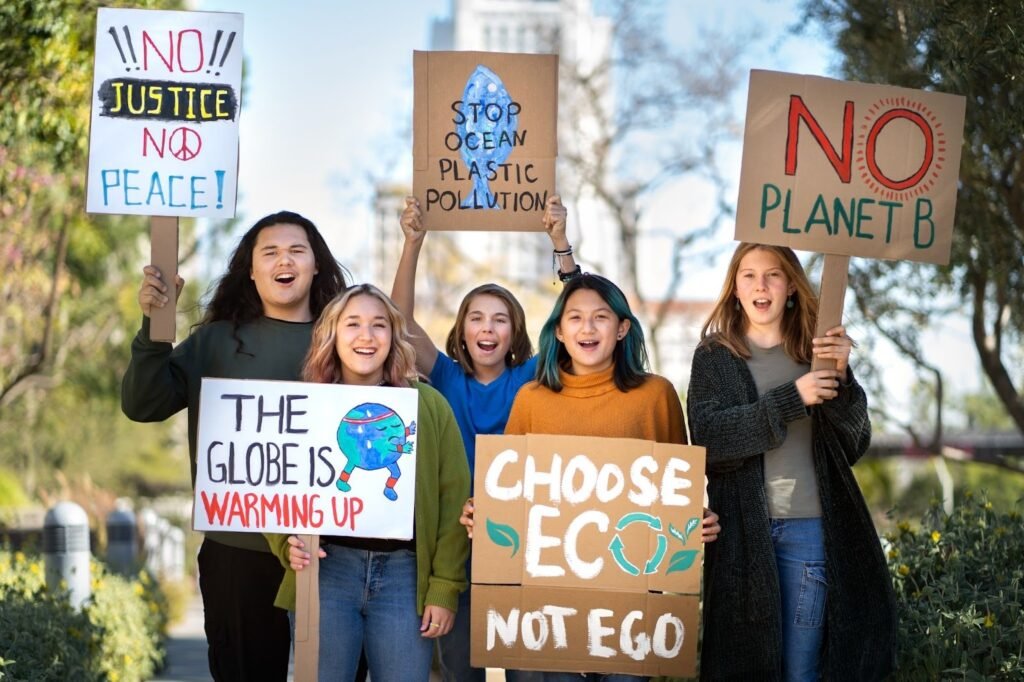
Environmental advocacy stands at the intersection of policy influence and public consciousness, where the efforts of dedicated groups often contrast with institutional inertia. Grassroots campaigns ignite passion, while social media amplifies voices that might otherwise remain unheard. This dynamic interplay fosters a heightened awareness of ecological issues, driving meaningful policy changes. As the landscape of environmental advocacy evolves, the challenge remains to transform heightened awareness into lasting action, ensuring that the urgency of the moment translates into sustainable progress.
CSR-Driven Motivation and Happiness as Dual Pathways to Brand Advocacy: The Moderating Role of Environmental Concern in Hospitality Marketing
Overview
This study investigates how Corporate Social Responsibility (CSR) initiatives in the Chinese hospitality sector lead to customer Brand Advocacy (BA)—where customers actively recommend and defend the brand. The research proposes and tests a dual-pathway model where CSR influences advocacy through both rational (Customer Motivation) and emotional (Customer Happiness) mechanisms. Additionally, it examines how Customer Environmental Concern (CEC) strengthens these relationships.
Methodology
- Sample: 361 hotel guests in China (Beijing, Shanghai, Guangzhou, Chengdu).
- Design: Cross-sectional survey using a structured questionnaire.
- Analysis: Partial Least Squares Structural Equation Modeling (PLS-SEM).
- Key Measures:
- CSR: Perceived social responsibility of the hotel.
- Customer Motivation (CM): Comprising self-enhancement, social bonding, and identity signaling.
- Customer Happiness (CH): Emotional satisfaction and joy from associating with a socially responsible brand.
- Brand Advocacy (BA): Willingness to recommend and defend the brand.
- Customer Environmental Concern (CEC): Personal level of environmental awareness and values.
Key Findings
- Direct and Mediated Effects:
- CSR positively influences Brand Advocacy (H1 supported).
- CSR significantly increases both Customer Motivation (H2 supported) and Customer Happiness (H5 supported).
- Both Customer Motivation (H3 supported) and Customer Happiness (H6 supported) positively lead to Brand Advocacy.
- Mediation is confirmed: CSR boosts advocacy indirectly through:
- Customer Motivation (H4 supported)
- Customer Happiness (H7 supported)
- Moderating Role of Environmental Concern (CEC):
- CEC significantly strengthens the impact of CSR on both Customer Motivation and Customer Happiness (H8a & H8b supported).
- Customers with higher environmental concern exhibit a stronger motivational and emotional response to CSR initiatives, leading to more potent indirect effects on advocacy.
- Model Strength:
- The model explains a substantial portion of variance in Customer Happiness (R² = 47.7%) and a moderate amount in Brand Advocacy (R² = 34.8%).
- Predictive relevance tests (Q² > 0) confirm the model’s robustness.
Theoretical Implications
- Supports Social Identity Theory (SIT), showing customers identify with brands that share their values (e.g., through CSR), enhancing motivation and happiness.
- Introduces a dual-pathway (cognitive-affective) framework for understanding CSR’s impact, moving beyond single-mediator models.
- Highlights the contingent role of personal values (environmental concern), integrating value-attitude-behavior logic into CSR research.
Practical Implications
- Design Dual-Appeal CSR: Hospitality managers should create CSR initiatives that appeal to both the “head” (rational benefits, e.g., water saved) and the “heart” (emotional benefits, e.g., pride in contributing).
- Segment and Target: Tailor CSR communication to environmentally conscious customers, as even small, authentic green gestures can significantly boost their loyalty and word-of-mouth.
- Be Visible and Authentic: Showcase concrete, relatable CSR actions (e.g., community partnerships, waste reduction) in marketing to make abstract CSR tangible and credible.
- Strategic Integration: Position CSR not as an optional add-on but as a core strategic tool for building passionate customer advocates and achieving sustainable business success.
Limitations & Future Research
- Geographic/Sectoral Limitation: Focused on Chinese hospitality; findings may not generalize to other cultures or industries.
- Cross-Sectional Data: Captures perceptions at one point in time; longitudinal studies are needed to observe behavioral evolution.
- Self-Reported Data: Potential for social desirability bias; future research could incorporate behavioral metrics.
Conclusion
CSR is a powerful driver of customer brand advocacy in the hospitality industry, working through complementary rational (motivation) and emotional (happiness) pathways. This effect is significantly amplified among customers with high environmental concern. For hotels, embedding authentic, value-aligned CSR into core operations and communications is essential to transform satisfied guests into enthusiastic brand ambassadors, fostering long-term loyalty and sustainable growth.
| REFERENCE: Yonghui Rao, Xinyi Wu, CSR-driven motivation and happiness as dual pathways to brand advocacy: The moderating role of environmental concern in hospitality marketing, Acta Psychologica, Volume 261, 2025, 105739, ISSN 0001-6918, https://doi.org/10.1016/j.actpsy.2025.105739. (https://www.sciencedirect.com/science/article/pii/S0001691825010522) |
Co-Producing Research And Data Visualization For Environmental Justice Advocacy In Climate Change Adaptation: The Milwaukee Flood-Health Vulnerability Assessment
Objective:
This study addresses the gap in equitable climate adaptation planning by developing a co-produced Flood-Health Vulnerability Assessment (FHVA) for Milwaukee, WI. The aim was to integrate local knowledge and scientific analysis to identify areas of high flood exposure and social vulnerability, thereby supporting advocacy for equitable urban green infrastructure (UGI) planning.
Key Findings:
- Inequitable Risk Distribution:
- Flood risk in Milwaukee is unevenly distributed, with low-income and BIPOC (Black, Indigenous, People of Color) communities disproportionately exposed to hazards and deprived of mitigating green spaces.
- Existing UGI plans in Milwaukee overlook social vulnerability and lack explicit flood hazard mapping, risking the reinforcement of spatial inequalities.
- Co-Production Methodology:
- The project engaged a diverse team of environmental justice advocates, healthcare practitioners, data scientists, and researchers in a six-phase co-production process:
- Brainstorming and scoping
- Specialist recruitment
- Data and indicator selection
- Spatial analysis
- Output design (story map development
- External validation
- This approach ensured the integration of local expertise, health-related variables, and accessible data visualization.
- Assessment Results:
- Exposure: Mapped using fluvial (FEMA) and pluvial (CityCAT model) flood hazards, showing scattered high-exposure areas across the city.
- Vulnerability: Assessed through health, sociodemographic, and household indicators, revealing clustered high-vulnerability areas in central Milwaukee.
- Priority Areas: 18 census tracts were identified as both high-exposure and high-vulnerability priority zones, predominantly in central Milwaukee, affecting approximately 47,800 residents (~8% of the population).
- Story Map as a Climate Service:
- An interactive, publicly accessible story map was developed to communicate findings. It enables users to visualize priority areas, explore underlying data, and understand the links between climate change, health, and historical inequities such as redlining.
- Implications and Applications:
- The FHVA supports advocacy, planning, and policy-making by highlighting the need to prioritize interventions in high-risk, high-vulnerability areas.
- It has been used in education, journalism, and community engagement, though direct resident engagement remains an area for future development.
- Broader Lessons:
- Co-production fosters procedural and recognitional justice by empowering marginalized voices and building trust.
- Involving domain experts (e.g., healthcare providers) and end-users (e.g., advocacy groups) enhances the relevance, usability, and impact of climate services.
- The process underscores the importance of long-term engagement, iterative cycles, and inclusive governance in adaptation planning.
Conclusion
:
The Milwaukee FHVA demonstrates how co-production of risk knowledge can advance environmental justice in climate adaptation. By combining scientific analysis with local advocacy, the project provides a replicable model for creating equitable, evidence-based adaptation strategies in cities worldwide.
| REFERENCE: Pablo Herreros-Cantis, Lawrence Hoffman, Christopher Kennedy, Young Kim, Joel Charles, Victoria Gillet, Anne Getzin, Danya Littlefield, Alexandria Zielinski, Joanne Bernstein, Rene’ Settle-Robinson, Johannes Langemeyer, Marc B. Neumann, Timon McPhearson, Co-producing research and data visualization for environmental justice advocacy in climate change adaptation: The Milwaukee Flood-Health Vulnerability Assessment, Cities, Volume 155, 2024, 105474, ISSN 0264-2751, https://doi.org/10.1016/j.cities.2024.105474. (https://www.sciencedirect.com/science/article/pii/S0264275124006887) |
Integrating Environmental And Entrepreneurship Advocacy Into Enviropreneurship Through Green Supply Chain Management, Waste Management, And Green Innovation: A Study On Smes Of Us
Objective:
This study investigates the impact of Green Supply Chain Management (GSCM) on enviropreneurship performance—a novel concept blending environmental and entrepreneurial performance—in US small and medium enterprises (SMEs). It examines the direct and mediating roles of waste management policy and green innovation in this relationship, addressing a gap in research that integrates these elements within the context of sustainable entrepreneurship.
Key Findings:
- Direct Relationships Confirmed:
- GSCM significantly improves waste management policy (H1).
- GSCM significantly enhances green innovation (H2).
- GSCM directly and positively affects enviropreneurship performance (H3).
- Waste management policy positively influences enviropreneurship performance (H4)
- Green innovation positively influences enviropreneurship performance (H5).
- Mediating Roles Established:
- Waste management policy significantly mediates the relationship between GSCM and enviropreneurship performance (H6).
- Green innovation significantly mediates the relationship between GSCM and enviropreneurship performance (H7).
- Research Methodology:
- A quantitative, deductive approach using Structural Equation Modeling (PLS-SEM).
- Survey data from 835 supply chain professionals across US SMEs, collected via stratified random sampling.
- The Resource-Based View (RBV) served as the theoretical foundation, explaining how firms leverage unique resources for sustainable competitive advantage.
- Theoretical Implications:
- Introduces and validates “enviropreneurship performance” as a key construct in sustainability and supply chain literature.
- Provides an integrated model linking GSCM, waste management, green innovation, and enviropreneurship performance, supported by RBV.
- Extends existing knowledge by focusing on SMEs in a developed economy (USA), where such integrated studies are limited.
- Managerial Implications:
- Implement GSCM practices to reduce waste, lower costs, improve brand reputation, and ensure regulatory compliance.
- Develop effective waste management policies (reduce, reuse, recycle) to minimize environmental impact and operational costs.
- Foster green innovation to create competitive advantages, open new markets, and meet consumer demand for sustainable products.
- Engage stakeholders to build trust, enhance reputation, and align sustainability efforts with market expectations.
- Monitor and report environmental performance to identify improvement areas and demonstrate commitment to sustainability.
- Limitations and Future Research:
- The study is cross-sectional and focused on US SMEs; future research should explore longitudinal data and other countries/industries.
- Further investigation is needed into how digitalization, policy dynamics, and cultural factors influence enviropreneurship.
- More empirical work is required to deepen understanding of green innovation’s role in sustainable supply chains.
Conclusion:
This study confirms that GSCM, supported by robust waste management policies and green innovation, significantly enhances enviropreneurship performance in SMEs. It provides a validated framework for businesses seeking to align economic success with environmental stewardship. The findings underscore the importance of integrating sustainable practices into core operations to achieve competitive advantage, regulatory compliance, and long-term sustainability in a green economy.
| REFERENCE: Rizwana Rasheed, Aamir Rashid, Noor Aina Amirah, Rashid Hashmi, Integrating environmental and entrepreneurship advocacy into enviropreneurship through green supply chain management, waste management, and green innovation: A study on SMEs of US, Cleaner Engineering and Technology, Volume 21, 2024, 100768, ISSN 2666-7908, https://doi.org/10.1016/j.clet.2024.100768. (https://www.sciencedirect.com/science/article/pii/S266679082400048X) |
CONCLUSION
Looking ahead, the future of our planet depends on our ability to transform heightened awareness into lasting, systemic action. I firmly believe that we don’t have to revert to primitive technology to solve our environmental crises; we currently possess the technology, we simply need the collective will to implement it. This requires a multifaceted approach that includes empowering youth leaders through education and fostering interdisciplinary collaboration between scientists, lawyers, and social justice advocates.
We must also hold corporations accountable, encouraging them to move beyond optional add-ons to making sustainability a core strategic tool. My personal goal has always been to protect the natural world from the oceans to the mountains I love to climb and to ensure that humanity takes responsibility for its outcomes.
By prioritizing public awareness and environmental literacy, we transform passive observers into active participants. Ultimately, this journey is about freedom empowering every individual with the knowledge and tools necessary to advocate for a sustainable future for the generations to come.