
Climate change awareness refers to the understanding of the causes, impacts, and solutions to climate change, emphasizing the necessity for informed action from individuals and society. It has evolved markedly, with notable historical milestones like the Kyoto Protocol and the Paris Agreement driving global efforts. Key statistics, such as carbon dioxide levels reaching 420 ppm and human activities contributing over 70% of greenhouse gas emissions since 1970, underscore the urgent need for awareness. Education plays an essential role in cultivating climate literacy, while grassroots movements and social media amplify public engagement. Greater insights into this critical issue await exploration.
KEY TAKEAWAYS
- Climate change awareness involves understanding its causes, effects, and implications for ecosystems and societies, promoting climate literacy and informed action.
- Historical scientific discoveries and policy milestones, like the Kyoto Protocol and Paris Agreement, have shaped global climate awareness efforts.
- Over 70% of greenhouse gas emissions since 1970 stem from human activities, emphasizing the urgency of climate action and awareness.
- Education plays a crucial role in enhancing climate literacy, with integrated curricula improving understanding and retention of climate concepts among students.
- Social media facilitates real-time sharing of climate information, enabling community engagement and amplifying advocacy for environmental change.
DEFINITION OF CLIMATE CHANGE AWARENESS
Climate change refers to long-term shifts in temperatures and weather patterns. Such shifts can be natural, due to changes in the sun’s activity or large volcanic eruptions. But since the 1800s, human activities have been the main driver of climate change, primarily due to the burning of fossil fuels like coal, oil and gas. In the context of environmental discourse, climate change awareness refers to the understanding and recognition of the causes, effects, and implications of climate change on global ecosystems and human societies. This awareness is increasingly essential as the impacts of climate change manifest in various forms, such as extreme weather events, rising sea levels, and biodiversity loss. The concept of climate literacy is integral to this awareness, encompassing both knowledge and the ability to act on that knowledge effectively.
To foster climate change awareness, various awareness strategies are employed across educational platforms, governmental initiatives, and non-governmental organizations. These strategies aim to enhance public understanding of climate science, the role of human activity in exacerbating climate change, and the potential pathways to mitigate its effects. For instance, integrating climate education into school curricula aids in building a generation that is informed and engaged in environmental issues. Additionally, community-based initiatives can promote localized understanding and action strategies, empowering individuals to contribute to solutions.
Moreover, the role of effective communication cannot be understated. Clear, evidence-based messaging that resonates with diverse audiences also helps clarify what is environmental awareness, enabling individuals to better understand the connection between climate knowledge and responsible action. As individuals become more aware of climate issues, they are better equipped to advocate for policies that promote sustainability and resilience in their communities. Ultimately, increasing climate change awareness is not merely an educational endeavor; it is an essential component of fostering a proactive, informed citizenry capable of confronting one of the most pressing challenges of our time.
Historical Context and Development
The historical context of climate change awareness encompasses early scientific discoveries that laid the groundwork for understanding anthropogenic impacts on the environment. Significant policy milestones, such as the establishment of the Kyoto Protocol and the Paris Agreement, reflect the evolution of international efforts to combat climate change. Concurrently, the growth of public awareness has been driven by increased media coverage and grassroots movements, emphasizing the urgent need for collective action.
Climate change primarily refers to long-term shifts in temperatures and weather patterns. Although some shifts in climate are natural, human activities—such as the burning of fossil fuels and deforestation—are significant drivers of climate change. Energy, industry, transportation, landfills, and agriculture all contribute to greenhouse gas emissions (including carbon dioxide and methane) that trap the sun’s heat in the atmosphere and contribute to global warming—which threatens human, economic, and environmental well-being. Some examples of the consequences of climate change include intense droughts, forest fires, sea level rise, flooding, melting polar ice caps, catastrophic weather events, and a decline in biodiversity.
Early Scientific Discoveries
Throughout history, scientific inquiry has gradually unraveled the complexities of climate change, beginning with early observations that laid the groundwork for contemporary understanding. In the 19th century, scientists such as John Tyndall and Svante Arrhenius made pivotal contributions by identifying and quantifying greenhouse gases, especially carbon dioxide and methane. Their experiments illustrated how these gases trap heat in the Earth’s atmosphere, leading to a fundamental understanding of the greenhouse effect.
Temperature records, meticulously compiled over decades, provided empirical evidence of warming trends correlating with industrialization. These records illustrated a clear increase in global temperatures during the 20th century, aligning with rising concentrations of greenhouse gases. Moreover, early climate models developed in the mid-20th century, such as those by Charles David Keeling, advanced the recognition of anthropogenic influences on climate systems.
These foundational discoveries sparked a growing awareness within the scientific community and beyond, emphasizing the urgent need for additional research and public understanding. The cumulative knowledge from these early scientific endeavors has laid the essential framework for contemporary climate science, setting the stage for ongoing discussions about climate change and its profound implications for society and the planet.
Policy Milestones Achieved
Growing recognition of climate change’s impact has prompted significant policy developments over the decades, reflecting a shift from scientific understanding to actionable governance. Various international agreements and national legislation have established essential policy frameworks aimed at mitigating climate change and adapting to its effects.
Key milestones in climate policy include:
- The Kyoto Protocol (1997): An early international treaty committing its parties to reduce greenhouse gas emissions.
- The Paris Agreement (2015): A landmark accord that unites all nations in efforts to limit global warming to below 2 degrees Celsius.
- Legislative advancements in renewable energy: Numerous countries have implemented policies to promote the adoption of renewable energy sources, enhancing energy security and sustainability.
- National adaptation plans: Developed by various governments, these plans outline strategies for addressing climate impacts on vulnerable regions and communities.
These developments underscore a growing commitment to environmental stewardship and reflect a broader understanding of the necessity for coordinated action. As climate change continues to pose existential threats, the evolution of these policy frameworks and legislative advancements will play a vital role in shaping a sustainable future.
Public Awareness Growth
Public awareness of climate change has evolved greatly over the past few decades, shifting from a niche scientific concern to a widespread societal issue. This transformation can be attributed to several factors, particularly the increasing influence of media and enhanced community engagement initiatives. In the late 20th century, climate change discussions primarily resided within academic and environmental circles. However, as media coverage intensified, especially with the rise of digital platforms, public discourse expanded, allowing diverse voices to participate in the conversation.
Raising awareness and thereby understanding of the effects of climate change on health will facilitate both behavioural change and societal support for the actions needed to reduce greenhouse gas emissions. It can also help in getting health-care professionals to support strategies for mitigation and adaptation that will both improve health and reduce vulnerability. WHO/Europe is implementing a broad range of activities on climate change and health. They include advocacy campaigns and multimedia products addressing both policy-makers and the general public; a comprehensive set of policy briefs, guidance, tools and training manuals; and engagement in climate fora to raise the prominence of health issues on the climate agenda.
Research indicates that the portrayal of climate change in major media outlets markedly affects public perceptions, highlighting the importance of responsible reporting. Documentaries, news features, and social media campaigns have played a pivotal role in providing accessible information and raising awareness. In addition, community engagement strategies, such as local workshops and grassroots movements, have empowered citizens to take action and advocate for change. The cumulative effect of these efforts has led to a more informed and active populace, demanding accountability from both policymakers and corporations. As awareness continues to grow, it becomes increasingly essential for individuals to harness their collective power to address the climate crisis effectively.
Key Statistics on Climate Change
Understanding the scope and urgency of climate change is essential for informed decision-making and policy development. Key statistics reveal alarming trends in climate data that underscore the need for immediate action. Emissions trends indicate that global carbon dioxide levels reached a record high of 420 ppm in 2022, greatly contributing to the enhanced greenhouse effect.
To contextualize this issue, consider the following key statistics:
- Carbon Footprint: The average global citizen has a carbon footprint of approximately 4.8 metric tons per year, with considerable disparities across regions.
- Greenhouse Gases: The Intergovernmental Panel on Climate Change (IPCC) reports that human activities are responsible for over 70% of greenhouse gas emissions since 1970.
- Renewable Energy: As of 2023, renewable energy sources account for about 30% of global electricity generation, highlighting a growing shift towards sustainable practices.
- Ecological Footprint: The global ecological footprint exceeds the Earth’s biocapacity by approximately 75%, indicating unsustainable resource consumption patterns.
These figures reflect the crucial need for climate adaptation strategies and climate resilience initiatives. Addressing the current trajectory of emissions will require concerted efforts to reduce individual and collective carbon footprints. Shifting to renewable energy sources and implementing sustainable practices are essential steps toward mitigating climate change. Recognizing these statistics empowers individuals and policymakers alike to engage actively in the pursuit of solutions that foster a more sustainable future.
The Role of Education
Education plays a pivotal role in shaping public awareness and responses to climate change, equipping individuals with the knowledge necessary to address this global crisis. Climate literacy, defined as the understanding of climate change’s causes, effects, and potential solutions, is essential for empowering citizens to engage actively in climate action. By fostering climate literacy, educational systems can cultivate informed individuals who are capable of making decisions that support sustainable practices.
Curriculum integration is a vital strategy for enhancing climate literacy. Incorporating climate change topics across various subjects—such as science, social studies, and economics—ensures that students grasp the interdisciplinary nature of this issue. Research demonstrates that students exposed to integrated curricula show improved understanding and retention of climate-related concepts. For instance, a study published in the Journal of Environmental Education found that students who participated in climate-focused projects exhibited a greater sense of agency and responsibility regarding environmental issues.
Moreover, education serves as a catalyst for community engagement. Schools and educational institutions can act as hubs for local climate initiatives, demonstrating how to promote environmental awareness through community projects, student-led campaigns, and family participation in sustainability efforts. By creating an environment that emphasizes the importance of climate action, educators can inspire a new generation of leaders committed to addressing the challenges posed by climate change.
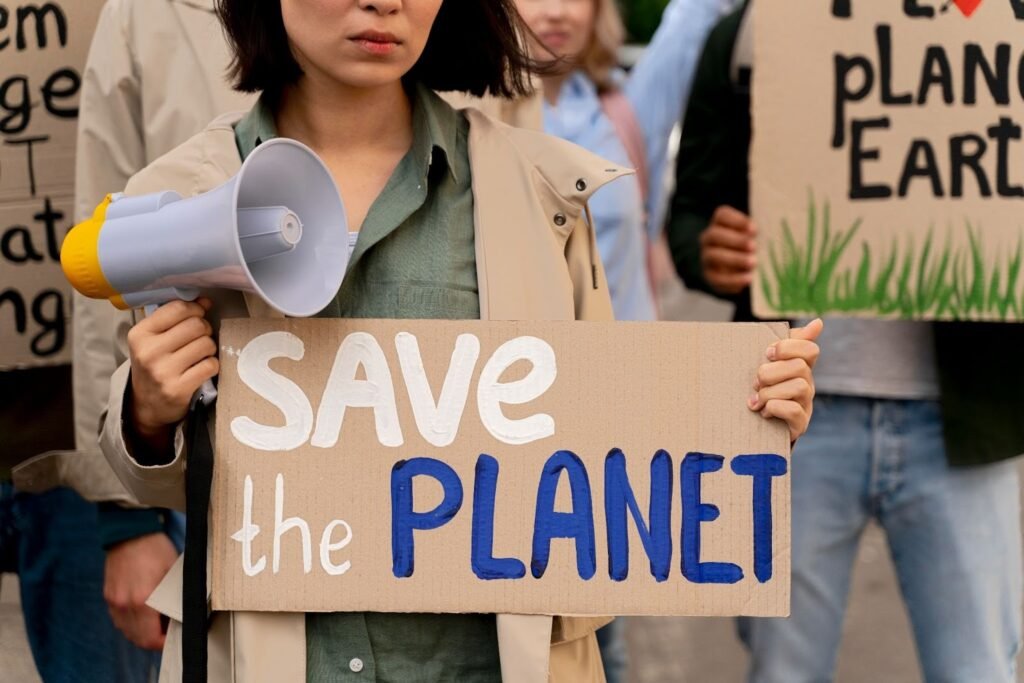
IMPACT OF SOCIAL MEDIA
Social media has emerged as a powerful tool in shaping public discourse around climate change, greatly influencing awareness and engagement on this critical issue. Its vast reach and immediacy enable users to access, share, and discuss essential information about climate-related topics, thereby fostering a sense of urgency and collective responsibility. Social media’s influence extends beyond mere information dissemination; it acts as a catalyst for digital activism, mobilizing individuals and communities to advocate for environmental change.
Key impacts of social media on climate change awareness include:
- Real-time Information Sharing: Social media platforms allow users to share news and research instantly, keeping the public informed about the latest developments in climate science and policy.
- Community Building: Online platforms create spaces for individuals passionate about climate action to connect, share experiences, and collaborate on initiatives.
- Viral Campaigns: Hashtags, challenges, and viral content can rapidly spread awareness and engage a wider audience in climate issues, making it easier to mobilize support.
- Influencer Engagement: Public figures and influencers can leverage their platforms to amplify climate messages, reaching audiences that traditional media may not.
Global Initiatives and Movements
Global initiatives and movements play an essential role in addressing climate change through structured frameworks such as international climate agreements, which aim to unify nations in their efforts to reduce greenhouse gas emissions. Complementing these formal agreements are grassroots activism efforts that mobilize communities to advocate for sustainable practices and policies. Additionally, educational campaigns greatly enhance public awareness and understanding of climate issues, fostering a more informed citizenry capable of driving change at both local and global levels.
International Climate Agreements
Numerous international climate agreements have been established over the past few decades, reflecting a growing recognition of the urgent need to address climate change on a global scale. These agreements underscore the importance of international cooperation in mitigating the effects of climate change and fostering a sustainable future. Particularly, they aim to create binding commitments and frameworks to reduce greenhouse gas emissions and promote adaptation strategies.
Key agreements include:
- The Kyoto Protocol: The first legally binding climate agreement, focusing on reducing emissions from developed countries.
- The Paris Agreement: A landmark accord aiming to limit global temperature rise to below 2 degrees Celsius, with nations setting their own emission reduction targets.
- The Montreal Protocol: Initially focused on phasing out ozone-depleting substances, it has also contributed to climate change mitigation by addressing hydrofluorocarbons (HFCs).
- The Glasgow Climate Pact: A recent agreement that emphasizes the need for enhanced climate commitments and financial support for developing nations.
These climate agreements exemplify the growing consensus that collective action is essential for effective climate governance, enabling nations to work together towards a more resilient planet.
Grassroots Activism Efforts
Mobilizing communities around the world, grassroots activism has emerged as a powerful force in the fight against climate change. This form of activism emphasizes community engagement, empowering individuals to spearhead local initiatives that address environmental concerns. Grassroots movements often focus on unique regional challenges, fostering collaboration among residents, local organizations, and governments to create impactful solutions.
The following table highlights some notable grassroots activism efforts and their key attributes:
| Initiative Name | Location | Focus Area |
| Fridays for Future | Global | Climate Strike Movement |
| Extinction Rebellion | Global | Civil Disobedience |
| 350.org | Global | Carbon Reduction |
| Sunrise Movement | USA | Youth Advocacy |
| Zero Hour | Global | Climate Education |
These grassroots efforts not only raise awareness but also inspire individuals to take ownership of their environment. By promoting local initiatives, these movements cultivate a sense of responsibility and solidarity, ultimately leading to more sustainable practices. The collective power of grassroots activism demonstrates that when communities unite, they can considerably influence climate policy and action on a global scale.
Educational Campaigns Impact
Educational campaigns have emerged as pivotal instruments in raising awareness and understanding of climate change issues across diverse populations. These initiatives not only inform the public but also galvanize community engagement, fostering a collective response to environmental challenges. A successful campaign leverages effective messaging strategies to resonate with various demographics, translating complex scientific concepts into accessible language.
Key elements of these educational campaigns include:
- Targeted Messaging: Tailoring messages to specific audiences enhances relevance and comprehension.
- Interactive Platforms: Utilizing social media and community events promotes active participation and dialogue.
- Partnerships: Collaborating with local organizations amplifies reach and credibility, facilitating grassroots involvement.
- Feedback Mechanisms: Implementing avenues for audience feedback guarantees continuous improvement and adaptation of strategies.
Research indicates that campaigns employing these elements have considerably increased public awareness and prompted behavioral change, ultimately contributing to a more informed citizenry equipped to advocate for climate action. As the global climate crisis intensifies, the role of educational campaigns becomes ever more critical, empowering individuals and communities to take ownership of their environmental impact and pursue sustainable practices.
Personal Actions and Responsibilities
Personal responsibility plays a critical role in the collective effort to combat climate change. Each individual has the power to influence environmental outcomes through daily choices and actions. Adopting sustainable practices not only reduces one’s carbon footprint but also inspires broader societal changes. By recognizing their individual responsibility, people can contribute to the larger goal of environmental sustainability.
The following table outlines simple yet effective personal actions that can be integrated into daily life:
| Action | Impact | Sustainable Practice |
| Reduce Water Usage | Decreases energy required for heating/cooling | Fix leaks, take shorter showers |
| Use Public Transport | Lowers greenhouse gas emissions | Carpool, bike, or use trains/buses |
| Minimize Plastic Waste | Reduces landfill contributions | Use reusable bags, containers |
| Support Local Produce | Lowers transportation emissions | Shop at farmers’ markets |
Engaging in these practices empowers individuals to take ownership of their environmental impact. The cumulative effect of these actions can lead to reduced demand for fossil fuels, conservation of natural resources, and enhanced community resilience against climate change.
Ultimately, fostering a culture of individual responsibility in environmental stewardship not only benefits the planet but also aligns with the principles of freedom and autonomy. By making informed daily choices—such as reducing plastic waste, conserving energy, and choosing eco friendly products—individuals can significantly lower their carbon footprint and support broader climate mitigation efforts.
RELATED STUDIES ABOUT WHAT IS CLIMATE CHANGE AWARENESS
In conclusion, climate change awareness serves as an essential catalyst for collective action, fostering understanding, engagement, and responsibility. As knowledge expands, so too does the potential for transformative change. Education empowers individuals, social media amplifies voices, and global initiatives unite efforts. Each action taken, each conversation initiated, and each commitment fulfilled contributes to a more sustainable future. Ultimately, the urgency to address climate change demands not only awareness but also unwavering dedication to effect meaningful change.
Climate Change Health Communication and its Association with Awareness and Behaviors in South Korea
Objective: This study investigates the relationship between public communication experiences (information-seeking and climate communication) and both awareness of health risks from climate change and actual adaptive behaviors (pro-environmental and health-focused) among adults in South Korea. It aims to assess whether current communication strategies effectively translate awareness into action.
Scope & Methodology: A nationally representative online survey was conducted with 2,000 Korean adults aged 19–64 in September 2024. The study employed a cross-sectional design to measure:
- Communication Experiences: Frequency of seeking information on climate-health impacts and engaging in climate-related activities (e.g., discussions, activism).
- Outcomes: Perceived susceptibility to health risks, pro-environmental behavior, and health adaptation behavior.
- Key Mediators: Climate self-efficacy and perceived social norms.
Analyses included descriptive statistics, group comparisons (t-tests, ANOVA), and regression modeling to identify associations.
Key Findings:
- Communication Does Not Enhance Risk Awareness: Contrary to expectations, increased experience with information-seeking and climate communication was associated with a lower perceived likelihood of personal health risks (death and illness) from climate change. This suggests current communication fails to build accurate personal risk perception.
- Communication Promotes Pro-Environmental Behavior: Both information-seeking and climate communication experiences were positively associated with increased engagement in pro-environmental behaviors (e.g., energy saving, sustainable consumption).
- Communication Promotes Health Adaptation Behavior: Similarly, more frequent communication experiences were linked to greater adoption of specific health-protective behaviors in response to climate change (e.g., following heatwave guidelines).
- Critical Role of Self-Efficacy and Social Norms: The strongest predictor of health risk perception was not communication, but an individual’s climate self-efficacy (belief in one’s ability to make a difference). Both self-efficacy and perceived social norms (belief that others are acting) were strongly and positively associated with all adaptive behaviors.
- Demographic Variations: Higher susceptibility to health risks was found among women, older adults, those with a spouse, and politically progressive individuals. Adaptive behaviors were more common among those with children, living in disaster-prone areas, and with higher baseline awareness.
Conclusions & Implications:
- Ineffective Risk Communication: Current climate-health communication in South Korea is successful in motivating action but fails to improve accurate personal risk awareness. This disconnect may threaten the sustainability of behavioral changes.
- Need for Strategic Reframing: Effective communication must move beyond simply conveying risks. It should:
- Emphasize Solutions and Benefits: Frame messages around the health and economic co-benefits of climate action, rather than solely focusing on threats.
- Boost Self-Efficacy: Provide clear, actionable steps that empower individuals and demonstrate collective impact.
- Leverage Social Norms: Highlight community and societal actions to reinforce positive behaviors.
- Be Tailored and Credible: Develop targeted messages for different stakeholders (policymakers, healthcare workers, public) and ensure they are backed by visible, tangible government action.
Significance: This study highlights a critical gap in South Korea’s public health communication strategy for climate adaptation. It provides evidence that motivating behavior requires a nuanced approach that builds empowerment and social solidarity, not just risk awareness. The findings call for a systematic overhaul of communication strategies to foster a well-informed, efficacious, and proactive public capable of sustaining health-protective behaviors in the face of the climate crisis.
| REFERENCE: Hyeyun Kim, Sumi Chae, Climate change health communication and its association with awareness and behaviors in South Korea, The Journal of Climate Change and Health, Volume 26, 2025, 100583, ISSN 2667-2782, https://doi.org/10.1016/j.joclim.2025.100583. (https://www.sciencedirect.com/science/article/pii/S2667278225000872) |
It Only Works If You Believe In It: How Climate Change Awareness Affects The Effectiveness Of Energy Initiatives
Objective: This study empirically examines the critical role of public climate change awareness in determining the success of government energy initiatives aimed at promoting investments in renewable, solar, and wind energy.
Key Findings:
- Awareness is a Critical Moderator: Climate change awareness significantly enhances the effectiveness of both market-based energy policies (e.g., feed-in tariffs, tax incentives) and energy legislation. The positive impact of these initiatives grows as public awareness increases.
- Threshold Effects Exist: For many initiatives, there is a critical awareness threshold below which policies are ineffective or even counterproductive.
- Market-based policies for renewable and solar energy only become effective when climate change awareness is sufficiently high.
- Solar energy legislation shows a similar pattern: it can negatively impact investment at very low awareness levels but becomes positive at higher levels.
- Variation by Energy Type:
- The results are strongest and most consistent for solar energy initiatives.
- Findings for wind energy are less clear, likely due to social opposition related to land use and visual impact, which can persist even among environmentally aware groups.
- Country-Specific Effectiveness: As of 2022, only a subset of (mostly advanced) economies had awareness levels high enough to ensure the effectiveness of renewable energy policies (e.g., Italy, France, Germany, Switzerland, Israel). In many other countries, low awareness renders policies potentially ineffective.
- Complementary Actions: The study finds a synergistic relationship between awareness and policy. Raising awareness makes existing policies more effective, and implementing policies in a high-awareness context yields greater results. Therefore, the most efficient strategy is to act on both dimensions simultaneously.
Policy Implications:
- Primacy of Awareness Building: Before or alongside implementing costly energy initiatives, governments must prioritize public education, communication, and dissemination of scientific findings on climate change to raise awareness above critical thresholds.
- Tailored Approaches: Policymakers must consider that the required awareness level and policy effectiveness vary by energy source (solar vs. wind) and policy type (market-based vs. legislative).
- International Coordination: Cross-country cooperation is essential to enhance global climate knowledge and awareness, as the current group of countries with sufficiently high awareness is small.
- Timing is Key: To avoid a vicious cycle of low awareness and policy failure, the timing of policy rollout should be carefully aligned with efforts to boost public understanding and concern.
Methodology:
- Data: Panel dataset of 53 countries from 2004 to 2022.
- Key Variables:
- Dependent: Investments proxied by installed electricity capacity for renewables, solar, and wind.
- Independent: Market-based policy indices, counts of energy legislation, and an interaction term with climate change awareness.
- Awareness Proxy: Google Trends Search Volume Index (SVI) for the topic “climate change.”
- Model: Dynamic panel model estimated using a two-step system GMM estimator to address endogeneity and reverse causality.
Conclusion:
The transition to sustainable energy is not just a matter of designing the right policies or laws. Their success is contingent on public belief and concern. Climate change awareness is not merely a complementary factor but a fundamental precondition for the effectiveness of energy initiatives. Policymakers must, therefore, integrate strategic awareness-building campaigns into the core of their energy transition strategies.
| REFERENCE: Donatella Baiardi, Enrico Cristofoletti, Mario Menegatti, It only works if you believe in it: How climate change awareness affects the effectiveness of energy initiatives, Energy Economics, Volume 151, 2025, 108912, ISSN 0140-9883, https://doi.org/10.1016/j.eneco.2025.108912. (https://www.sciencedirect.com/science/article/pii/S014098832500739X) |
Actionable Information And Climate Change Awareness Drive Consumer Selection Of Environmentally Beneficial Garden Plants
Objective: This study investigates how the presentation of information influences domestic gardeners’ plant choices, specifically their willingness to select plants with traits beneficial for mitigating urban environmental issues like flooding and air pollution. It also examines the role of climate change awareness in driving pro-environmental gardening behavior.
Key Findings:
- “Action-Related Information” Drives Change: Providing gardeners with specific, actionable information about plant traits (e.g., hairy leaves capture pollution, “thirsty” plants mitigate flooding) significantly altered plant preferences. Participants who received this information were more likely to choose environmentally beneficial plants and less likely to choose purely ornamental options, compared to those who received only general “system information” about climate problems.
- Climate Change Concern is a Powerful Motivator: A participant’s level of concern about climate change was a strong and independent predictor of their willingness to choose environmentally beneficial plants in the future. This effect was consistent across both information groups, indicating that pre-existing environmental concern is a key lever for promoting sustainable gardening practices.
- Aesthetics Took a Back Seat: Contrary to much existing literature, aesthetic preference was not a significant driver for plant selection in this experimental context when environmental information was provided. This suggests that when actionable ecological benefits are clearly communicated, they can override or diminish the primacy of visual appeal.
- Prior Gardening Knowledge Helps but is Incomplete: Participants with gardening experience or qualifications had greater baseline awareness of some ecosystem services (e.g., wildlife support). However, this knowledge did not extend to understanding the benefits of specific traits like high transpiration rates for flood mitigation, highlighting a key gap in current gardener education.
- Effective Communication Model: The study supports a communication framework where combining “system information” (the problem) with “action-related information” (the solution) is most effective for changing behavior, aligning with the Theory of Planned Behavior.
Policy and Practice Implications:
- Promote Actionable Labelling: Industry and retailers (e.g., garden centers) should adopt clear labeling schemes (similar to the RHS “Plants for Pollinators” initiative) that highlight specific environmental benefits of plants (e.g., “flood-mitigating,” “air-purifying”).
- Leverage Climate Concern: Public outreach and educational campaigns should explicitly link sustainable gardening choices to climate change adaptation and mitigation, tapping into existing public concern as a primary motivator.
- Target Educational Gaps: Extension services and horticultural bodies should develop resources to educate gardeners about the functional traits of plants (like transpiration rates and leaf structures) and their role in solving local environmental problems.
- Collaborative Approach: A coordinated effort among policymakers, NGOs, plant producers, and retailers is needed to mainstream environmentally functional planting, transforming private gardens into a network of green infrastructure that can address city-scale challenges like urban heat and flooding.
Methodology:
- Design: Online experimental survey with 419 participants randomly assigned to one of two groups.
- Groups:
- “System Information” Group (n=208): Received basic facts about climate change, flooding, and air quality.
- “Action-Related Information” Group (n=211): Received condensed system information plus specific recommendations on plant traits that help mitigate flooding and pollution.
- Task: Participants selected preferred plants from six options (with known beneficial or neutral traits) before and after receiving the information.
- Analysis: Statistical models (ordinal regression) were used to analyze changes in knowledge, plant preferences, and the drivers behind those changes.
Conclusion:
To harness the significant potential of domestic gardens for urban climate adaptation, simply raising awareness of environmental problems is insufficient. Providing clear, actionable guidance on how to choose beneficial plants, combined with appealing to existing climate change concerns, is a highly effective strategy to shift gardening practices. This approach can empower private gardeners to make choices that collectively enhance urban ecosystem services.
| REFERENCE: Caitlin L. McLaughlin, Tijana Blanuša, Ross Cameron, Martin Lukac, Simone Pfuderer, Jacob Bishop, Actionable information and climate change awareness drive consumer selection of environmentally beneficial garden plants, Landscape and Urban Planning, Volume 266, 2026, 105522, ISSN 0169-2046, https://doi.org/10.1016/j.landurbplan.2025.105522. (https://www.sciencedirect.com/science/article/pii/S0169204625002294) |