
Today, you can support several impactful environmental advocacy groups that are making a difference. The Sierra Club, founded in 1892, focuses on renewable energy and social equity. Greenpeace, recognized for its direct action since 1971, addresses climate change and ocean protection. The World Wildlife Fund works to conserve biodiversity and promote sustainable practices. The Nature Conservancy emphasizes land and water conservation. Additionally, 350.org mobilizes grassroots efforts against climate change, while Earthjustice utilizes legal avenues to protect the environment. By supporting these organizations, you can be part of the solution and learn about their innovative approaches and initiatives.
KEY TAKEAWAYS
- Sierra Club: Join one of the oldest environmental organizations focused on renewable energy and social equity initiatives for a sustainable future.
- Greenpeace: Support direct action campaigns addressing climate change, deforestation, and ocean protection to promote environmental justice globally.
- World Wildlife Fund (WWF): Contribute to global conservation efforts for endangered species and sustainable practices through community engagement and policy influence.
- Oceana: Help protect and restore oceans by advocating for sustainable fishing practices and reducing pollution impacting marine ecosystems.
- Earthjustice: Back legal efforts to protect the environment and amplify marginalized voices in climate discussions through community engagement and support initiatives.
SIERRA CLUB
The Sierra Club, one of the oldest and most influential environmental advocacy organizations in the United States, has played a pivotal role in shaping conservation policies since its founding in 1892. With a mission to explore, enjoy, and protect the planet, the Sierra Club has mobilized millions of members to advocate for environmental justice and sustainable practices. Environmental management refers to the coordinated planning of activities and resources to meet intended objectives. Environmental management comprises practice, regulation, and policy established to reduce ecological degradation and sustainability.
Sierra Club membership benefits extend beyond mere affiliation; members gain access to a wealth of resources, including educational materials, expert-led outings, and opportunities to engage in grassroots activism. These benefits empower individuals to actively participate in environmental initiatives, fostering a sense of community among like-minded advocates. Members also receive exclusive invitations to events, workshops, and webinars, all designed to deepen their understanding of pressing environmental issues and promote the adoption of eco friendly products in daily life.
The Sierra Club initiates numerous campaigns aimed at addressing climate change, promoting clean energy, and protecting public lands. Notable initiatives include the Beyond Coal campaign, which seeks to close coal-fired power plants in favor of renewable energy sources, and the Ready for 100 campaign, advocating for cities to shift to 100% renewable energy. These initiatives not only work toward ecological preservation but also emphasize the importance of social equity and community resilience.
Supporting the Sierra Club means contributing to a movement that champions freedom through environmental stewardship. By advocating for policies that protect natural resources, the organization enables individuals to reclaim their agency in the fight for a sustainable future. Engaging with the Sierra Club can therefore be seen as an investment in both personal empowerment and collective environmental action.
Greenpeace
Founded in 1971, Greenpeace has emerged as a formidable force in the global environmental movement, advocating for the protection of the planet through direct action, lobbying, and public engagement. With a rich history marked by significant campaigns, Greenpeace has continuously sought to challenge environmental injustices and promote sustainable practices.
Throughout its existence, Greenpeace has launched numerous campaigns that have garnered international attention and support. Here are four crucial areas of focus:
- Climate Change: Greenpeace campaigns against fossil fuel dependency, advocating for renewable energy sources and policies to mitigate climate change impacts.
- Deforestation: The organization actively works to stop deforestation, targeting industries that contribute to the destruction of essential ecosystems like the Amazon rainforest.
- Ocean Protection: Through initiatives that combat overfishing and plastic pollution, Greenpeace aims to safeguard marine biodiversity and promote sustainable fishing practices.
- Nuclear Disarmament: Greenpeace has a long-standing commitment to nuclear disarmament, campaigning for the cessation of nuclear weapons testing and the promotion of peace.
Greenpeace’s history is one of resilience and innovation, utilizing creative methods to raise awareness and inspire action. Its campaigns are not merely about raising alarms; they seek to empower individuals and communities to take charge of their environmental legacies. By supporting Greenpeace, you join a global movement committed to protecting the planet and advocating for a sustainable future, embodying the spirit of freedom that comes with environmental stewardship.
World Wildlife Fund
The World Wildlife Fund (WWF) is dedicated to the conservation of the world’s biological diversity, advocating for sustainable practices that protect habitats and species. Its mission encompasses addressing climate change, reducing human impact on the environment, and promoting renewable resources. Supporters can contribute through donations, advocacy, and participation in conservation programs, amplifying efforts to secure a sustainable future for wildlife and ecosystems.
Environmental organizations and activists play a key role in the context of natural resource
exploitation and environmental protection. Their opinions are essential to holding powerful
economic actors, including states, accountable, pressuring governments and private industries to commit to higher environmental standards, defending marginalized and indigenous populations from land-based exploitation, and exposing projects that could lead to environmental degradation.
Mission and Goals
World Wildlife Fund’s mission embodies a commitment to conserving nature and reducing the most pressing threats to the diversity of life on Earth. Through impactful advocacy strategies, WWF aims to foster a sustainable future by addressing critical environmental issues. Their mission statements reflect a dedication to the following goals:
- Global Initiatives: Collaborating internationally to protect endangered species and their habitats.
- Community Engagement: Empowering local communities to actively participate in conservation efforts, guaranteeing that sustainability is a shared responsibility.
- Environmental Education: Raising awareness and understanding of environmental challenges, promoting informed decision-making among individuals and organizations alike.
- Policy Influence: Advocating for effective policies that support wildlife conservation and sustainable practices at local, national, and global levels.
WWF also emphasizes the importance of grassroots mobilization and fundraising efforts to guarantee the longevity of their projects. By engaging with supporters and fostering a sense of ownership in conservation, they create a powerful movement for change. Through these multifaceted approaches, the World Wildlife Fund not only protects biodiversity but also champions the freedom of future generations to thrive in a healthy environment.
How to Contribute
For those looking to make a positive impact on global conservation efforts, supporting the World Wildlife Fund (WWF) offers various avenues to contribute meaningfully. The WWF implements effective fundraising strategies to support its mission, and individuals can join in these efforts through different channels.
Here’s a look at some ways you can contribute:
| Contribution Type | Description | Impact |
| Monetary Donations | Direct financial support helps fund conservation projects. | Funds research and protection of endangered species. |
| Fundraising Events | Participate in or organize events like walks or runs. | Raises awareness and engages the community. |
| Volunteering | Sign up for local initiatives or global projects. | Contributes hands-on support to conservation efforts. |
| Corporate Partnerships | Collaborate with businesses to amplify conservation messages. | Expands reach and resources for essential projects. |
| Advocacy Campaigns | Join campaigns to promote environmental policies. | Influences legislation and public opinion. |
The Nature Conservancy
Countless individuals and communities benefit from the initiatives led by The Nature Conservancy, a renowned global environmental organization dedicated to conserving the lands and waters upon which all life depends. With a mission to address the urgent need for habitat preservation, The Nature Conservancy employs innovative conservation strategies tailored to suit diverse ecosystems worldwide.
The organization focuses on several key areas to maximize its impact:
- Land and Water Protection: The Nature Conservancy works to safeguard essential habitats through acquisition and management of natural areas, ensuring these ecosystems thrive for future generations. By promoting sustainable agriculture and forestry, the organization helps communities balance human needs with environmental advocacy and stewardship, fostering ecological resilience.
- Sustainable Practices: By promoting sustainable agriculture and forestry, the organization helps communities balance human needs with environmental stewardship, fostering ecological resilience.
- Climate Change Mitigation: Through research and advocacy, The Nature Conservancy seeks to reduce carbon emissions and enhance ecosystem adaptability, addressing one of the most pressing challenges of our time.
- Community Engagement: The organization actively involves local communities in conservation efforts, empowering them with the knowledge and resources needed to protect their natural surroundings.
350.ORG
Numerous organizations dedicated to environmental advocacy operate under the .org domain, signifying their commitment to non-profit missions aimed at fostering sustainability and conservation. These groups employ diverse advocacy strategies to mobilize public support, educate communities, and influence policy change. The .org domain serves as a trusted marker for individuals seeking to engage with entities that prioritize ecological integrity and social responsibility.
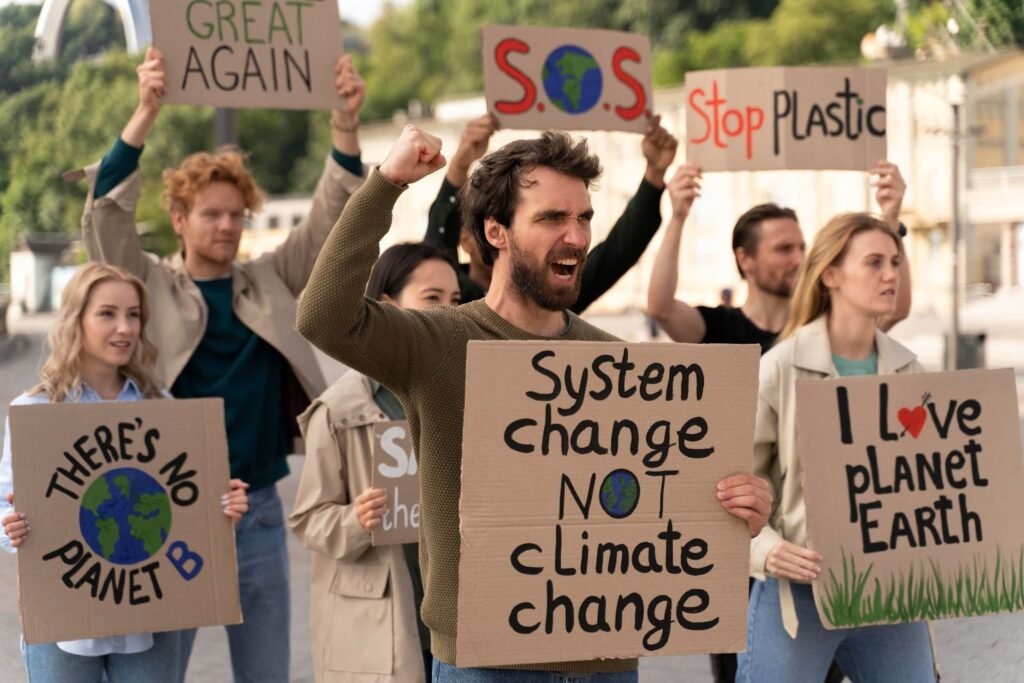
The effectiveness of these organizations often hinges on their ability to implement grassroots mobilization efforts. By rallying local communities and empowering individuals to take action, these environmental activism groups create a powerful network of advocates who drive change from the ground up. Whether through organized events, social media campaigns, or collaborative initiatives, grassroots mobilization helps to amplify voices that might otherwise go unheard.
Furthermore, many .org organizations focus on critical issues such as climate change, wildlife preservation, and environmental justice. They work tirelessly to guarantee that the concerns of marginalized communities are addressed, recognizing that environmental issues disproportionately impact those with limited resources. This intersectional approach enhances the relevance and urgency of their advocacy strategies.
In an increasingly interconnected world, supporting .org environmental advocacy groups not only contributes to tangible change but also fosters a sense of community among like-minded individuals. By participating in these initiatives, supporters can play an active role in shaping policies that reflect their values and aspirations for a sustainable future. Engaging with these organizations represents a commitment to freedom—freedom for the planet and for future generations to thrive.
Earthjustice
Earthjustice is a leading nonprofit organization dedicated to using the power of the law to protect the environment and promote justice. Its mission encompasses a broad range of goals, including fighting climate change, safeguarding wildlife, and ensuring clean air and water for all communities. Contributing to Earthjustice not only supports these critical initiatives but also empowers individuals to take an active role in preserving the planet for future generations. Climate change continues to increase the rate of extreme weather events, disrupt ecosystems, and cause sea levels to rise, according to the National Oceanic and Atmospheric Administration. The Intergovernmental Panel on Climate Change (IPCC) AR6 Synthesis Report finds that global greenhouse gas (GHG) emissions are likely to exceed 1.5ºC during the 21st century, making it harder to limit warming below 2ºC.
Mission and Goals
How does Earthjustice work to protect the environment and promote justice? Earthjustice is dedicated to advancing sustainable practices and ensuring a healthier planet for all. Their mission revolves around using the power of the law to fight for environmental justice, focusing on several key goals:
- Policy Advocacy: They work tirelessly to influence environmental policies at local, state, and national levels, ensuring that laws reflect the urgency of climate action.
- Biodiversity Conservation: Earthjustice prioritizes protecting ecosystems and wildlife, recognizing that biodiversity is critical for ecological balance and human well-being.
- Environmental Education: They engage in initiatives that educate communities about environmental issues, empowering individuals to advocate for their rights and the planet’s health.
- Community Engagement: Earthjustice collaborates with grassroots organizations to amplify voices often marginalized in environmental discussions, fostering inclusive participation in the fight for justice.
Through these efforts, Earthjustice not only addresses immediate environmental concerns but also cultivates a movement that emphasizes justice, equity, and sustainable practices for future generations. Their holistic approach underscores the interconnectedness of environmental health and societal well-being, making them a pivotal force in the ongoing struggle for a just and sustainable world.
How to Contribute
Supporting Earthjustice provides individuals and organizations with a meaningful opportunity to contribute to the fight for environmental justice. This esteemed nonprofit harnesses the power of the law to protect natural resources and uphold the rights of communities affected by environmental degradation. To support their mission, there are various avenues available that can amplify your impact.
One effective way to contribute is through fundraising ideas that resonate with your community. Organizing events such as eco-friendly fairs, clean-up drives, or educational workshops can not only raise funds but also foster awareness around critical environmental issues. Additionally, consider hosting online crowdfunding campaigns to reach a broader audience and mobilize support.
Moreover, engaging in volunteer opportunities with Earthjustice allows you to be directly involved in their initiatives. Whether it’s assisting in advocacy efforts, participating in legal research, or helping with outreach programs, your time and skills can make a significant difference.
Oceana
Oceana stands out as a leading organization dedicated to the protection and restoration of the world’s oceans. With a focus on marine conservation, Oceana employs science-based advocacy to influence policy and enforce laws that safeguard marine ecosystems. Their commitment to ocean protection is evident through their strategic initiatives that tackle pressing issues threatening marine biodiversity.
Oceana’s multifaceted approach includes:
- Campaigning for Sustainable Fishing: Advocating for responsible fishing practices to prevent overfishing and guarantee the long-term health of fish populations.
- Protecting Critical Habitats: Identifying and securing essential marine habitats, such as coral reefs and seagrass beds, crucial for diverse marine life.
- Reducing Ocean Pollution: Working to minimize pollution from plastics and other harmful substances that jeopardize marine ecosystems and species.
- Promoting Renewable Energy: Supporting the shift to renewable energy sources that reduce dependency on fossil fuels, thereby mitigating their impact on ocean health.

Conclusion
In the ongoing battle for environmental preservation, advocacy groups serve as essential sentinels, tirelessly championing the planet’s health. Supporting these organizations not only amplifies their efforts but also contributes to a collective movement toward sustainable change. Each contribution acts as a drop in an ocean of activism, fostering a tide of awareness and action that can reshape policies and protect ecosystems. Engaging with these groups cultivates a shared responsibility for the Earth, nurturing a legacy for future generations.
Gender And The Environmental Health Agenda: A Qualitative Study Of Policy, Academic, And Advocacy Perspectives In Peru
Objective:
This study explores the integration of gender-sensitive approaches within environmental health research, advocacy, and policy in Peru—a country highly vulnerable to climate change and environmental degradation. The research aimed to understand how gender is prioritized, the nature of intersectoral collaboration, and the barriers and facilitators to implementing gender-oriented environmental health projects.
Key Findings:
- Varied Definitions and Priorities of Environmental Health:
- Definitions of environmental health varied across sectors: NGOs emphasized balance and reciprocity with nature (aligned with Indigenous worldviews), while academics and government officials focused on hazards, human health, and ecosystems.
- This conceptual misalignment contributed to fragmented responsibility and accountability for addressing environmental threats.
- Limited and Uneven Integration of Gender:
- While NGOs explicitly centered women in their work, gender sensitivity was inconsistently applied across academia and public policy.
- Projects often tokenized women’s participation (e.g., counting female attendees) without addressing structural inequities or ensuring meaningful engagement.
- Women’s vulnerability was frequently framed around maternal and reproductive health, overlooking broader impacts on mental health, economic security, and gender-based violence.
- Structural Barriers to Collaboration and Implementation:
- Patriarchal norms (“machismo”) permeated institutions and communities, hindering women’s leadership and participation.
- High staff turnover in government impeded long-term project continuity and intersectoral collaboration.
- Funding agendas set by Global North institutions often dictated local priorities, misaligning with community needs.
- Corruption, weak governance, and lack of state presence undermined project effectiveness and sustainability.
- Intersectional Vulnerabilities:
- Indigenous women, rural communities, LGBTQI+ individuals, and victims of gender-based violence were identified as especially vulnerable yet often invisible in policy and research.
- Participants emphasized the need for intersectional approaches that recognize diverse identities and vulnerabilities.
- Empowerment as a Pathway Forward:
- Successful initiatives often involved women-led associations, economic networks, and leadership training.
- Women’s empowerment was seen as crucial for effective program delivery and community resilience.
- Participants called for gender-transformative (not just gender-sensitive) approaches that challenge structural inequalities.
- Recommendations for Improvement:
- Foster transdisciplinary and intersectoral collaboration built on trust, transparency, and long-term engagement.
- Ensure community-centered, bottom-up approaches that prioritize local voices, especially Indigenous women.
- Design projects with childcare, flexible timing, and women-only spaces to enable meaningful participation.
- Address systemic issues like racism, colonialism, and economic inequality alongside environmental health interventions.
Conclusion:
The study highlights a significant gap between the urgent need for gender-integrated environmental health initiatives in Peru and the structural and cultural barriers that impede their implementation. Effective action requires moving beyond tokenism to embrace intersectional, empowering, and collaborative strategies that center the most vulnerable and address the root causes of inequality. Future research should include more diverse voices—particularly men and Indigenous communities—and explore participatory, community-led solutions to foster equitable environmental health outcomes.
| REFERENCE: Laura J. Brown, Billie M. Turner, Victoria Cavero, Elaine C. Flores, Gender and the environmental health agenda: A qualitative study of policy, academic, and advocacy perspectives in Peru, The Journal of Climate Change and Health, Volume 10, 2023, 100217, ISSN 2667-2782, https://doi.org/10.1016/j.joclim.2023.100217. (https://www.sciencedirect.com/science/article/pii/S2667278223000160) |
Corporate Concessions: Opportunity Or Liability For Climate Advocacy Groups?
This study examines the impact of corporate concessions on climate advocacy groups, using the first 15 years of the UN climate negotiations (1990–2004) as a historical case. It analyzes how shifts in the climate policy positions of major oil companies—from opposition to collaboration—affected the strategies, influence, and cohesion of environmental non-governmental organizations (ENGOs).
Key Findings:
- Corporate Realignments Shifted Advocacy Terrain
- In 1997, following sustained pressure from ENGOs, companies like BP and Shell shifted from obstructing climate policy to supporting precautionary action and the Kyoto Protocol.
- This split within the oil industry created new opportunities and challenges for ENGOs, altering their advocacy activities, framing strategies, policy access, and internal coordination.
- Mixed Outcomes for ENGOs
- Environmental Defense Fund (EDF): Benefited significantly through partnerships with BP and Shell, advancing its agenda on emissions trading and gaining greater access to UN negotiations.
- Climate Justice NGOs: Viewed corporate concessions as “greenwashing” and shifted focus away from UN processes, organizing alternative summits and grassroots campaigns against fossil fuel capitalism.
- Greenpeace International (GPI): Adopted a hybrid approach—criticizing continued oil extraction while acknowledging renewable investments—but moved much of its activism outside UN venues.
- Pathways of Influence Identified
Corporate concessions affected ENGOs through four key pathways:
- Activities: Increased campaign activity for all groups, but with different targets (partners vs. adversaries).
- Framing: Reinforced existing frames for EDF and climate justice groups, but created tension for GPI.
- Access: Enhanced insider status for collaborative ENGOs like EDF; marginalized radical groups.
- Cross-Group Coordination: Exacerbated divisions within the Climate Action Network, particularly between reformist and radical factions.
- Radical Flank Dynamics
- The presence of radical groups helped create pressure for corporate concessions.
- However, once concessions were made, moderate ENGOs (like EDF) gained prominence, while radical voices were marginalized—a “negative radical flank effect.”
- Coordination as Critical Factor
- The ability of ENGOs to leverage industry splits depended on internal coordination. Fragmentation reduced movement leverage and allowed corporate allies to partner with the least challenging advocacy voices.
Conclusion
Corporate concessions are a double-edged sword for climate advocacy movements. While they can provide resources, access, and validation for moderate organizations, they may also co-opt advocacy frames, demobilize radical factions, and deepen internal divisions. Success in leveraging elite realignments depends heavily on strategic coordination across the movement and the maintenance of diverse tactics and voices.
Implication for Current Advocacy:
Today’s efforts to engage corporations in decarbonization must navigate similar dynamics. Movements must balance collaboration with vigilance to ensure that corporate partnerships do not dilute ambitious climate goals or silence systemic critiques of fossil fuel economies.
| REFERENCE: Simone Pulver, Corporate concessions: Opportunity or liability for climate advocacy groups?, Global Environmental Change, Volume 81, 2023, 102689, ISSN 0959-3780, https://doi.org/10.1016/j.gloenvcha.2023.102689. (https://www.sciencedirect.com/science/article/pii/S0959378023000559) |
Integrating Environmental And Entrepreneurship Advocacy Into Enviropreneurship Through Green Supply Chain Management, Waste Management, And Green Innovation: A Study On Smes Of Us
This study investigates the transition from environmental advocacy to “enviropreneurship”—a business approach that prioritizes sustainability and environmental improvement—within US small and medium-sized enterprises (SMEs). It examines how Green Supply Chain Management (GSCM) practices, supported by Waste Management and Green Innovation, directly and indirectly enhance Enviropreneurship Performance.
Key Findings:
- GSCM is a Critical Driver:
The implementation of GSCM practices (e.g., green design, operations, purchasing) has a significant positive impact on:
- Waste Management practices within firms.
- The development and adoption of Green Innovations.
- Overall Enviropreneurship Performance, which includes environmental, economic, and operational benefits.
- Dual Mediating Pathways:
The relationship between GSCM and superior Enviropreneurship Performance is strengthened through two key mediators:
- Waste Management: Effective waste handling and reduction policies translate GSCM efforts into better environmental and business outcomes.
- Green Innovation: Technological and process innovations (both managerial and operational) are crucial for converting GSCM into competitive advantage and sustainability performance.
- All Hypotheses Supported:
The structural equation modeling (SEM) analysis of 835 supply chain professionals confirmed all direct and indirect relationships in the research model. This provides strong empirical evidence that integrating these three elements—GSCM, waste management, and green innovation—creates a synergistic effect that boosts SME performance in a sustainable manner.
- Theoretical and Practical Validation:
The study successfully applies the Resource-Based View (RBV) theory, demonstrating that GSCM, waste management, and green innovation constitute valuable, unique resources that SMEs can leverage for sustainable competitive advantage.
Managerial Implications:
- Integrate Green Practices Holistically: SME managers should not adopt GSCM, waste management, or innovation in isolation. A coordinated strategy is essential for maximizing performance gains.
- Focus on Innovation and Waste Reduction: Prioritizing R&D in green technologies and establishing robust waste management protocols are proven pathways to cost savings, regulatory compliance, enhanced brand reputation, and improved stakeholder relationships.
- Cultivate an Enviropreneurial Culture: Moving beyond basic environmental compliance to embrace “enviropreneurship” can unlock new market opportunities, foster resilience, and ensure long-term viability in an increasingly eco-conscious economy.
Conclusion:
For SMEs in the US and similar developed economies, the path to superior entrepreneurial performance is increasingly green. This research provides a validated framework showing that Green Supply Chain Management, when coupled with dedicated Waste Management policies and a commitment to Green Innovation, effectively drives Enviropreneurship Performance. This transition enables businesses to achieve sustainability goals while enhancing profitability and competitiveness.
| REFERENCE: Rizwana Rasheed, Aamir Rashid, Noor Aina Amirah, Rashid Hashmi, Integrating environmental and entrepreneurship advocacy into enviropreneurship through green supply chain management, waste management, and green innovation: A study on SMEs of US, Cleaner Engineering and Technology, Volume 21, 2024, 100768, ISSN 2666-7908, https://doi.org/10.1016/j.clet.2024.100768. (https://www.sciencedirect.com/science/article/pii/S266679082400048X) |