
Invasive species pose significant threats to biodiversity by outcompeting native organisms and disrupting ecological balance. These non-native species exploit resources without the checks provided by natural predators, leading to habitat alteration and population declines. Mechanisms such as global trade, urbanization, and agricultural practices facilitate their spread. The resulting competition can lead to local extinctions, eroding genetic diversity and destabilizing ecosystems. Additionally, invasive species can introduce diseases that further threaten native wildlife. Understanding these dynamics is essential for effective management and conservation strategies, highlighting the urgent need for proactive measures to protect biodiversity from these formidable threats. Insights into this topic reveal critical avenues for action.
KEY TAKEAWAYS
- Invasive species disrupt local ecosystems by outcompeting native species for resources, leading to declines and possible extinctions.
- They alter habitats, affecting nutrient cycling and water availability, which destabilizes ecosystem dynamics.
- Invasive predators can significantly increase the mortality rates of native species due to the lack of evolved defenses.
- Climate change enhances the resilience of invasive species, making native species more vulnerable and exacerbating biodiversity loss.
- Effective management strategies, including prevention and public awareness, are essential in combating the threats posed by invasive species.
DEFINITION OF INVASIVE SPECIES
In the context of ecological studies, invasive species are defined as non-native organisms that, when introduced to a new habitat, disrupt local ecosystems and outcompete native species for resources. These biological invasions can greatly alter habitat structures and species interactions, thereby undermining the ecological resilience of affected environments. Invasive species often thrive due to a lack of natural predators, allowing them to proliferate and monopolize available resources, which can lead to the decline or extinction of native species.
The introduction of invasive organisms can result in considerable habitat alteration, as they may outcompete native flora for light, nutrients, and water. This competitive advantage not only decreases the genetic diversity among native populations but also undermines native adaptations that have evolved over millennia to optimize survival within specific ecosystems. As a consequence, the loss of native species directly impacts ecosystem services, such as pollination, nutrient cycling, and water filtration, essential for maintaining ecological balance.
Human influence is a critical factor in facilitating the spread of invasive species, often through global trade and transportation networks. This anthropogenic factor exacerbates the challenges of managing biological invasions, as invasive species can easily establish themselves in new environments, further disrupting ecological dynamics. Ultimately, the persistence and spread of invasive species pose a considerable threat to biodiversity, challenging the integrity and functionality of ecosystems that are crucial for sustaining life and promoting freedom within natural habitats.
Mechanisms of Invasion
Understanding the mechanisms of invasion is essential for mitigating the ecological and economic impacts of invasive species. Key pathways of introduction, such as global trade and transportation, facilitate the spread of these organisms, while ecological impact factors—including habitat alteration and resource availability—affect their establishment and proliferation. Additionally, the dynamics of competition and predation play significant roles in determining the success of invasive species in native ecosystems, often leading to the decline of indigenous species and altering community structures.
Pathways of Introduction
The pathways of introduction for invasive species are multifaceted mechanisms that facilitate their entry and establishment in new ecosystems. One significant pathway is ballast water from ships, which often carries a plethora of aquatic organisms. This unintentional transport allows species to colonize foreign waters, leading to ecological imbalance. Similarly, the horticultural trade introduces non-native plants, many of which escape cultivation and thrive in the wild, often outcompeting local flora.
The pet trade also serves as a conduit for invasive species, with exotic animals being released or escaping into local environments. In agricultural practices, the movement of crops and livestock can inadvertently promote the spread of invasive pests and diseases. Global trade further exacerbates the situation by increasing the likelihood of species moving across borders, often without adequate biosecurity measures.
Additionally, habitat disturbance caused by urbanization, deforestation, and agriculture creates opportunities for invasive species to establish themselves in new environments. Collectively, these pathways underscore the complexities of invasion dynamics and highlight the pressing need for effective management strategies to mitigate the impacts of invasive species on biodiversity.
Ecological Impact Factors
While various ecological impact factors contribute to the success of invasive species, their mechanisms of invasion can be categorized into several key processes that affect native ecosystems. Habitat alteration is one of the primary mechanisms, as invasive species often modify environments in ways that favor their own proliferation while undermining ecosystem resilience. This alteration can lead to significant landscape changes, disrupting established species interactions and diminishing the capacity of native organisms to adapt.
Furthermore, genetic pollution occurs when invasive species interbreed with native populations, resulting in hybridization that can erode the genetic integrity of native species. This loss of genetic diversity may impair their ability to adapt to environmental changes, consequently increasing the risk of biodiversity loss.
Invasive traits, such as rapid growth and high reproductive rates, enable these species to outcompete natives and trigger trophic cascades that further destabilize ecosystems. Human activities, including global trade and habitat destruction, have facilitated these invasions, exacerbating the challenges faced by native species. Ultimately, the combined effects of these mechanisms underscore the urgent need for effective management strategies to mitigate the impact of invasive species on biodiversity.
Competition and Predation Effects
Among the various mechanisms of invasion, competition and predation effects play critical roles in shaping the dynamics of native ecosystems. Invasive species often exhibit behavioral adaptations that enhance their competitive edge, allowing them to exploit resources more effectively than native species. For instance, invasive plants may develop more aggressive root systems or altered growth patterns that enable them to outcompete local flora for sunlight and nutrients. This competitive exclusion can lead to significant declines in native populations, disrupting established ecological balances.
In terms of predation, invasive predators can dramatically alter the prey dynamics within an ecosystem. Native species often lack evolved defenses against these new threats, resulting in increased mortality rates and decreased reproductive success. For example, the introduction of non-native fish species into freshwater ecosystems has led to the decline of indigenous fish populations, as these invaders often possess superior foraging strategies and reproductive rates.
These mechanisms of competition and predation not only threaten individual species but also compromise ecosystem resilience, reinforcing the need for a strong biodiversity conservation introduction that emphasizes early intervention and long-term ecological balance. By altering resource utilization patterns and disrupting trophic interactions, invasive species can fundamentally reshape the landscape of biodiversity, underscoring the need for proactive management strategies.
IMPACT ON NATIVE SPECIES
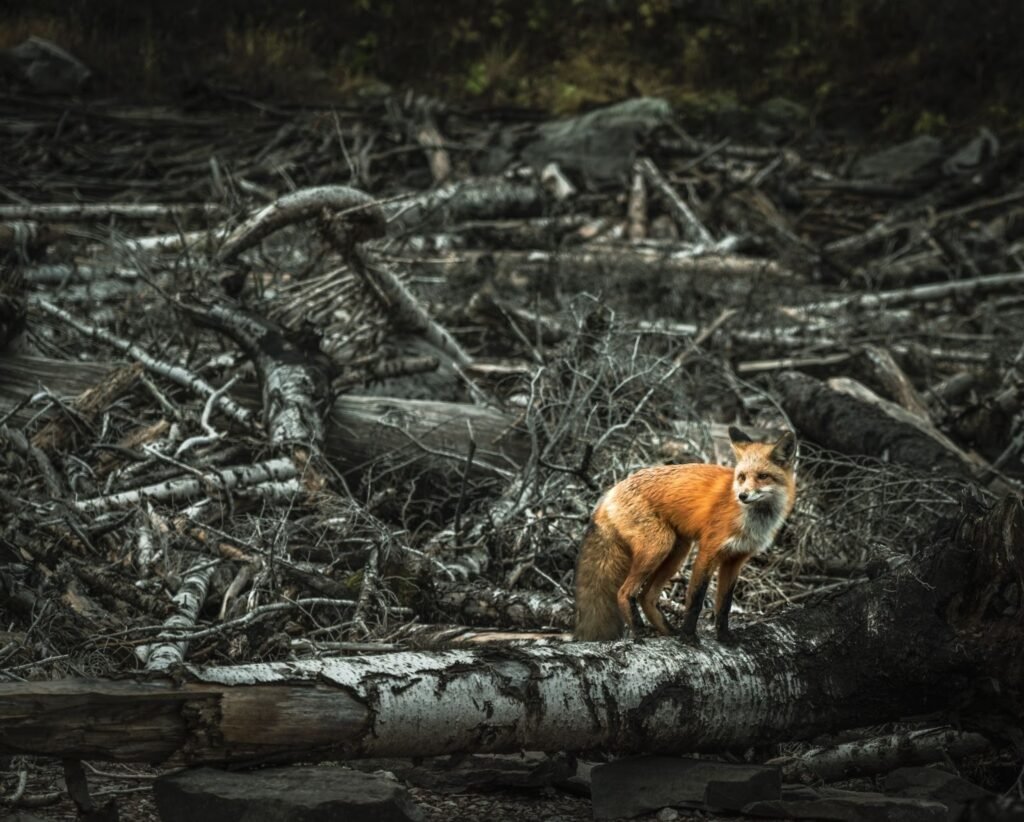
The introduction of invasive species often results in significant competition for resources among native species, leading to declines in their populations. In addition to resource competition, invasive species can introduce novel predation pressures and facilitate the spread of diseases that native species are ill-equipped to combat. Collectively, these impacts disrupt established ecological balances, threatening biodiversity and the integrity of ecosystems. Biodiversity loss refers to the reduction of biodiversity due to displacement or extinction of species. According to a 2019 United Nations report, 1 million species at risk of extinction. Considering there are estimated to be 8-11 million species total, that means up to 12.5% of species could go extinct, and many of them within our lifetimes. This will have dramatic effects on human welfare through the loss of ecosystem services.
Competition for Resources
Competing for limited resources, invasive species pose a significant threat to native species, often leading to drastic shifts in ecosystem dynamics. Their capacity for rapid population growth and aggressive resource allocation allows them to secure essential nutrients, water, and space, often outcompeting native species. This competitive advantage results in niche displacement, where native species struggle to maintain their ecological roles.
Invasive species can alter habitats, modifying physical environments and affecting food web dynamics. For example, invasive plants may change soil chemistry, impacting native flora and consequently the fauna that depend on them. Such habitat alteration diminishes ecosystem resilience, making it challenging for native species to adapt and survive under changing conditions, while underscoring the importance of biodiversity in maintaining stable and functional ecosystems.
Furthermore, altered species interactions can lead to biodiversity loss, as native species are forced to employ adaptive strategies to cope with the heightened competition. This struggle often results in declining populations or local extinctions, further destabilizing the ecosystem. Invasive traits, such as high reproductive rates and aggressive foraging behaviors, exacerbate these challenges, underscoring the critical need for effective management strategies to mitigate the impact of invasive species on native biodiversity.
Predation and Disease Spread
Disrupting the delicate balance of ecosystems, invasive species also contribute to predation pressures and the spread of disease among native populations. The introduction of non-native predators often alters existing predator-prey dynamics, leading to declines in native species that lack defenses against these new threats. For instance, the introduction of the brown tree snake in Guam has resulted in the near extinction of several native bird species, as these birds had no evolutionary history with such predatory pressures.
Moreover, invasive species can facilitate disease transmission among native wildlife. For example, certain non-native rodents have been linked to the spread of zoonotic diseases, which can devastate native populations that are not equipped to handle these pathogens. This phenomenon not only affects individual species but can also disrupt broader ecological interactions and community structures.
The consequences of these dynamics are profound, as the decline of native species can lead to cascading effects throughout ecosystems, diminishing biodiversity and altering habitat integrity. Therefore, addressing the impacts of invasive species on predation and disease is essential for the conservation of native species and the restoration of ecological balance.
Disruption of Ecosystems
Climate change is shifting ecosystems, the services they provide, and the imperiled species they support, threatening their continued health and survival. For example: melting ice is cutting off polar bear access to critical food sources and warming waters contribute to the disappearance of coral reefs. Climate change can also exacerbate droughts, drying out the habitats of species like the Sonoyta mud turtle. These are just the tip of the (melting) iceberg when it comes to the detrimental and irreversable affects climate change might have. Invasive species, by altering habitat structure and species interactions, pose a significant threat to ecosystem integrity. These organisms often disrupt the delicate balance of native ecosystems, leading to habitat alteration and species displacement, which can result in the degradation of biodiversity. The introduction of non-native species can cause shifts in nutrient cycling, water availability, and the overall stability of ecological communities.
| Impact of Invasive Species | Examples |
| Habitat Alteration | Reed canary grass changing wetland dynamics |
| Species Displacement | Zebra mussels outcompeting native mussels |
| Ecosystem Function Disruption | Asian carp disrupting fish populations |
The consequences of these disruptions extend beyond mere species loss; they can lead to cascading effects throughout the food web. For instance, when an invasive plant species dominates an area, it may choke out native flora, consequently affecting herbivores that rely on those plants for sustenance. This, in turn, influences higher trophic levels, including predators. Research indicates that ecosystems impacted by invasive species often experience reduced resilience, making them more susceptible to environmental changes and stressors.
Moreover, the economic and ecological repercussions of disrupted ecosystems can be profound. As these invaders establish themselves, they impose significant challenges for conservation efforts and natural resource management. The ongoing battle against invasive species necessitates a thorough understanding of their impact on ecosystems to formulate effective management strategies.
Economic Consequences
The economic consequences of invasive species extend far beyond ecological impacts, affecting agriculture, fisheries, and local economies. Invasive species often lead to significant economic losses, estimated to reach billions annually in the United States alone. These losses stem from diminished agricultural yields, as invasive pests and weeds compete with native crops, resulting in increased management costs for farmers who must invest in herbicides and pest control measures to mitigate agricultural impacts.
Additionally, fisheries are heavily impacted, with invasive species disrupting native fish populations and altering aquatic ecosystems. This disruption can lead to a decline in fish stocks, adversely affecting commercial and recreational fishing industries. The resultant economic repercussions further extend into local economies reliant on these sectors for employment and revenue.
Tourism, too, suffers from the presence of invasive species. Areas known for their natural beauty may experience a decline in visitors if invasive species degrade local ecosystems, leading to property devaluation and reduced investments in affected regions. The restoration expenses required to rehabilitate ecosystems can be substantial, often necessitating regulatory challenges that complicate management efforts.
Ultimately, the interplay between invasive species and economic viability underscores the importance of addressing these threats proactively. Preserving ecosystem services—such as clean water, pollination, and soil fertility—can mitigate some of these economic impacts, emphasizing the need for effective strategies to manage and control invasive species on both a local and national scale.
Climate Change and Invasives
Interacting with climate change, invasive species pose a dual challenge to biodiversity and ecosystem stability. As global temperatures rise, shifting ranges of both native and invasive species complicate existing ecological dynamics. Invasive species often possess traits that enhance their resilience in altered climates, such as rapid reproduction and broad environmental tolerances, thereby exacerbating climate vulnerability among native populations.
Threats to biodiversity include the burning of fossil fuels and clearing forests and other wild lands for industrialized agriculture. More direct human interventions such as poaching and hunting can also have a serious effect. Within each ecosystem, the interconnected nature of species’ interactions means even the elimination of a single species, whether an apex predator, a pollinating insect, or a plant can have cascading effects, causing ripple effects which reconfigure the entire ecosystem in ways that are unpredictable and with unexpected consequences.
The interplay between invasive species and climate change also leads to significant habitat alteration, which can disrupt established species interactions. This disruption may diminish ecosystem resilience, making it increasingly difficult for native species to adapt to rapidly changing conditions. The resulting adaptation challenges can further drive declines in biodiversity, as native species struggle to compete with invaders that thrive in modified habitats.
To illustrate these complex interactions, the following table summarizes key aspects of the relationship between climate change and invasive species:
| Aspect | Impact on Ecosystems |
| Climate Feedbacks | Heightened vulnerability of native species |
| Habitat Alteration | Changes in community structure and function |
| Ecosystem Resilience | Reduced capacity to withstand disturbances |
| Species Interactions | Increased competition and predation pressures |
As these dynamics evolve, proactive understanding of the invasive traits that facilitate their spread becomes essential. Addressing the challenges posed by climate change and invasives is imperative for preserving biodiversity and maintaining ecological integrity in a rapidly changing world.
Strategies for Management
Effective management strategies are essential for mitigating the impacts of invasive species on biodiversity and ecosystem stability. A thorough approach involves the integration of prevention measures, which are significant in reducing the introduction of non-native species. Risk assessment can identify potential threats, enabling proactive strategies that prioritize vulnerable ecosystems.
Control methods must be diverse, incorporating physical, chemical, and biological controls. Biological control, involving the introduction of natural predators or pathogens, has shown promise but requires careful consideration to avoid unintended consequences. In addition, monitoring programs are essential for evaluating the effectiveness of these control methods and adjusting strategies as necessary.
Public awareness is a cornerstone of successful invasive species management, as educating communities about responsible consumption—such as choosing eco friendly products that reduce accidental species transport—can significantly lower the risk of new biological invasions. This grassroots participation can enhance local stewardship and encourage reporting of invasive species sightings, which is critical for timely intervention.
Policy frameworks play a pivotal role in shaping management strategies. Effective legislation can regulate the importation of potentially invasive species and allocate resources for monitoring and control efforts. Habitat restoration efforts are equally important; restoring native ecosystems can enhance resilience against invasives while promoting biodiversity.
RELATED STUDIES ABOUT THREATS TO BIODIVERSITY
Invasive species serve as a silent storm, uprooting the delicate balance of ecosystems and casting shadows over native biodiversity. Their unchecked proliferation symbolizes the fragility of ecological networks, where once vibrant habitats fade under the weight of foreign invaders. The intricate tapestry of life is frayed, leading to economic repercussions that ripple through communities. Effective management strategies act as a lifeline, offering a glimmer of hope in restoring ecological harmony and safeguarding the intricate web of life that sustains all.
Australia’s Forest-Dwelling Vascular Plant And Vertebrate Species, Their Threats, And Change Over Time: Indicators For Continental-Scale Biodiversity Assessment
Purpose & Approach:
This study presents a novel, data-driven method to assess forest biodiversity across Australia by integrating nationally curated datasets—specifically, species occurrence records from the Atlas of Living Australia (ALA) with spatial forest cover from the National Forest Inventory. The analysis focuses on forest-dwelling vertebrate fauna and vascular flora—species that use forest habitats for at least part of their life cycle. It also evaluates threats to those species listed as nationally threatened under the Environment Protection and Biodiversity Conservation (EPBC) Act, using statutory conservation documents.
Key Findings:
- Forest-Dwelling Species Richness:
- Fauna: Australia hosts 1,788 forest-dwelling vertebrate species. Birds (e.g., honeyeaters, parrots) and reptiles (e.g., skinks, snakes) are the most diverse groups.
- Flora: There are 13,788 forest-dwelling vascular plant species. The most species-rich families are Fabaceae (peas/wattles) and Myrtaceae (eucalypts).
- Regional Hotspots: Queensland supports the highest number of forest-dwelling species for both fauna and flora, followed by Western Australia and New South Wales. Queensland and Western Australia also have the highest levels of endemism.
- Threatened Forest-Dwelling Taxa:
- 244 threatened vertebrate taxa (61% of EPBC-listed threatened vertebrates) and 983 threatened vascular plant taxa (71% of EPBC-listed threatened plants) are forest-dwelling.
- Mammals (e.g., Koala, Leadbeater’s Possum) and birds (e.g., Swift Parrot) are the most represented threatened fauna groups; orchids and myrtles dominate threatened flora.
- Major Threats:
The most prevalent threat categories for threatened forest-dwelling taxa are:
- Fauna: Land-use change/forest loss, unsuitable fire regimes, predation by invasive species, small/localized populations, and indirect invasive species impacts.
- Flora: Small/localized populations, unsuitable fire regimes, mortality agents (e.g., native herbivores), competition from invasive plants, and land-use change/forest loss.
- Forestry operations is the least prevalent threat category for both flora and fauna, representing only 2–5% of total threats.
- Genetic-Related Threats:
- Genetic threats (e.g., small population size, fragmentation, low genetic diversity) affect 67% of threatened forest-dwelling taxa (46% of fauna, 72% of flora).
- These are particularly prevalent in plants, gymnosperms, amphibians, and fish.
- Temporal Shifts in Threats (Pre-2016 vs. 2016–2021):
- Climate change-related threats have increased significantly for taxa listed more recently. For fauna listed in 2016–2021, 84% were threatened by climatic effects (vs. 43% pre-2016); for flora, 47% (vs. 13%).
- Disease/pathogens and hydrological changes are also increasingly noted threats.
- Forestry operations were not listed as a primary threat for any fauna species added between 2016–2021.
Management & Conservation Implications:
- Prioritize Primary Threats: Conservation efforts should focus on the dominant threats: land-use change, inappropriate fire regimes, invasive species, and climate change—rather than forestry operations, which have a relatively minor impact at the national scale.
- Climate Adaptation: Increasing climate-related threats necessitate adaptive strategies, such as identifying and protecting climate refugia, assisted migration, and fire management calibrated to future conditions.
- Genetic Management: For species with small or fragmented populations, actions to enhance gene flow and population connectivity are critical.
- Data-Driven Policy: The updated species lists and threat assessments provide a robust, repeatable baseline for national and international reporting (e.g., Montreal Process, UN Sustainable Development Goals) and inform policies like Australia’s Nature Positive Plan and Strategy for Nature.
Conclusion:
This study provides a systematic, scalable framework for monitoring forest biodiversity and threats across Australia. By leveraging integrated national datasets, it offers a more accurate and actionable understanding of forest-dwelling species’ status and the evolving pressures they face—enabling targeted, effective conservation and forest management.
| REFERENCE: Annisa Satyanti, Steve M. Read, Australia’s forest-dwelling vascular plant and vertebrate species, their threats, and change over time: Indicators for continental-scale biodiversity assessment, Forest Ecology and Management, Volume 598, 2025, 123194, ISSN 0378-1127, https://doi.org/10.1016/j.foreco.2025.123194. (https://www.sciencedirect.com/science/article/pii/S0378112725007029) |
World’s Five Worst Invasive Alien Ant Threats to Biodiversity Hotspots Will Not Decrease Significantly Under Future Climatic Conditions
Objective:
This study assessed the global threat posed by the five most harmful invasive alien ant species to biodiversity hotspots under current and future climate conditions. The ants studied are: Linepithema humile (Argentine ant), Solenopsis invicta (red imported fire ant), Pheidole megacephala (big-headed ant), Anoplolepis gracilipes (yellow crazy ant), and Wasmannia auropunctata (little fire ant). The research aimed to predict their potential geographic distribution, evaluate overlap with biodiversity hotspots, and analyze ecological niche similarities.
Methods:
- Data Collection: Global occurrence records were obtained from databases (GBIF, GABI) and published literature, then cleaned to reduce spatial bias.
- Modeling Approach: Ensemble species distribution models (EMs) were built using multiple algorithms (e.g., GBM, GLM, RF, MARS) within the biomod2 platform. Models were run under near-current (1970–2000) and future (2030s, 2050s) climate scenarios (SSP1–2.6 and SSP5–8.5).
- Environmental Variables: Bioclimatic, topographic, and human influence factors were considered, with temperature and precipitation identified as key drivers.
- Niche Analysis: Ecological niche similarities were quantified using n-dimensional hypervolumes, Sorensen index, and Euclidean distance.
- Hotspot Overlap: Potential ant distributions were overlaid with 36 global biodiversity hotspot maps to assess threat levels.
Key Findings:
- Distribution and Richness:
- The five invasive ants are concentrated in southern Asia, southern Oceania, the Mediterranean region, southern Africa, southern North America, and South America.
- Under current conditions, at least one ant species is predicted to occur in 70% of total biodiversity hotspot area.
- High-richness areas (all five species) cover ~168×10⁴ km², primarily in Southeast Asia, southern North America, and southeastern South America.
- Climate Change Impact:
- Future climate scenarios show no significant reduction in the threat to biodiversity hotspots.
- Some regional shifts are expected:
- Increases in high-richness areas in southeastern Brazil and the southeastern United States.
- Decreases in parts of Africa and Asia, but low-richness areas expand overall.
- Temperature and precipitation remain the dominant factors influencing ant distributions.
- Niche Similarities:
- P. megacephala, A. gracilipes, and W. auropunctata show high ecological niche overlap, favoring warm, humid environments.
- L. humile and A. gracilipes have lower niche similarity, reflecting differing climatic adaptations.
- Hotspot Threats:
- Overlap with biodiversity hotspots is most pronounced in:
- Southern Asia (China, Japan, Southeast Asia)
- Southern Oceania (Australia, New Zealand)
- Mediterranean Europe
- Eastern and southern Africa
- South and North America
- High- and moderate-richness areas overlap with ~5.9% and ~22.5% of hotspot areas, respectively.
Implications for Conservation:
- Invasive ant threats to biodiversity hotspots will persist or intensify under climate change, necessitating proactive management.
- Priority regions for monitoring and control include southern North America, southeastern South America, the Mediterranean, Southeast Asia, and southern Africa.
- Integrated strategies (cultural, biological, chemical) are recommended to curb spread and mitigate ecological damage.
Limitations:
- Reliance on existing occurrence data may affect model accuracy; field validation is recommended.
- Biodiversity hotspot maps are static (current conditions), which may underestimate future dynamic interactions.
Conclusion:
The five worst invasive alien ants pose a severe and ongoing threat to global biodiversity hotspots, with climate change likely to alter but not diminish their impact. This study provides a scientific basis for international efforts to monitor, prevent, and control these species to protect vulnerable ecosystems.
| REFERENCE: Ming Li, Haoxiang Zhao, Zhenan Jin, Xiaoqing Xian, Jianyang Guo, Nianwan Yang, Rui Wang, Tao Jia, Wanxue Liu, World’s five worst invasive alien ant threats to biodiversity hotspots will not decrease significantly under future climatic conditions, Global Ecology and Conservation, Volume 62, 2025, e03759, ISSN 2351-9894, https://doi.org/10.1016/j.gecco.2025.e03759. (https://www.sciencedirect.com/science/article/pii/S2351989425003609) |
Biodiversity Threats and Socio-Ecological Dynamics in Chebera Churchura National Park: A One Health Approach
Objective:
This study assessed the conservation status, ecosystem services, and socio-ecological challenges in Chebera Churchura National Park (CCNP), Ethiopia, using a One Health (OH) framework. The research aimed to identify key threats to biodiversity, evaluate park management effectiveness, and explore interactions among human, animal, and environmental health in and around the park.
Methods:
- Study Design: Convergent mixed-method approach conducted in 2024 across five selected kebeles (villages) bordering CCNP.
- Tools: Rapid Assessment and Prioritization of Protected Area Management (RAPPAM), key informant interviews (n=12), field observations, and document reviews from health and veterinary facilities.
- Participants: Park managers, health professionals, veterinary staff, community leaders, scouts, and local administrators.
- Analysis: Qualitative thematic analysis and quantitative scoring of threats (severity, extent, impact) using the RAPPAM scale.
Key Findings:
- Park Importance & Biodiversity:
- CCNP is ecologically significant, hosting nearly one-third of Ethiopia’s African elephants and the largest population of African buffalo, along with rare, endemic, and threatened species.
- Provides critical ecosystem services (water purification, climate regulation), socio-economic benefits (tourism, employment), and cultural/spiritual value.
- Major Threats & Pressures:
- Human-Wildlife Conflict: Frequent due to habitat encroachment from agricultural expansion, leading to crop damage, livestock predation, and human injuries/deaths.
- Deforestation & Illegal Logging: Driven by timber/fuelwood demand and land conversion for agriculture.
- Weak Law Enforcement: Inadequate staffing, resources, and training undermine park protection.
- Disease Outbreaks: Malaria, schistosomiasis, onchocerciasis, and animal trypanosomiasis are prevalent, exacerbated by environmental changes and stagnant water from infrastructure projects.
- Plastic Pollution & Waste: Inadequate waste management, especially near waterfalls, threatens ecosystems.
- Infrastructure Development: Road construction (e.g., Jimma–CCNP road) increases access but also habitat fragmentation, invasive species spread, and human-wildlife conflict.
- Management & Governance Gaps:
- Insufficient Resources: Severe shortages in funding, staffing, equipment, and training limit effective management.
- Weak Cross-Sector Collaboration: Lack of integration between health, veterinary, and conservation sectors hinders zoonotic disease control and holistic OH implementation.
- Policy & Enforcement Challenges: Although legal frameworks exist, enforcement is weak due to corruption, political instability, and community-park tensions.
- One Health Insights:
- Shared resources (e.g., hot springs) increase human–wildlife–livestock interactions, raising zoonotic disease risks (e.g., trypanosomiasis, brucellosis).
- Disease outbreaks linked to environmental changes (e.g., stagnant water from roads increasing malaria incidence).
Recommendations:
- Strengthen multisectoral collaboration under the OH framework to integrate health, environment, and conservation efforts.
- Improve law enforcement and governance through enhanced funding, staffing, and training for park management.
- Implement sustainable tourism and infrastructure development guided by environmental impact assessments.
- Develop waste management systems (e.g., plastic bans, recycling) and buffer zones to reduce pollution and encroachment.
- Enhance disease surveillance and control for malaria, neglected tropical diseases, and zoonoses through integrated public and animal health interventions.
Conclusion:
CCNP is a biodiversity hotspot facing severe and interconnected threats from human activities, disease, and inadequate management. A collaborative One Health approach is essential to address these challenges, balance conservation with community needs, and ensure the park’s ecological and socio-economic sustainability.
| REFERENCE: Tadesse Guadu, Berhanu Abera, Kissanet Tesfay, Anteneh Berhane, Ararso Tafese, Tarekegn Solomon, Belete Debebe, Melaku Getachew, Agumas Shibabaw, Alfoalem Araba Abiye, Mukarim Abdurahman, Waktole Yadeta, Yordanos Tadesse, Teshale Aymeta, Theodore J.D. Knight-Jones, Siobhan M. Mor, Seid Tiku Mereta, Mirgissa Kaba, Biodiversity threats and socio-ecological dynamics in Chebera Churchura National Park: A One Health approach, One Health, Volume 21, 2025, 101181, ISSN 2352-7714, https://doi.org/10.1016/j.onehlt.2025.101181. (https://www.sciencedirect.com/science/article/pii/S2352771425002174) |