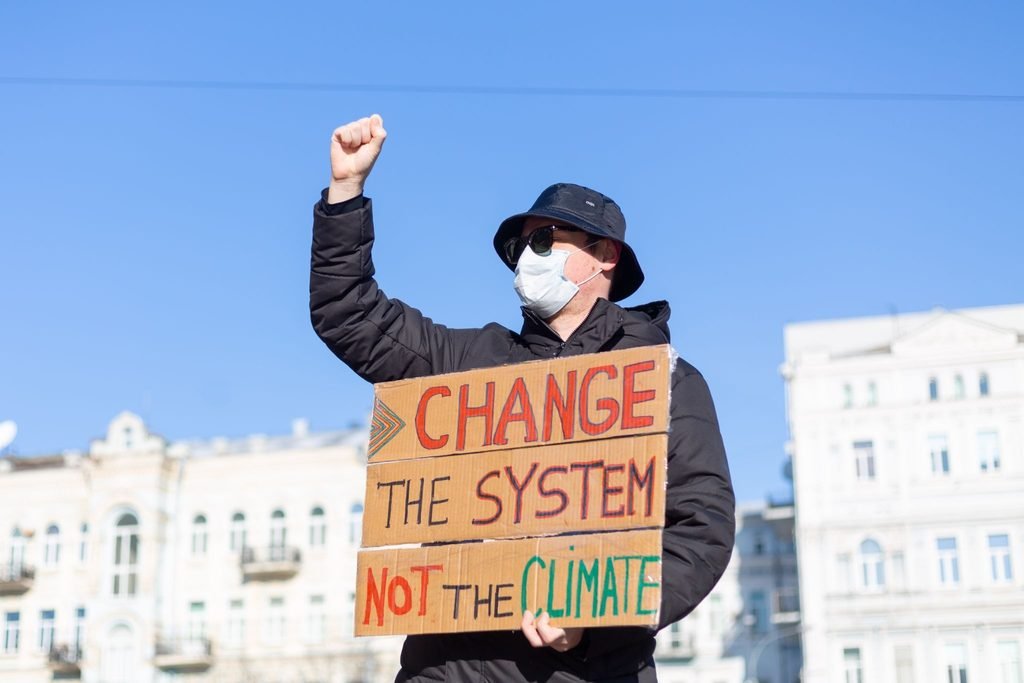
Whenever I am out working in my garden, with soil under my fingernails, I am constantly reminded of the fragile chemistry sustaining our ecosystems. In environmental law, we draft ambitious treaties and deliberate over compliance frameworks, but our ultimate baseline is biological health: soil, water, and human tissue. Persistent organic pollutants (POPs) represent one of the clearest governance failures of the modern industrial era precisely because their molecular persistence defies national sovereignty.
My legal advisory work frequently forces me to confront the gap between statutory design and physical reality. When negotiating international treaties, states often assume that borders naturally contain risk. Yet atmospheric currents, river networks, and migratory food webs distribute synthetic chemicals into regions that never produced or benefited from them.
The Stockholm Convention emerged as a landmark development precisely because it introduced binding international accountability to curtail these bioaccumulative toxins. However, a treaty is only as strong as its domestic enforcement mechanisms and scientific agility. If our legal structures fail to proactively account for chemical persistence before products flood global supply chains, we remain trapped in a reactive posture—litigating and regulating damage long after it has compromised ecosystems and vulnerable populations.
The Stockholm Convention effectively reduces toxic exposure by targeting persistent organic pollutants (POPs) that threaten both human health and the environment. By promoting chemical substitution and sustainable agricultural practices, it fosters safer alternatives and enhances food safety. Compliance measures, such as rigorous monitoring and international collaboration, guarantee nations adhere to treaty guidelines. Consequently, this reduces the risk of respiratory issues, endocrine disruptions, and developmental delays. Explore how these initiatives further contribute to a healthier global community.
KEY TAKEAWAYS
- The Stockholm Convention mandates the reduction of hazardous chemicals, limiting the use of persistent organic pollutants (POPs) and lowering toxic exposure risks.
- By promoting chemical substitution and safer agricultural practices, the Convention encourages the adoption of non-toxic alternatives, enhancing food safety.
- Robust monitoring and compliance measures allow for real-time tracking of POPs, ensuring accountability and effective reduction of toxic exposure.
- Public awareness initiatives educate communities about the dangers of POPs, fostering grassroots support for compliance and healthier environments.
- International collaboration and technical assistance help countries implement best practices, further reducing toxic exposure and promoting public health.
UNDERSTANDING PERSISTENT ORGANIC POLLUTANTS AND THEIR RISKS
While you may not realize it, persistent organic pollutants (POPs) are lurking in your environment, posing significant health risks. These toxic chemicals, which include pesticides and industrial by-products, are notorious for their persistence factors, meaning they resist degradation and accumulate in the ecosystem.
Pollutant sources range from agricultural practices to industrial emissions, affecting air, water, and soil quality. Once released, POPs can travel long distances, entering food chains and ultimately impacting human health through bioaccumulation. Studies have linked exposure to various health issues, including endocrine disruption and cancer.
Understanding these risks is essential for innovative approaches to mitigate exposure. By recognizing the persistence and mobility of POPs, you can advocate for better regulatory measures and promote sustainable practices that reduce their prevalence.
Engaging in community awareness and education can further drive change, paving the way for a healthier environment.
How the Stockholm Convention Works to Reduce Toxic Chemicals
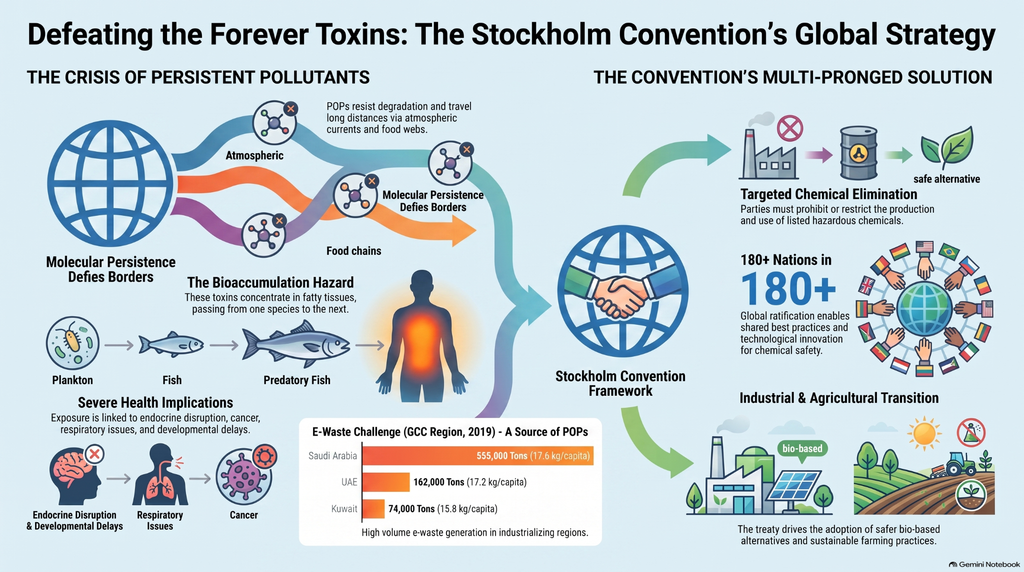
The Stockholm Convention on Persistent Organic Pollutants is a global treaty to protect human health and the environment from chemicals that remain intact in the environment for long periods, become widely distributed geographically, accumulate in the fatty tissue of humans and wildlife, and have harmful impacts on human health or on the environment.
The Stockholm Convention creates a global treaty framework that targets the reduction of persistent organic pollutants (POPs).
By establishing specific measures for chemical reduction, it holds countries accountable for their commitments.
Additionally, robust monitoring and compliance mechanisms guarantee that nations adhere to their obligations, ultimately reducing toxic chemical exposure worldwide.
Global Treaty Framework
As nations recognize the urgent need to address toxic chemical exposure, the Stockholm Convention serves as a pivotal global treaty framework aimed at reducing persistent organic pollutants (POPs).
This treaty facilitates chemical negotiations among countries, providing a structured approach to eliminate or restrict the use of harmful chemicals. By establishing legally binding commitments, the Convention empowers nations to work collaboratively, sharing best practices and technological innovations to mitigate risks.
Through periodic reviews and updates, it adapts to emerging scientific evidence, ensuring that its provisions remain effective in combating toxic exposure and aligning with current environmental policies. The treaty not only enhances global health outcomes but also fosters sustainable practices, making it a cornerstone of international environmental policy and a significant step toward a safer, cleaner future.
Targeted Chemical Reduction
Building on the framework established by the Stockholm Convention, targeted chemical reduction focuses on specific strategies to minimize the use and release of harmful substances.
This approach encourages innovation and effective solutions through:
- Chemical Substitution: Identifying safer alternatives to hazardous chemicals.
- Targeted Outreach: Engaging industries and communities to raise awareness about toxic exposure risks.
- Risk Assessment: Evaluating the impacts of persistent organic pollutants on human health and the environment.
- Incentives for Compliance: Offering support for organizations adopting safer practices.
Monitoring and Compliance Measures
To effectively curb toxic chemical exposure, the Stockholm Convention employs a robust framework of monitoring and compliance measures that hold signatory nations accountable.
You’ll find that innovative monitoring techniques, such as satellite imaging and biomonitoring, allow for real-time tracking of persistent organic pollutants (POPs). These methods guarantee that countries can assess the effectiveness of their actions in reducing chemical exposure.
Additionally, compliance strategies focus on regular reporting and peer reviews, fostering transparency and shared responsibility among nations. By implementing these measures, the Convention encourages countries to adhere to their commitments while also enabling the identification of best practices.
Ultimately, this dynamic framework not only mitigates toxic exposure but also promotes collaborative efforts for a healthier global environment.
Significant Milestones Achieved by the Stockholm Convention
Since its adoption in 2001, the Stockholm Convention has marked significant milestones in the global effort to eliminate or restrict the use of persistent organic pollutants (POPs).
These milestone achievements reflect the convention’s profound impacts on public health and the environment. Here are four key milestones:
- Listing of POPs: The initial identification and listing of 12 priority POPs set a global benchmark for action.
- Global Collaboration: Over 180 countries have ratified the convention, demonstrating unprecedented international cooperation.
- National Implementation Plans: Countries developed and implemented plans to reduce POPs, enhancing local regulatory frameworks.
- Continuous Review Process: The convention established a mechanism for the ongoing evaluation and inclusion of new POPs, ensuring that regulations evolve with emerging science.
These achievements underscore the convention’s role in driving innovation and fostering sustainable practices, ultimately reducing toxic exposure worldwide.
CHANGES IN INDUSTRIAL CHEMICAL PRACTICES DUE TO THE STOCKHOLM CONVENTION
Reviewing industrial transitions under the Stockholm Convention highlights a fundamental tension in environmental governance: the divergence between political consensus and physical remediation. Phase-outs of the initial “dirty dozen” chemicals established an unprecedented standard for chemical bans, but modernizing that framework exposes systemic regulatory blind spots.
In evaluating compliance strategies, two interrelated problems emerge. First, regulatory evaluation often struggles to move beyond individual compound review. Banning one specific toxicant frequently prompts industry to adopt a slightly modified chemical analog that yields similar hazards—an endless legal chase that delays protective action. Second, legacy contamination continues to defy traditional legal liabilities. Banned decades ago, older compounds still persist in contaminated soil beds, outdated dielectric fluids, and unmanaged e-waste stockpiles, slowly leaching into municipal water tables. In rapidly industrializing and arid economies, waste streams containing flame retardants and heavy metals routinely bypass adequate hazardous-waste treatment protocols, shifting the toxic burden onto informal labor and downstream communities.
To build genuine accountability, legal frameworks must evolve. We need binding Extended Producer Responsibility (EPR) mandates embedded within trade agreements, non-targeted chemical screening standards, and regional enforcement hubs. Without rigorous evidentiary tracking and verifiable corporate liability, international conventions risk becoming mere policy aspirational exercises rather than enforceable environmental protections.
Persistent organic pollutants (POPs) are toxic chemicals that adversely affect human health and the environment around the world. Because they can be transported by wind and water, most POPs generated in one country can and do affect people and wildlife far from where they are used and released. They persist for long periods of time in the environment and can accumulate and pass from one species to the next through the food chain. To address this global concern, the United States joined forces with 90 other countries and the European Community to sign a groundbreaking United Nations treaty in Stockholm, Sweden, in May 2001. Under the treaty, known as the Stockholm Convention, countries agreed to reduce or eliminate the production, use, and/or release of 12 key POPs (see box), and specified under the Convention a scientific review process that has led to the addition of other POPs chemicals of global concern.
You’ll notice significant changes in industrial chemical practices since the Stockholm Convention came into effect.
Companies are enhancing regulatory compliance to meet stricter guidelines, while many are also adopting safer alternatives to hazardous substances.
This shift not only protects public health but also aligns businesses with global sustainability goals.
Regulatory Compliance Enhancements
As industries adapt to the mandates of the Stockholm Convention, regulatory compliance enhancements are reshaping chemical practices globally.
These changes are driven by the need for stronger regulatory frameworks and innovative compliance strategies, including different types of environmental policies that help industries reduce chemical risks. Here are four key enhancements:
- Increased Transparency: Companies are now required to disclose chemical usage, fostering accountability.
- Stricter Reporting Standards: Enhanced data collection methods are being implemented to monitor pollutant levels.
- Inter-industry Collaboration: Firms are encouraged to share best practices for compliance, promoting industry-wide improvements.
- Investment in Training: Ongoing education programs guarantee that employees understand and adhere to new regulations.
Safer Alternatives Adoption
The push for regulatory compliance enhancements under the Stockholm Convention has spurred a significant shift toward the adoption of safer chemical alternatives in various industries.
Businesses are increasingly prioritizing safer chemical innovations, which not only align with global sustainability goals but also enhance their competitive edge. For instance, companies are replacing harmful substances with bio-based materials that minimize environmental impact while maintaining performance.
This change fosters sustainable product development, as firms innovate to create safer formulations that meet both regulatory requirements and consumer demand for eco friendly products.
Stockholm Convention’s Impact on Agriculture and Food Safety
The Stockholm Convention, which currently regulates 29 POPs, requires parties to adopt a range of control measures to reduce and, where feasible, eliminate the release of POPs. For intentionally produced POPs, parties must prohibit or restrict their production and use, subject to certain exemptions such as the continued use of DDT. The Stockholm Convention also requires parties to restrict trade in such substances. For unintentionally produced POPs, the Stockholm Convention requires countries to develop national action plans to address releases and to apply “Best Available Techniques” to control them. The Stockholm Convention also aims to ensure the sound management of stockpiles and wastes that contain POPs.
While many might overlook the connection between international treaties and local farming practices, the Stockholm Convention markedly influences agriculture and food safety standards globally.
By promoting sustainable farming and organic practices, it drives innovation and enhances food safety. Here are four key impacts you should consider:
- Reduction of Pesticide Use: The Convention encourages the phase-out of hazardous pesticides, allowing safer alternatives to flourish.
- Support for Organic Practices: Farmers adopting organic methods benefit from reduced chemical exposure, aligning with global standards.
- Enhanced Crop Quality: By limiting persistent organic pollutants (POPs), the Convention helps maintain the integrity of food products.
- Consumer Confidence: As food safety improves, consumer trust in agricultural products increases, leading to a healthier marketplace.
In essence, the Stockholm Convention not only protects the environment but also fosters a safer, more innovative agricultural landscape.
Health Benefits of Reduced Toxic Exposure From POPS
Reduced toxic exposure from persistent organic pollutants (POPs) has significant health benefits that can directly impact individuals and communities. By limiting exposure to these harmful chemicals, you can experience marked health improvements. For instance, reduced POP levels in the environment can lead to lower incidences of respiratory issues, endocrine disruptions, and neurological disorders.
Moreover, communities that embrace environmental protection through adherence to the Stockholm Convention tend to see enhanced public health outcomes. Children, who are particularly vulnerable, benefit from cleaner air and safer food, reducing the risk of developmental delays and chronic diseases.
As innovation in policy and technology continues, the potential for further health improvements increases. By prioritizing the reduction of POPs, you not only contribute to a healthier environment but also foster a sustainable future where communities thrive free from toxic burdens.
Ultimately, the benefits of reduced toxic exposure extend beyond individual well-being to encompass collective societal health.
Next Steps for the Stockholm Convention’s Global Compliance
As countries work to enhance their compliance with the Stockholm Convention, several key steps must be prioritized to guarantee global adherence to its mandates.
Addressing compliance challenges requires innovative strategies and strong global cooperation. Here are four essential actions:
- Strengthen National Legislation: Countries should align their laws with the Convention’s requirements, creating a robust legal framework.
- Enhance Monitoring Systems: Implementing thorough tracking of persistent organic pollutants (POPs) will help assess compliance and identify areas needing improvement.
- Foster International Partnerships: Collaborating with international organizations can provide technical assistance and share best practices in managing POPs.
- Promote Public Awareness: Educating communities about the dangers of POPs encourages grassroots support for compliance efforts.

RELATED STUDIES ABOUT STOCKHOLM CONVENTION PERSISTENT ORGANIC POLLUTANTS POLICY EFFECTS
As a final point, the Stockholm Convention plays an essential role in reducing toxic exposure to persistent organic pollutants. By implementing stringent regulations, it’s not only reshaped industrial practices but also improved agricultural safety. With these changes, you might wonder: how much healthier could our communities become with continued global compliance? The evidence shows that lower exposure to these hazardous chemicals leads to significant health benefits, emphasizing the importance of sustained commitment to this vital environmental policy.
Occurrence and levels of industrial persistent organic pollutants under the Stockholm convention: A review of water resources in southeast Asian countries
This study provides a comprehensive review of peer-reviewed research (1990 to April 2024) on the occurrence, concentrations, and environmental fate of key industrial Persistent Organic Pollutants (POPs) regulated under the Stockholm Convention—specifically PCBs, PBDEs, PFAS, and chlorinated paraffins (CPs)—across freshwater and marine environments in Southeast Asia (SEA).
Key Findings by Pollutant Class
- Polychlorinated Biphenyls (PCBs): Despite historic bans and lack of domestic synthesis in countries like Indonesia and Vietnam, substantial legacy stockpiles (e.g., imported dielectric fluids, contaminated equipment) continue to leach into aquatic ecosystems. PCB concentrations across freshwater and estuarine/marine sediments showed no discernible decline over 35 years. Urban river networks in major metropolitan areas (Hanoi, Vientiane) recorded elevated sediment levels (up to 300–630 ng/g dry weight), whereas Singapore consistently exhibited the lowest concentrations in the region.
- Polybrominated Diphenyl Ethers (PBDEs): PBDE burdens are driven predominantly by extensive historical imports of vehicles and electronics, exacerbated by informal e-waste recycling hubs (such as Trieu Khuc and Bui Dau in Vietnam), where sediment levels reach hundreds of ng/g dw. Hydrophobic properties cause PBDEs to preferentially bind to particulates, concentrating in sediments rather than water. Deca-BDE congener BDE-209 remains the dominant profile component, alongside evidence of debromination forming lower-brominated congeners.
- Per- and Polyfluoroalkyl Substances (PFAS): PFAS investigations have expanded sharply since the 2010s, focusing heavily on water compartments. Extreme concentrations were identified near landfills, recreational areas, and industrial discharge zones (e.g., up to 43,500 ng/L of PFOS in Malaysia’s Langat River). Conventional wastewater treatment frequently fails to remove these substances—often increasing effluent loads through precursor breakdown. Detection in municipal tap, bottled, and well waters underscores a growing direct human exposure route.
- Chlorinated Paraffins (CPs): Despite high global production volumes, toxicity (SCCPs are listed under Stockholm Convention Annex A), and heavy regional imports (such as over 13,000 tons recorded in Indonesia), there were zero published studies documenting CPs in SEA aquatic systems.
Biomagnification and Human Health Risks
Bioaccumulation is confirmed across trophic levels, from plankton and bivalves (oysters, mussels) to apex marine predators (skipjack tuna, cetaceans). While baseline dietary intake of commercial fish and shellfish generally falls below international acceptable daily intakes (ADIs), significant exposure risks exist for:
- Populations consuming contaminated traditional foods, such as green turtle eggs in Malaysia (yielding coplanar PCB doses up to 300 times above ADI).
- High-frequency seafood consumers near localized industrial parks (e.g., Map Ta Phut, Thailand).
- Children living within informal e-waste dismantling clusters.
Identified Research & Monitoring Gaps
- Geographical Disparity: Research is overwhelmingly concentrated in Vietnam, Singapore, and Thailand. Complete monitoring voids exist in Brunei, Myanmar, and Timor-Leste due to varying national priorities, lack of analytical infrastructure, and political conflict.
- Climate Change Vulnerability: Southeast Asia faces intensified typhoons, storm surges, and river discharge. Flooding and sediment disturbance remobilize sequestered pollutants from reservoir sinks into active waterways, exacerbating transboundary transport.
- Analytical Shortcomings: Regional monitoring depends almost exclusively on active spot-grab sampling, which fails to capture fluctuating dissolved fractions or ultra-trace concentrations. Non-target screening and broad precursor assays (e.g., TOPA for PFAS) remain critically underutilized.
Strategic Recommendations
- Deploy Passive Sampling: Implement silicone and low-density polyethylene passive water samplers across major transboundary river systems (e.g., Mekong, Chao Phraya) to acquire reliable, time-weighted average dissolved concentrations.
- Prioritize Emerging Pollutants: Establish baseline analytical protocols and screening campaigns for CPs (SCCPs/MCCPs) and next-generation short-chain fluorinated substitutes (e.g., 6:2-FTS).
- Formalize National Standards: Transition from reliance on general Stockholm Convention listings toward national drinking water and aquatic ecosystem quality standards for PFAS and PBDEs.
- Strengthen ASEAN Collaboration: Use frameworks like the ASEAN Ministerial Meeting on Environment (AMME) to provide technical assistance, laboratory capacity building, and joint monitoring across under-surveyed member states.
| REFERENCE: Toan Khanh Vu, Vincent Fauvelle, Thi Thao Nguyen, Van Hoi Bui, Laure Malleret, Occurrence and levels of industrial persistent organic pollutants under the Stockholm convention: A review of water resources in southeast Asian countries, Journal of Hazardous Materials Advances, Volume 20, 2025, 100872, ISSN 2772-4166, https://doi.org/10.1016/j.hazadv.2025.100872. (https://www.sciencedirect.com/science/article/pii/S2772416625002839) |
Global monitoring of persistent organic pollutants (POPs) in biota, water and sediments: its role in screening for unregulated POPs, in compiling time trends of regulated POPs under the Stockholm Convention (SC) and their relevance for biodiversity in a changing climate
Overview and Context
This study, authored by Ramon Guardans, provides an analytical perspective on the century-long history and contemporary implementation of global persistent organic pollutant (POP) monitoring. It examines the dynamic science-policy interactions underlying the Stockholm Convention on POPs, which was adopted under the United Nations Environment Programme (UNEP) in 2001, entered into force in 2004, and has been ratified by 186 parties as of August 2023. Drawing heavily on two foundational compilations—a critical assessment of Long-Range Environmental Transport (LRET) criteria from the 19th POPs Review Committee meeting (POPRC19 in 2023) and the 3rd Global Monitoring Report for Effectiveness Evaluation—the paper details how empirical observations in abiotic and biotic media inform international regulatory decisions, highlights the challenges of monitoring complex chemical mixtures, and advocates for converging chemicals management with biodiversity protection and climate action.
Historical Foundations and Scientific Evolution
The systematic monitoring of transboundary contaminants originated in the mid-twentieth century through attempts to quantify nuclear fallout, such as the bioaccumulation of radiocesium (Cs-137) in Arctic lichens, reindeer, and indigenous Sami populations. Atmospheric dispersion models initially developed for chemical warfare and nuclear tracking converged with breakthrough analytical instruments—notably gas chromatography, mass spectrometry, and James Lovelock’s electron capture detector—which allowed researchers to document trace organohalogens in remote ecosystems. Pioneering multinational programs such as EMEP under the 1979 UNECE Convention on Long-range Transboundary Air Pollution, the Great Lakes Water Quality Agreement, the Arctic Monitoring and Assessment Programme (AMAP), and regional marine conventions (OSPAR, HELCOM) demonstrated that volatile and persistent chemicals travel across intercontinental boundaries. These findings established that effective chemical management requires legally binding, multilateral cooperation. Furthermore, early health assessments highlighted persistent inequities: indigenous groups and remote populations bear severe contamination burdens while residing far from industrial releases and deriving none of the economic benefits.
Two Complementary Pillars of the Stockholm Convention
The paper details how environmental monitoring operates within the convention via two distinct yet synergistic mechanisms:
- Screening Candidate POPs (Article 8): The Persistent Organic Pollutants Review Committee (POPRC), composed of 31 government-designated experts representing five UN regions, evaluates chemicals proposed by parties against the Annex D screening criteria: chemical identity, persistence, bioaccumulation, long-range environmental transport (LRET), and adverse effects. Between 2009 and 2023, 28 proposed chemicals or groups met the LRET criteria, resulting in 22 new listings in Annex A (elimination), Annex B (restriction), or Annex C (unintentional release), with others in advanced review stages. To satisfy LRET, POPRC evaluates field measurements in remote areas, atmospheric half-lives exceeding two days, and transport modeling. Empirical data in remote environments—most notably the Arctic, Antarctica, the North Atlantic, and the Tibetan Plateau—supported the evaluation of nearly all listed candidates.
- Effectiveness Evaluation and the Global Monitoring Plan (Article 16): While Article 8 screens new chemicals, Article 16 tracks long-term global temporal trends to assess whether convention measures are successfully protecting human health and the environment. Administered by five Regional Organization Groups (ROGs) and a Global Coordination Group, the Global Monitoring Plan (GMP) compiles standardized data on six-year reporting cycles (GMP1 in 2009, GMP2 in 2015, and GMP3 in 2021). The GMP prioritizes core media: ambient air (providing rapid indicators of atmospheric response to regulatory controls), human tissues such as maternal milk and blood serum (reflecting direct internal human exposure), and water specifically for hydrophilic compounds such as PFOS and PFOA.
Global Contamination Trends Across Media
Synthesis of long-term data from international surveillance networks, specimen banks, and peer-reviewed literature across core and non-core matrices (including sediment, snow, ice, and aquatic biota) reveals diverging trajectories:
- Legacy POPs: Concentrations of the initial 12 POPs (such as DDT, PCBs, aldrin, dieldrin, and hexachlorocyclohexanes) have declined significantly since initial bans and currently persist at low, baseline levels largely maintained by secondary re-emissions from environmental sinks rather than ongoing industrial manufacture.
- Newly Listed Industrial POPs: Compounds listed more recently—including polybrominated diphenyl ether (PBDE) flame retardants, per- and polyfluoroalkyl substances (PFAS such as PFOS, PFOA, and PFHxS), short-chain chlorinated paraffins (SCCPs), and hexachlorobutadiene—do not exhibit broad global declines. Instead, concentrations show regional divergence; while a few areas report slowing rates of increase, overall trends remain stable or continue to climb, as seen with PFOS in the Arctic and Laurentian Great Lakes.
- Extreme Depths and Novel Pathways: Research indicates that hydrophobic POPs such as PCBs and PBDEs are transported via turbidity currents and sinking particulate organic matter into the ocean’s deepest trenches (Hadal zones below 10,000 meters). In these extreme abyssal habitats, endemic organisms exhibit bioaccumulated POP concentrations that are significantly higher than those observed in nearby industrialized coastal zones.
Key Challenges and Future Strategic Priorities
The perspective concludes by outlining technical and institutional priorities necessary to sustain international chemicals management:
- Refining LRET Concepts and Sources: The understanding of contaminant sources is shifting. Rather than originating strictly from static industrial stacks, pollutants increasingly disperse via itinerant commercial consumer goods that act as localized sources within remote receiving environments. Additionally, atmospheric photo-oxidation rates, the generation of active transformation products, and oceanic biogeochemical transport require more sophisticated multimedia mass-balance models.
- Utilizing Specimen Banks and Non-Targeted Analysis: Environmental Specimen Banks (such as Japan’s NIES repository archiving specimens at minus 60 degrees Celsius) provide critical retrospective sample archives to reconstruct temporal trends for newly detected contaminants. Paired with emerging non-targeted exposomics and open spectral databases, these tools expand monitoring beyond single-substance approaches to characterize complex real-world chemical mixtures.
- Climate Change and Multi-Convention Integration: Global climate change is altering environmental cycling through intensified precipitation, accelerated sea-ice melting, and the thermal remobilization of legacy deposits trapped in soils and glaciers. The author stresses the urgent need to link Stockholm Convention monitoring with the Framework Convention on Climate Change (UNFCCC) and the Convention on Biological Diversity (CBD)—specifically aligning with Target 7 of the Kunming-Montreal Global Biodiversity Framework to reduce pollution impacts on ecosystems. Fostering operational coherence among these multilateral environmental agreements remains essential for achieving an equitable, evidence-based global strategy for chemical safety and planetary health.
| REFERENCE: Ramon Guardans, Global monitoring of persistent organic pollutants (POPs) in biota, water and sediments: its role in screening for unregulated POPs, in compiling time trends of regulated POPs under the Stockholm Convention (SC) and their relevance for biodiversity in a changing climate, Environmental Science Advances, Volume 3, Issue 8, 2024, Pages 1111-1123, ISSN 2754-7000, https://doi.org/10.1039/d4va00023d. (https://www.sciencedirect.com/science/article/pii/S2754700024000774) |
Electronic waste and environmental diplomacy: How GCC E-waste management interfaces with the Stockholm Convention
Overview and Context
This study, published in Journal of Hazardous Materials Advances (2025) by Yasar N. Kavil and colleagues, explores the dynamics of electronic waste management across the six Gulf Cooperation Council member states: Bahrain, Kuwait, Oman, Qatar, Saudi Arabia, and the United Arab Emirates. Driven by high economic growth, rapid urbanization, substantial consumer spending, and short replacement cycles for personal electronics, the region generates exceptionally high levels of e-waste per capita. The study assesses the environmental, economic, and health challenges associated with e-waste, evaluates current recycling techniques, details national policy frameworks, and examines how regional practices align with international environmental diplomacy, specifically the Stockholm Convention on Persistent Organic Pollutants.
E-Waste Dynamics and Regional Statistics Globally, e-waste reached 53.6 million tonnes in 2019 and is projected to rise to 74.7 million tonnes by 2030. The GCC countries exhibit some of the highest per capita e-waste generation rates worldwide, driven largely by frequent upgrades of devices such as mobile phones, televisions, and personal computers.
Country-level generation profiles: Saudi Arabia generates the highest total volume in the region at approximately 595,000 tons annually, translating to 17.6 kilograms per capita and accounting for 21 percent of total Arab world e-waste production. Only 22 percent of hazardous waste in the country is formally managed. The United Arab Emirates generated approximately 162,000 tons in 2019, representing 17.2 kilograms per capita. Bahrain generates around 24,000 tons annually, which equates to 15.9 kilograms per capita, but has no dedicated domestic e-waste processing facilities. Kuwait produced 74 kilotons in 2019, equating to 15.8 kilograms per capita, with e-waste volumes growing by 5 to 7 percent annually. Up to 76 percent of Kuwait’s general waste stream is recyclable, but much of it is co-disposed in municipal landfills. Oman produces an estimated 69 kilotons annually, or 15.8 kilograms per capita. Qatar generated roughly 40,000 tons in 2019 (13.6 kilograms per capita), with volumes projected to hit 50,000 tons due to an annual growth rate of 3 to 4 percent.
Because domestic specialized recycling infrastructure remains limited across the region, the GCC relies heavily on exporting e-waste for processing. Total regional e-waste exports grew at a compound annual growth rate of 24.5 percent between 2012 and 2014, with the UAE (57.7 percent) and Kuwait (35.9 percent) representing the majority of the trade.
Environmental and Public Health Impacts E-waste contains dangerous fractions of heavy metals (such as lead, cadmium, and mercury) and persistent organic pollutants, primarily brominated flame retardants (like pentaBDE and octaBDE) and polychlorinated biphenyls from older capacitors and transformers. In the GCC’s fragile arid environment, unlined landfills and open dumping pose significant risks of toxic leachates contaminating scarce groundwater reserves and arable soil. Informal processing, open burning, or uncontrolled incineration releases highly carcinogenic dioxins, furans, polycyclic aromatic hydrocarbons, and respirable particulate matter. Exposure to these toxins leads to severe clinical consequences: lead induces neurotoxicity, cognitive deficits, and peripheral neuropathy; PCBs and flame retardants act as endocrine disruptors that disrupt thyroid hormone regulation and increase cancer risks; and informal scrap workers face elevated risks of respiratory illness and kidney damage.
Technological Evaluation of Recycling Methods
The study provides a comparative assessment of operational recycling and recovery pathways:
- Manual Dismantling: Low capital cost and high precision for separating printed circuit boards and cables, but labor intensive and presents high occupational exposure risks in the absence of safety standards.
- Mechanical Separation: Effective for sorting bulk ferrous and non-ferrous metals using magnetic and eddy current separation, but is energy intensive and results in the loss of fine precious metals embedded in circuit board matrices.
- Hydrometallurgical Extraction: Uses solvents such as cyanide or aqua regia to leach precious metals (gold, silver, copper). Highly effective for metals, but produces hazardous toxic chemical effluents and fails to recover non-metallic fractions such as plastics.
- Pyrometallurgical Processing: Smelting and incineration at high temperatures. Efficient for large volumes of heat-stable metals, but consumes large amounts of energy, produces substantial carbon emissions, destroys plastics, and risks generating toxic dioxin and furan emissions.
- Electrochemical Separation: High precision for recovering precious metals (gold, palladium) from complex circuitry, but requires expensive infrastructure, extensive pre-processing, and does not easily scale to mass waste streams.
- Cryogenic Processing: Uses sub-zero temperatures to embrittle components for mechanical shattering, but high energy costs and complex equipment make it commercially difficult to maintain.
- Biotechnological Methods: Microbial bioleaching using bacteria offers an eco-friendly alternative to chemical solvents, but its slow kinetics and challenging bioreactor scalability limit commercial adoption.
Regulatory Landscapes Across GCC States Approaches to e-waste regulation vary significantly across the member states: Advanced/Developing Frameworks: Saudi Arabia established formal e-waste regulations in 2017, initiated Extended Producer Responsibility (EPR) programs, introduced take-back mandates, and set goals under Vision 2030 and the National Transformation Program to reduce e-waste by 40 percent and develop facilities like the Riyadh Recycling Hub. The UAE (particularly Dubai) has enacted dedicated regulations, authorized certified recyclers, and established private-public partnerships to build advanced recovery facilities. Qatar has focused on public education campaigns alongside developing formalized recycling channels. Nascent Frameworks: Kuwait, Bahrain, and Oman continue to treat e-waste under general municipal solid waste policies without dedicated e-waste legislation, specialized treatment infrastructure, or formal EPR systems.
Interface with the Stockholm Convention and Policy Recommendations
Although the Stockholm Convention does not explicitly regulate e-waste as an independent category, its mandates directly govern e-waste management because electrical devices heavily incorporate listed persistent organic pollutants, notably brominated flame retardants and legacy PCBs. Compliance requires preventing these chemicals from being dispersed into air, soil, and aquatic food chains.
To bridge existing gaps, the authors provide the following policy roadmap:
- Standardize Regional Legislation: Establish dedicated e-waste laws across all GCC states, moving beyond general waste rules to include clear product classifications, disposal protocols, and unified technical standards.
- Institutionalize Extended Producer Responsibility: Require electronics manufacturers and importers to establish take-back schemes, support safe recycling, and adopt eco-design standards that promote repairability and recyclability.
- Expand Domestic Infrastructure: Invest in centralized, high-efficiency mechanical, chemical, and refining facilities (such as regional shared hubs) to reduce reliance on foreign export, capture valuable metals domestically, and stimulate circular economy job growth.
- Formalize the Informal Sector: Integrate informal collectors into the formal waste management system through technical certifications, health and safety training, and regulatory oversight.
- Strengthen Environmental Diplomacy: Leverage platforms like the Stockholm Convention Regional Center in Kuwait, the Basel Convention Regional Centers, UNEP, and the GCC Secretariat to conduct joint capacity building, share best practices, harmonize border control over hazardous waste shipments, and meet global chemical safety commitments.
| REFERENCE: Yasar N Kavil, Hassan Alshemmari, Mohammed M Alkasbi, Saeed Saad Alelyani, Mohammed I Orif, Radwan Kh Al-Farawati, Electronic waste and environmental diplomacy: How GCC E-waste management interfaces with the Stockholm Convention, Journal of Hazardous Materials Advances, Volume 17, 2025, 100610, ISSN 2772-4166, https://doi.org/10.1016/j.hazadv.2025.100610. (https://www.sciencedirect.com/science/article/pii/S2772416625000221) |
CONCLUSION
During weekend photography excursions through our national parks, I look for uninterrupted, resilient ecosystems. Yet, scientific monitoring confirms that even our most pristine wilderness areas and deep ocean trenches now register traces of synthetic fluorinated chemicals and flame retardants. This underscores that planetary health cannot be compartmentalized into isolated legal categories.
Chemical safety, biodiversity loss, and climate destabilization are tightly coupled crises. As climate volatility intensifies—triggering extreme precipitation, typhoons, and permafrost thawing—long-sequestered chemical sinks in soils, landfills, and river sediments are actively remobilized into food webs and drinking supplies. Our legal structures must reflect this dynamic. We cannot continue administering chemical safety via the Stockholm Convention in isolation from the UNFCCC climate agreements or the Global Biodiversity Framework.
Achieving true ecological governance demands transparency, peer-reviewed monitoring, and systemic corporate accountability. Citizens have a fundamental right to know what persistent compounds exist in their water, consumer goods, and ecosystems. Mitigating toxic exposure requires more than symbolic milestones; it necessitates enforceable national standards, uncompromising trade border enforcement, and an unwavering commitment to leaving our biosphere healthier than the regulatory compromises of the past allowed.