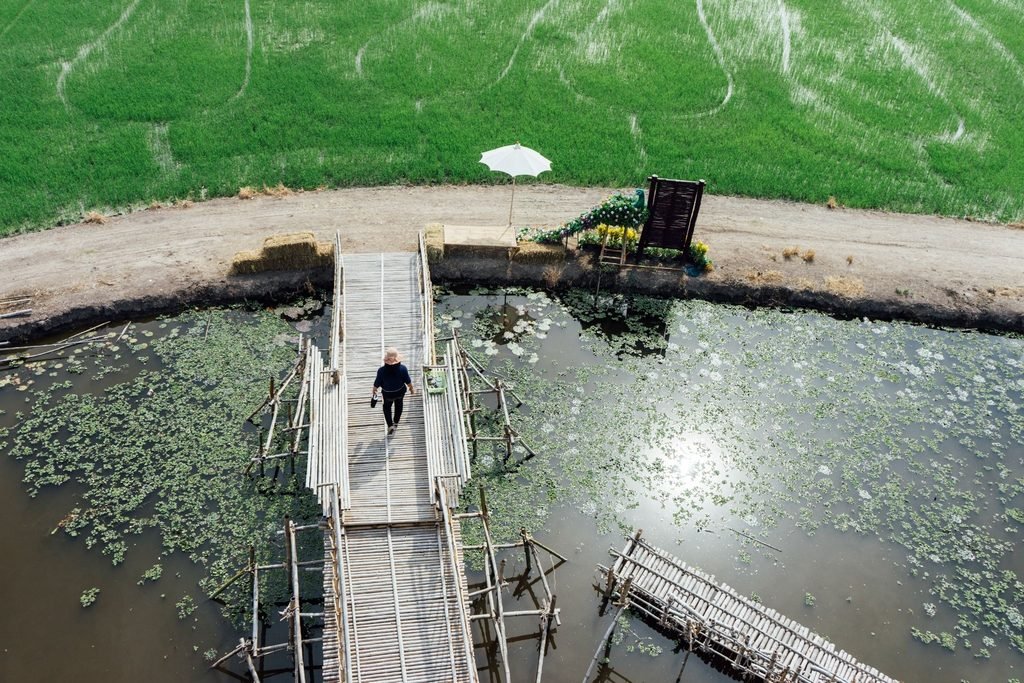
Whenever I am out on the water in my kayak early in the morning, the calm surface often conceals a far more complicated reality beneath. In my career analyzing environmental policy and working alongside both grassroots advocates and regulatory agencies, I have found that wastewater pollution is frequently treated as an “out of sight, out of mind” issue. Many people assume that once water disappears down a drain or is flushed through municipal channels, standard processing safely takes care of the rest.
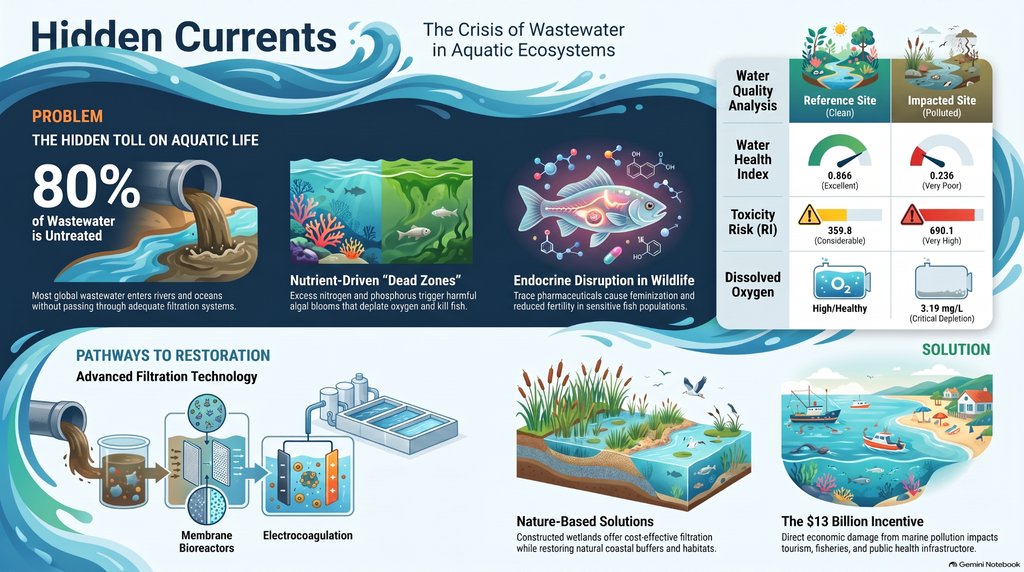
Yet, global data reminds us that over 80% of wastewater enters rivers, lakes, and oceans without adequate treatment. From a policy standpoint, this represents an enormous disconnect between scientific evidence and actual governance. We tend to focus on single-source, highly visible environmental crises, but the persistent influx of nutrient-dense, chemical-laden runoff quietly undermines aquatic resilience every single day.
When our waterways lose their ecological balance, the repercussions ripple outward into public health, local economies, and wildlife survival. Protecting these vital aquatic corridors requires us to look past simple compliance checkboxes and genuinely address how our land-use, domestic, and industrial habits directly shape the life cycles of our downstream ecosystems.
Wastewater effluents from industrial, agricultural, and sewage sources disrupt aquatic ecosystems in rivers and coastal waters by introducing harmful pollutants like heavy metals, nutrients, and pathogens. These contaminants lead to issues such as harmful algal blooms, threatening biodiversity and fish populations. Toxic chemicals can alter fish behavior and reproductive patterns, compounding these challenges. Understanding these processes is essential for effective management. Discover how innovative strategies and community engagement can further reduce pollution and restore ecosystem health.
KEY TAKEAWAYS
- Wastewater effluents introduce heavy metals and nutrients, disrupting aquatic ecosystems in rivers and coastal waters through pollution and habitat alteration.
- Nutrient overload from wastewater leads to harmful algal blooms, outcompeting native species and producing toxins detrimental to marine life and human health.
- Pathogens from untreated sewage threaten biodiversity, increase disease spread among fish populations, and compromise ecosystem stability in affected waters.
- Innovative wastewater treatment technologies and regulatory frameworks are essential for minimizing effluent impacts and promoting healthier aquatic environments.
- Community engagement and education play a crucial role in fostering responsible water management and enhancing compliance with pollution reduction measures.
HOW WASTEWATER POLLUTES AQUATIC ECOSYSTEMS
When wastewater is released into aquatic ecosystems, it introduces a range of harmful pollutants that disrupt the delicate balance of these environments. The primary wastewater sources include industrial discharges, agricultural runoff, and untreated sewage. Each of these contributes specific contaminants, such as heavy metals, nutrients, and pathogens, which can alter the ecological balance.
You mightn’t realize that these pollutants can lead to nutrient overloading, resulting in harmful algal blooms that deplete oxygen levels. Such conditions jeopardize aquatic life, from microorganisms to larger fish species. Additionally, the presence of toxic substances can bioaccumulate in the food chain, ultimately affecting human health and biodiversity.
Innovative solutions, like advanced wastewater treatment technologies, are essential for mitigating these impacts. By addressing the root causes, we can restore ecological balance and protect these critical ecosystems for future generations.
Key Pollutants in Wastewater and Their Effects on Aquatic Life
Nutrient pollution occurs when fertilizers, primarily nitrogen and phosphorus, used in food production, enter soils, groundwater and surface water and are transported towards coastal seas. This results in a range of environmental problems, from groundwater pollution, loss of habitat and biodiversity, creation of coastal dead zones, harmful algal blooms, fish kills and human health impacts.
As wastewater enters aquatic ecosystems, it carries a variety of key pollutants that greatly affect aquatic life. These contaminants create significant challenges for organisms trying to thrive in their habitats.
Here are some primary pollutants to take into account:
- Nutrient overload: Excess nitrogen and phosphorus can lead to imbalances, harming fish and other wildlife.
- Endocrine disruptors: Compounds like pharmaceuticals can interfere with reproductive systems, affecting population dynamics.
- Heavy metals: Elements such as mercury and lead accumulate in the food chain, posing health risks to species and humans alike.
- Pathogens: Bacteria and viruses can cause disease outbreaks, threatening biodiversity and ecosystem stability.
Understanding these pollutants is essential for developing innovative solutions to mitigate their impacts.
The Role of Wastewater in Triggering Harmful Algal Blooms
Wastewater considerably contributes to the proliferation of harmful algal blooms (HABs), which pose serious threats to aquatic ecosystems.
When you think about nutrient loading, it’s clear that excess nitrogen and phosphorus from wastewater create ideal conditions for algal growth. This nutrient influx disrupts bloom dynamics, leading to rapid algal proliferation that can outcompete other aquatic species for resources.
As you consider the implications, remember that these blooms can produce toxins harmful to marine life and human health, further complicating the ecological balance and contributing to nitrate and phosphate eutrophication biodiversity effects.
The timing and intensity of HABs can be influenced by various factors, including water temperature and light availability, but the primary driver remains nutrient loading from wastewater.
How Wastewater Affects Fish Populations and Biodiversity
Freshwater ecosystems encompass lakes, rivers, streams, and underground reservoirs, vital in sustaining human health and existence by supplying essential drinking water and protein resources. The rapid growth of the global human population has led to a significant increase in wastewater and sewage sludge volumes generated after treatment. Excessive nutrients in the water stimulate the rapid growth of algae and other aquatic plants. As water quality deteriorates, it becomes less suitable for supporting various marine species and can lead to habitat degradation. Proper enforcement ensures that industries, municipalities, and individuals comply with sewage management guidelines.
Wastewater introduces toxic chemicals into aquatic environments, which can greatly impact fish health and survival rates.
These contaminants not only alter habitats but also facilitate the spread of diseases among fish populations.
As you consider the broader implications, it’s clear that these factors threaten overall biodiversity within aquatic ecosystems.
Toxic Chemical Exposure
When toxic chemicals from industrial and agricultural runoff enter water bodies, they can severely disrupt aquatic ecosystems, particularly affecting fish populations and their biodiversity.
The ecological impact of chemical exposure manifests in various ways, leading to alarming consequences. You might visualize:
- Fish exhibiting unusual behavior, struggling to swim
- Altered reproductive patterns resulting in fewer offspring
- Shifts in species composition, favoring more resilient but less diverse species
- Bioaccumulation of toxins, threatening not just fish but entire food webs
These disruptions compromise the health of aquatic life and the ecosystems they inhabit, with pesticide contamination and insect biodiversity loss further contributing to the decline of ecological health.
Understanding these effects is critical for developing innovative solutions to mitigate chemical exposure and protect fish populations, ensuring a resilient and biodiverse aquatic environment for future generations.
HABITAT ALTERATION EFFECTS
While facilitating community biodiversity workshops and consulting on local land-use planning, I frequently see how difficult it is for the public to visualize chemical and nutrient disruption. It is easy to notice a massive fish die-off, but it is far harder to recognize the subtle, chronic damage occurring at the cellular and behavioral levels. When excess nitrogen, phosphorus, and pharmaceutical residues seep into coastal estuaries and river systems, they quietly alter reproduction, impair movement, and deplete dissolved oxygen.
I recall reviewing ecotoxicological data showing how sensitive indicator species—from benthic fish to foundational microorganisms—experience endocrine disruption and genetic stress from seemingly trace concentrations of effluent contaminants. It mirrors what I often discuss with community members: an ecosystem’s health is rarely destroyed overnight by a single event; instead, it is eroded gradually as natural defense mechanisms fail under constant exposure.
When we permit untreated agricultural runoff or unmonitored industrial discharges to bypass proper filtration, we are actively dismantling the biodiversity buffers that maintain water quality for everyone. Solving this requires both advanced treatment infrastructure and a cultural shift toward nature-based runoff solutions like constructed wetlands and responsible soil stewardship.
The introduction of wastewater into aquatic environments not only brings toxic chemicals but also leads to significant habitat alterations that threaten fish populations and overall biodiversity.
You’ll observe that habitat fragmentation occurs when wastewater disrupts natural patterns, isolating fish species and diminishing genetic diversity. This fragmentation undermines ecosystem resilience, making it harder for communities to adapt to changes, including climate effects.
Additionally, altered flow regimes and sedimentation patterns can impact spawning grounds and food availability, further endangering fish populations. As habitats change, sensitive species may decline, while invasive species thrive, creating imbalances.
The cumulative effects challenge not only aquatic life but also the health of entire ecosystems, emphasizing the urgent need for innovative solutions to mitigate wastewater impacts.
Disease Spread Dynamics
As pollutants enter aquatic systems, they create conditions ripe for disease spread among fish populations. The influx of wastewater introduces pathogens, which can increase disease transmission and enhance pathogen resilience.
You might visualize:
- Fish crowded in murky waters, stressed and vulnerable.
- Vibrant ecosystems dulled by toxic compounds, disrupting natural interactions.
- Infected fish, their movements sluggish, struggling for survival.
- A cascade of biodiversity loss as sensitive species vanish.
These changes not only threaten fish health but also destabilize entire aquatic ecosystems. As diseases proliferate, the delicate balance of species is disrupted, leading to potential collapse.
Understanding these dynamics is essential for developing innovative strategies to mitigate health risks and promote resilience in fish populations.
Effective Strategies to Reduce Wastewater Pollution in Aquatic Ecosystems
To effectively combat wastewater pollution in aquatic ecosystems, stakeholders must adopt a multifaceted approach that integrates technology, policy, and community engagement.
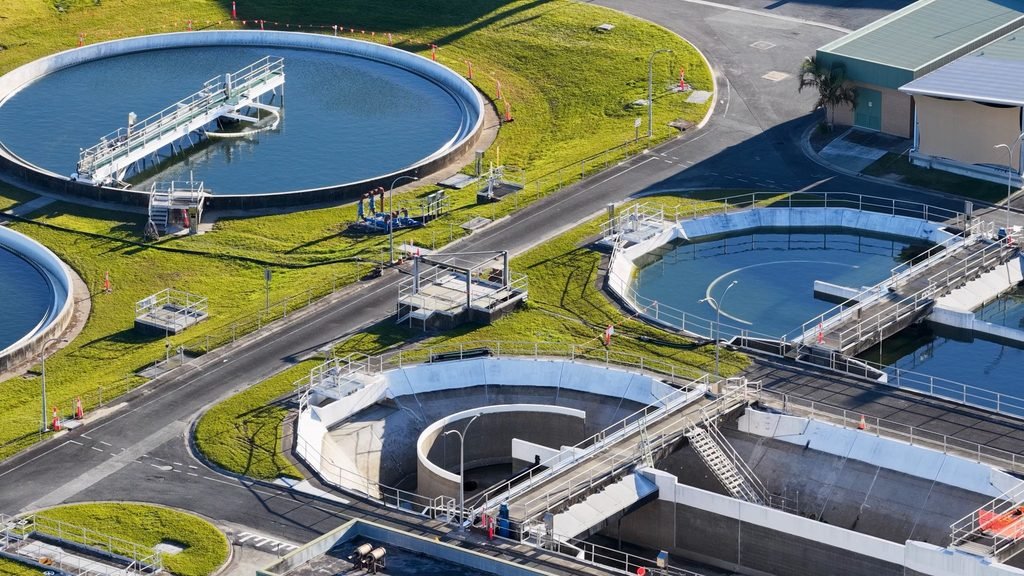
Innovative technologies, such as advanced filtration systems and bioremediation methods, can greatly reduce pollutants in wastewater before it enters rivers and coastal waters. Implementing stringent regulations on wastewater discharge is also essential, ensuring that industries comply with environmental standards.
Additionally, fostering public awareness through educational campaigns empowers individuals to make informed choices about water usage, pollution prevention, and eco friendly products. Community engagement initiatives, like local clean-up events and conservation programs, can galvanize support for sustainable practices.
By combining these strategies, you can create a robust framework that not only addresses the immediate concerns of wastewater pollution but also promotes long-term ecological health.
This integrated approach is crucial for preserving the integrity of aquatic ecosystems for future generations.
Successful Management of Wastewater in Coastal Areas
Water is uniquely vulnerable to pollution. Known as a “universal solvent,” water is able to dissolve more substances than any other liquid on earth. It’s the reason we have Kool-Aid and brilliant blue waterfalls. It’s also why water is so easily polluted. Toxic substances from farms, towns, and factories readily dissolve into and mix with it, causing water pollution.
Effectively managing wastewater in coastal areas requires tailored strategies that consider the unique challenges these environments face. You’ll need to navigate complex coastal regulations while fostering community engagement to guarantee sustainable practices.
To achieve this, consider implementing:
- Advanced treatment technologies that reduce harmful pollutants.
- Green infrastructure like wetlands and rain gardens to filter runoff.
- Public education programs that raise awareness about water conservation.
- Collaborative monitoring efforts involving local stakeholders for real-time data collection.
These approaches not only enhance wastewater management but also protect marine biodiversity.
By engaging with the community, you encourage shared responsibility, leading to stronger adherence to regulations. This synergy between innovative solutions and local commitment can considerably improve the health of coastal ecosystems, ensuring they remain vibrant for future generations.
Your proactive efforts will be essential in shaping a sustainable coastal environment.
Future Directions for Sustainable Wastewater Treatment Solutions
While current wastewater treatment methods have made significant strides, future directions must focus on integrating innovative technologies and sustainable practices to address evolving environmental challenges.
You should consider advancements like membrane bioreactors and decentralized systems that enhance efficiency and reduce energy consumption. These technologies can transform wastewater into reusable water, benefiting both ecosystems and communities.
Moreover, community engagement plays an essential role in fostering sustainable practices. By involving local stakeholders in decision-making, you can guarantee that treatment solutions reflect the specific needs and values of the community.
Public education campaigns can raise awareness about the importance of wastewater management and encourage participation in conservation efforts.
Lastly, combining these innovative technologies with robust regulatory frameworks will help maintain high standards and accountability.
Embracing these future directions won’t only mitigate environmental impacts but also promote a more sustainable and resilient water management system for generations to come.
RELATED STUDIES ABOUT WASTEWATER EFFLUENTS AND AQUATIC ECOSYSTEM DISRUPTION
To summarize, wastewater effluents greatly disrupt aquatic ecosystems, with studies showing that over 80% of the world’s wastewater is released untreated into our waters. This alarming statistic highlights the urgent need for effective management strategies. By adopting sustainable treatment solutions and reducing pollutants, you can help protect fish populations and biodiversity. Remember, your actions can make a difference in preserving the health of rivers and coastal waters for future generations.
Assessment of water quality degradation, ecological stress, and associated risks in aquatic ecosystems exposed to cigarette manufacturing effluents
This study evaluates the environmental and ecotoxicological impacts of untreated cigarette-manufacturing effluents on adjacent freshwater ecosystems in Kushtia District, Bangladesh, comparing industry-adjacent crop fields (ICFs) against reference non-tobacco crop fields (NCFs) across pre- and post-cropping seasons.
Key Findings
- Severe Water Quality Degradation: During the post-cropping season (ACS), ICF aquatic systems exhibited extreme pollution loads exceeding Aquatic Ecosystem Quality (AEQ) guidelines, including Chemical Oxygen Demand (COD: 269 ± 79.88 mg/L), Biochemical Oxygen Demand (BOD5: 153 ± 59.33 mg/L), Total Suspended Solids (TSS: 132.67 ± 24.40 mg/L), Turbidity (94.61 ± 28.21 NTU), and critical Dissolved Oxygen depletion (DO: 3.19 ± 0.63 mg/L).
- Nutrient Over-Enrichment: Nutrient loading in ICF-ACS waters reached 18.87 ± 4.87 mg/L for NO3-N and 3.21 ± 1.12 mg/L for PO4-P (2.6 to 3.4 times higher than NCF levels), accelerating eutrophication and hypoxic stress.
- Compounded Industrial Deterioration: While seasonal agricultural runoff degraded both field types, ICF water quality deteriorated at a rate 1.56 to 2.54 times higher than NCF waters.
- Stable Hydrochemical Weathering: Chloro-alkaline indices (CAI-1 and CAI-2) showed non-significant variations across all sites, confirming that geochemical rock-water interactions were negligible and that contamination was anthropogenically driven.
Core Multi-Index Risk Metrics
- Water Quality Index (WQI) for Ecosystem: Rose from 193.60 (Poor) at baseline (BCS) to 614.69 (Extremely Poor) after cropping (ACS), driven mainly by PO4-P, BOD5, NO3-N, DO, and TSS.
- Water Quality Index (WQI) for Irrigation: Shifted from 76.65 (Good) at BCS to 322.97 (Extremely Poor) at ACS due to excessive turbidity, nutrients, and organic load.
- Water Health Index (WHI): Dropped from 0.866 (Excellent) to 0.236 (Very Poor), marking a 72.75% decline with key drivers identified as Cr, Cl-, Mn, and Fe.
- Ecological Toxicity (MERMQ): Increased by 94.67% from 6.27 to 12.21, placing waters squarely into the “Very High Toxicity” zone led by Pb, Cd, and Cu.
- Potential Ecological Risk (RI): Rose from 359.80 (Considerable) to 690.10 (Very High Risk), with heavy metal contributions ranked: Cd > Pb > Cu > Ni > Cr > Zn > As.
- Hazard Index (HI) for Aquatic Biota: Escalated from 14.82 to 26.33, indicating severe non-carcinogenic toxic risks with Cd, Ni, Cr, and Pb acting as priority hazards.
Strategic Implications and Recommendations
- Priority Contaminant Control: Non-carcinogenic health hazard modeling identifies Cd, Ni, Cr, and Pb as the primary industrial toxicants, with secondary contributions from Zn (tobacco leaf processing) and As (phosphate fertilizer runoff).
- Mandatory Pre-Discharge Effluent Treatment: The target manufacturing facility lacked an operational Effluent Treatment Plant (ETP). Implementation of targeted multi-stage treatment—including coagulation-adsorption, advanced oxidation processes (AOPs), and membrane filtration—is critical to strip heavy metals and organic loads.
- Safe Agricultural Water Reuse: Effective pre-treatment would mitigate severe aquatic toxicity while enabling the safe reuse of nutrient-rich wastewater for irrigation, supporting UN Sustainable Development Goals (SDG 6, 12, 14, and 15).
| REFERENCE: Anupam Roy, Md Golam Mostafa, Assessment of water quality degradation, ecological stress, and associated risks in aquatic ecosystems exposed to cigarette manufacturing effluents, Environmental Science Advances, Volume 5, Issue 6, 2026, Pages 1634-1654, ISSN 2754-7000, https://doi.org/10.1039/d6va00046k. (https://www.sciencedirect.com/science/article/pii/S2754700026000660) |
Male-biased sensitivity to wastewater effluent exposure in Harpagifer antarcticus from Fildes Bay, King George Island
This study investigates the impacts of wastewater effluent exposure and endocrine-disrupting pharmaceuticals and personal care products (PPCPs) on the Antarctic plunderfish (Harpagifer antarcticus) collected near human settlements and research bases in Fildes Bay, King George Island, Antarctica.
Key Findings
- Bioaccumulation of Emerging Contaminants: Target chemical analysis identified bioaccumulation of pharmaceuticals in fish muscle tissue, including diclofenac (DCF, up to 16.29 ± 20.94 ng/g ww at Great Wall Station), carbamazepine-epoxide (e-CBZ), fluoxetine (FLX), and its metabolite norfluoxetine (NFLX).
- Male-Biased Sensitivity and Morphological Impact: Male H. antarcticus exhibited significant reductions in gonadosomatic index (GSI) at impacted sites (notably Collins Glacier Site), whereas condition factor (K) and female GSI remained statistically unchanged.
- Feminization and Endocrine Disruption: RT-qPCR analysis revealed significant upregulation of estrogen-responsive genes in males, including estrogen receptor 1 (esr1) and zona pellucida (zp) at effluent-impacted sites (e.g., Professor Julio Escudero Base Station), indicating estrogenic endocrine disruption. Females exhibited elevated zp expression at Great Wall Station.
- Transcriptomic Divergence: RNA-seq profiling revealed pronounced male-specific sensitivity, with thousands of differentially expressed genes (DEGs) detected at impacted sites (up to 2,289 DEGs at Collins Glacier Site, 1,626 at Professor Julio Escudero Base Station, and 1,129 at Great Wall Station relative to the Nelson Island reference site). In contrast, females showed minimal transcriptomic alterations across outfall sites, with alterations primarily linked to metabolic and lipid homeostasis at Artigas Antarctic Base.
- Disruption of Reproductive and Physiological Pathways: In males, key shared downregulated DEGs were strongly enriched in ciliary/flagellar structure and sperm motility pathways (notably the axonemal dynein family: dnah1, dnah2, dnah7, dnah10, and ccdc39), suggesting impaired spermatogenesis and reduced fertilization success. Broader disrupted pathways included synaptic transmission/neurotoxicity, immune/inflammatory responses (c3ar1, c5ar1), and lipid/calcium homeostasis.
Conclusion and Implications
Male H. antarcticus serve as a sensitive sentinel model for detecting early molecular warning signals of anthropogenic stress in polar marine habitats. Because H. antarcticus has a prolonged incubation period, small clutch sizes, and parental nest-guarding behaviors, wastewater-induced impairments to sperm motility and endocrine function pose serious threats to local population recruitment. These findings highlight the vulnerability of pristine Antarctic coastal ecosystems to wastewater discharges and underscore the urgent need for enhanced wastewater treatment infrastructure at Antarctic scientific and military stations.
| REFERENCE: Karen Fabres, Elvira Vergara, Ivan Sola, María José Díaz, Fabio Blanco-Murillo, Fernando Valenzuela, Diana M. Cárdenas, Mark R. Servos, Mario Sanhueza, Gustavo Chiang, Paulina Bahamonde, Male-biased sensitivity to wastewater effluent exposure in Harpagifer antarcticus from Fildes Bay, King George Island, Environmental Chemistry and Ecotoxicology, Volume 8, 2026, Pages 834-845, ISSN 2590-1826, https://doi.org/10.1016/j.enceco.2025.12.023. (https://www.sciencedirect.com/science/article/pii/S2590182625002735) |
Addressing challenges in marine ecosystems: Advanced strategies for wastewater effluent management and contaminated sediment remediation
This review systematically evaluates advanced technological strategies, economic feasibility, monitoring tools, and regulatory frameworks for managing wastewater effluent and remediating contaminated marine sediments to protect marine and coastal ecosystems.
Key Challenges and Environmental Impacts
- Global Pollution Burden: Over 380 billion cubic meters of wastewater is generated annually, with only approximately 20% receiving adequate treatment. Over 80% of untreated wastewater and approximately 300 million cubic meters of hazardous contaminated sediments enter aquatic and marine environments each year.
- Ecological and Human Health Repercussions: Inadequate disposal causes severe biodiversity loss, harmful algal blooms, coral bleaching (contributing to a 50% global coral reef decline), heavy metal bioaccumulation, and pathogen exposure.
- Economic Losses: Direct economic damage from marine pollution exceeds 13 billion dollars annually, severely impacting coastal tourism, fisheries, and public health infrastructure.
- Conventional Method Inadequacies: Traditional practices such as direct discharge and unlined landfilling fail to treat emergent pollutants (such as microplastics, PFAS, and pharmaceuticals) and cause persistent groundwater contamination via leachate.
Advanced Treatment and Remediation Technologies
- Membrane Bioreactors (MBRs): Deliver organic matter and nutrient removal efficiencies exceeding 95%, though implementation is constrained by membrane fouling and energy intensity of approximately 1.5 kWh per cubic meter.
- Electrocoagulation: Eliminates 85% to 98% of heavy metals and oils with treatment costs around 0.80 dollars per cubic meter.
- Constructed Wetlands: Provide a cost-effective (0.20 to 0.50 dollars per cubic meter) and low-energy (0.1 to 0.3 kWh per cubic meter) nature-based solution with 70% to 90% nitrogen and phosphorus removal, suitable for rural and suburban areas.
- High-Tech and Thermal Processes: Nanofiltration, Advanced Oxidation Processes (AOPs), and Plasma Gasification offer 85% to 98% contaminant removal/waste reduction efficiencies, but require higher capital investment, energy inputs (1.2 to 5.0 kWh per cubic meter), and byproduct management.
- Sediment Stabilization/Solidification (S/S): Geopolymer-based stabilization encapsulates contaminants and reduces heavy metal leaching by 75% over a 20+ year lifespan while cutting carbon dioxide emissions by 40% to 80% compared to standard cement. Biochar and nano-enhanced S/S methods achieve 85% to 90% leachability reductions.
Circular Economy and Monitoring Innovations
- Resource Recovery: Transitioning to circular models enables the extraction of valuable byproducts from waste streams, including phosphorus (800 to 1,200 dollars per ton), nitrogen (500 to 900 dollars per ton), heavy metals (1,500 to 3,000 dollars per ton), and biochar.
- Beneficial Reuse: Treated dredged mud has been successfully valorized into road subgrades, lightweight bricks, and coastal land reclamation (such as land reclamation in Singapore and embankment projects in India).
- Integrated Surveillance: Combining satellite remote sensing and machine learning (up to 90% spatial tracking accuracy in identifying nutrient hotspots) with biological monitoring (such as Mytilus edulis mussels) provides scalable, real-time diagnostics for pollution management.
Policy and Implementation Priorities
- Overcoming Enforcement Disparities: International agreements (such as the London Protocol and Basel Convention) and regional directives face uneven compliance in developing regions due to financial and infrastructural constraints.
- Strategic Interventions: Achieving UN Sustainable Development Goals (SDG 6, SDG 13, and SDG 14) requires targeted policy incentives, subsidies for retrofitting legacy treatment plants, standardized global wastewater frameworks, and enhanced community engagement to secure public support for water reuse.
| REFERENCE: Ravikumar Jayabal, Addressing challenges in marine ecosystems: Advanced strategies for wastewater effluent management and contaminated sediment remediation, Results in Engineering, Volume 26, 2025, 104638, ISSN 2590-1230, https://doi.org/10.1016/j.rineng.2025.104638. (https://www.sciencedirect.com/science/article/pii/S2590123025007157) |
CONCLUSION
Throughout my work across policy development, environmental education, and hands-on conservation, one principle remains clear: sustainable change only takes root when data, regulation, and local action align. Seeing the sheer volume of untreated discharge globally can feel overwhelming, but actionable frameworks exist. On a structural level, we urgently need regional policies that incentivize modernized filtration, enforce stricter limits on industrial and agricultural runoff, and restore natural coastal buffers.
Simultaneously, meaningful community stewardship bridges the gap where legislation often stalls. Whether it is choosing non-toxic household products, establishing pollinator-friendly rain gardens to manage suburban runoff, or supporting watershed conservation initiatives, individual choices directly reduce pressure on our municipal water systems. When volunteering at wildlife rehabilitation centers or walking river trails, I am constantly reminded that every stream connects directly to the larger web of life we depend on.
Restoring and protecting our aquatic ecosystems is not simply an engineering challenge; it is a shared civic responsibility. By advocating for transparent environmental standards and adopting conscious everyday habits, we can safeguard our rivers and coastal waters for generations to come.